You’re three miles into a 10K and your legs feel like they’re filled with sand. Your mouth is dry, your head is pounding, and that gel you grabbed from the corner shop tastes like sugary wallpaper paste. Sound familiar? Getting your nutrition and hydration right can be the difference between finishing strong and crawling across the line wondering why you bother. But the sheer wall of products — gels, chews, electrolyte tabs, protein bars, isotonic drinks — makes the whole thing feel more complicated than it needs to be.
Here’s the good news: nutrition & hydration UK runners need is simpler than the sports nutrition industry wants you to believe. You don’t need a cupboard full of expensive supplements. You need a basic understanding of what your body burns, when it needs fuel, and how much fluid keeps everything working. This guide breaks that down in plain English, no sports science degree required.
Why Nutrition & Hydration Matters More Than You Think
Most beginner runners focus on shoes and training plans — fair enough, those matter. But you could have the best running shoes money can buy and still bonk at mile 8 because you skipped breakfast and only drank coffee.
Your body runs on glycogen — stored carbohydrate in your muscles and liver. For runs under 60 minutes, most people have enough glycogen to get through without eating anything mid-run. But go longer, run harder, or start without eating, and those stores empty fast. That’s the “wall” marathon runners talk about. It’s not mystical. It’s just running out of fuel.
Hydration is the other half of the equation. Lose just 2% of your body weight in sweat and your performance drops noticeably. Your heart has to work harder to pump thicker blood, your muscles cramp more easily, and your brain gets foggy. In a British summer (all twelve days of it), this happens faster than you’d expect.
The NHS recommends adults drink 6-8 glasses of fluid daily as a baseline, but runners need more — especially on training days. The trick is knowing how much more, and what kind of fluid actually helps.
Water vs Sports Drinks — What Do You Actually Need?
This is where the marketing machine goes into overdrive. Walk into any Tesco or Sainsbury’s and the sports drink aisle is a wall of neon-coloured bottles promising “optimal performance” and “advanced electrolyte delivery.” Let’s cut through that.
Plain water is perfectly fine for most runs under 60-75 minutes. If you’re heading out for a 5K or a steady 45-minute jog, fill a bottle from the tap and you’re sorted. No need to spend £1.50 on a Lucozade Sport.
Electrolyte drinks start making sense when you’re running longer than an hour, or when it’s warm and you’re sweating heavily. You lose sodium, potassium, and magnesium through sweat, and water alone doesn’t replace those. This is why drinking loads of plain water during a marathon can actually make you feel worse — you dilute the electrolytes you have left.
Isotonic drinks (like SiS Go Electrolyte or High5 Zero tabs) match the concentration of your body fluids, so they absorb quickly. These are the sweet spot for most runners. High5 Zero tabs cost about £7-8 for a tube of 20 from Amazon UK or Wiggle, and each tab drops into a 750ml bottle. Dead simple and much cheaper than pre-mixed bottles.
Hypertonic drinks — thicker, higher-carb options — are for when you need energy as well as fluid. Think of them as liquid food. Useful for ultra runners, less so for your Saturday parkrun.
Here’s a rough guide to help you decide:
- Runs under 45 minutes — water is fine, maybe nothing at all if you drank well beforehand
- 45-75 minutes — water, or electrolyte tabs if it’s warm or you’re a heavy sweater
- 75 minutes to 2 hours — isotonic drink with electrolytes, possibly a gel halfway through
- Over 2 hours — isotonic drink plus regular carb intake (gels, chews, or real food)
One test that actually works: weigh yourself before and after a long run (without drinking during it). Every kilogram you lose is roughly a litre of sweat. That tells you your personal sweat rate and helps you plan how much to drink.

What to Eat Before a Run
The pre-run meal is where most people either overthink it or ignore it completely. Both extremes cause problems.
The timing rule: eat a proper meal 2-3 hours before running, or a small snack 30-60 minutes before. Running on a full stomach is miserable — your body diverts blood to digestion instead of your legs, and you’ll feel heavy, sluggish, and possibly nauseous. For a related angle, see our Best Running Vests 2026 UK: Hydration & Race guide.
2-3 hours before (proper meal):
- Porridge with banana and honey — the classic, and it works for a reason
- Toast with peanut butter and a sliced banana
- Rice with a bit of chicken or eggs
- A jacket potato with beans (nothing too heavy on the cheese)
30-60 minutes before (light snack):
- A banana on its own
- A couple of Medjool dates
- Half a Clif bar or a Nature Valley bar
- A slice of white toast with jam
Notice the pattern? Carbs. Before a run, you want easily digestible carbohydrates. Save the high-fibre, high-fat, high-protein meals for after. That lentil stew might be healthy, but eat it an hour before a tempo run and you’ll regret it around the 3K mark.
If you’re running first thing in the morning, a fasted short run (under 45 minutes, easy pace) is fine for most people. For anything longer or harder, even a banana and a glass of water 30 minutes before makes a noticeable difference.
One thing worth mentioning: caffeine genuinely helps running performance. A strong coffee 30-45 minutes before a run improves alertness and can reduce perceived effort. Just make sure you’ve tested this in training — if coffee sends your stomach sideways, race day is not the time to find out.
Fuelling During Your Run
For runs under 60 minutes at a steady pace, you probably don’t need to eat anything. Your glycogen stores can handle it. Once you go beyond an hour — or you’re running at a harder effort — mid-run fuelling becomes important.
The general target is 30-60 grams of carbohydrate per hour for runs over 60-90 minutes. That sounds technical, but in practice it means one energy gel every 30-45 minutes during a long run.
Energy gels are the most popular option because they’re portable and fast-acting. In the UK, the main brands are:
- SiS Go Isotonic (about £1.20 each from Wiggle or SiS direct) — the go-to for most runners. They don’t need water to wash down, which is a massive plus. Mild flavours, easy on the stomach.
- High5 Energy Gel (about £1 each) — similar to SiS, slightly cheaper. The citrus flavour is decent.
- Maurten Gel 100 (about £3 each) — the premium option. Used by elite marathoners. Tastes like nothing, which some people love and others find weird. Expensive, but really easier on the stomach.
- Torq Energy Gels (about £1.40 each) — British brand, good range of flavours, widely available at Decathlon and running shops
Energy chews (like Clif Bloks or SiS Beta Fuel chews) are an alternative if you hate the texture of gels. They feel more like eating actual food and some people find them easier to manage.
Real food works too, especially for ultra distances. Jelly babies (about 5g of carbs per sweet), salted boiled potatoes, dates, and fig rolls are all popular choices among UK ultra runners. Less “scientific,” but if your stomach tolerates them, they’re cheap and effective.
The golden rule with mid-run nutrition: nothing new on race day. Test everything in training first. Your stomach needs to learn to process food while running — it’s a skill, not a given. Start practising on your long runs and you’ll figure out what works for you.
Carrying Your Fluids
Knowing what to drink is one thing. Carrying it is another puzzle, especially for longer runs where you can’t rely on water fountains (this is the UK — half of them are broken or switched off anyway). Our How to Choose the Right Running Clothing guide is useful alongside this.
Your main options:
- Handheld bottles (about £8-15) — simple, cheap, holds 300-600ml. Brands like Kalenji (Decathlon’s own) or Salomon make decent ones. The downside is having something in your hand for an hour-plus, which some runners find annoying.
- Running belts with small flask pockets (about £15-30) — sit around your waist, hold one or two soft flasks plus gels. Barely noticeable once you’re moving. The FlipBelt is popular, or check out the Salomon Pulse Belt.
- Hydration vests (about £40-100+) — essentially a running backpack with a bladder or soft flasks. Overkill for a 10K, but essential for half marathons and beyond if there aren’t water stations. The Salomon ADV Skin 5 is brilliant but costs around £100. For a budget option, the Decathlon Evadict 5L Trail vest is about £35 and surprisingly good.
If you’re following a couch to 5K programme, you probably won’t need any of this kit yet. A glass of water before you head out will cover a 20-30 minute session. But as your distances creep up, a handheld bottle or belt is worth the small investment.
Recovery Nutrition — The 30-Minute Window
You’ve finished your run, you’re sweaty, your legs are tired, and you’re wondering whether to eat or just collapse on the sofa. Eat first, collapse second.
The 30-60 minutes after a run is when your body is most efficient at replenishing glycogen stores and repairing muscle. Miss this window repeatedly and your recovery suffers — you’ll feel more fatigued between runs and your training quality drops.
What you want post-run is a combination of carbohydrates and protein in roughly a 3:1 or 4:1 ratio. That sounds fussy, but practically it means:
- A bowl of Greek yoghurt with granola and berries
- Scrambled eggs on toast
- A chicken and rice wrap
- Chocolate milk — yes, really. It has almost the perfect carb-to-protein ratio and tastes noticeably better than most recovery shakes. About 75p from any corner shop.
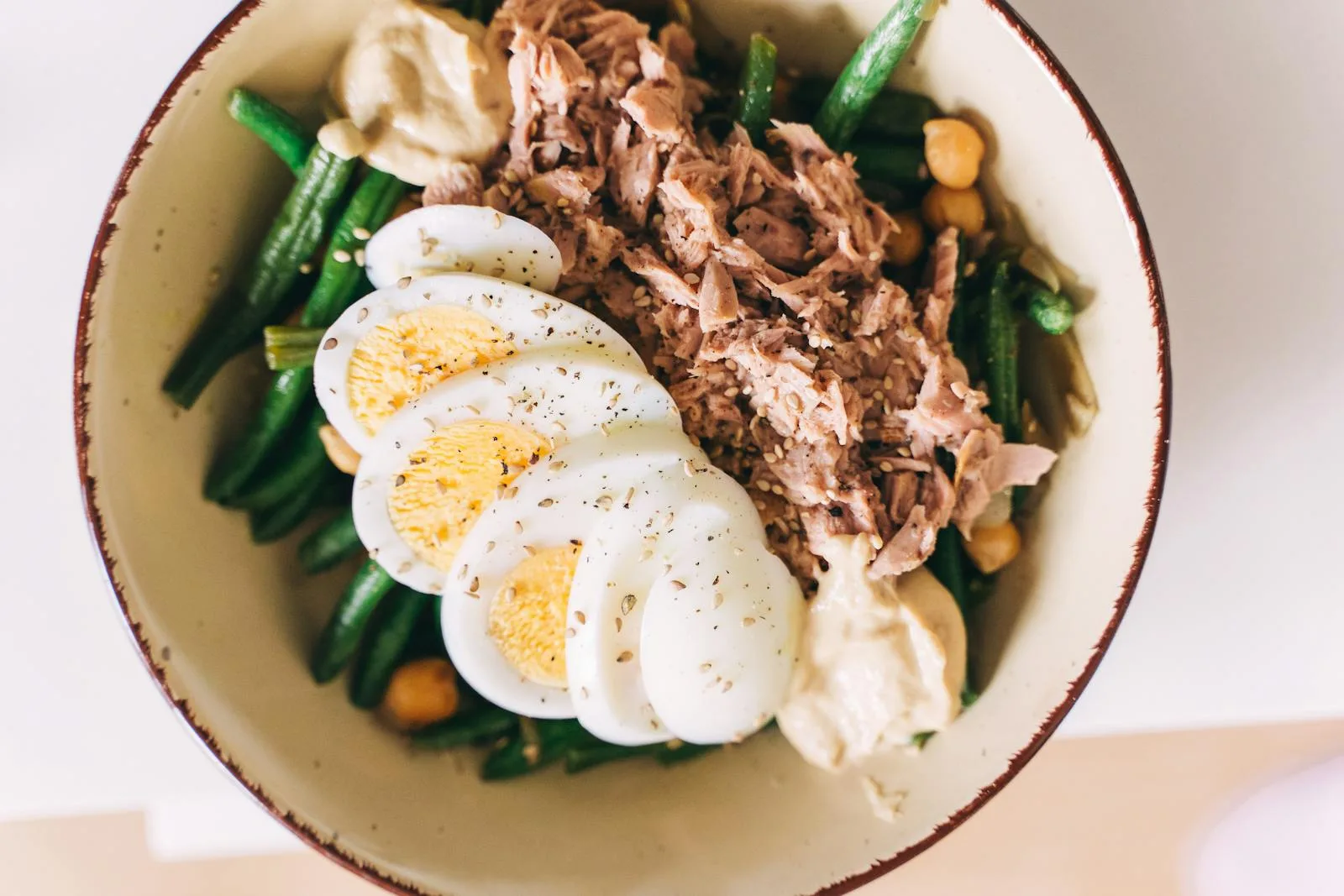
- A protein bowl with eggs, tuna, chickpeas, and veg (basically a fridge-raid plate)
Protein shakes are convenient but not magic. If you can eat real food within an hour of finishing, you don’t need them. If you’re rushing to work or can’t face solid food straight after running, a shake with 20-25g of protein is a fine stopgap. MyProtein Impact Whey is about £20 per kg from Amazon UK and is perfectly adequate.
Don’t forget to rehydrate too. Weigh yourself before and after your run — for every kilogram lost, drink about 1.5 litres over the next few hours. Add an electrolyte tab if the run was long or hot.
Building Your Nutrition & Hydration UK Kit List
You don’t need to buy everything at once. Build up based on how far you’re running:
For 5K-10K runners (just starting out):
- Water before and after — that’s basically it
- A banana before morning runs
- Normal balanced meals throughout the day
For half marathon training:
- Electrolyte tabs (High5 Zero or SiS Hydro — about £7-8 per tube)
- A box of energy gels to test in training (SiS Go Isotonic variety pack, about £15 for 15)
- A handheld bottle or running belt
- Post-run protein source (doesn’t need to be a supplement — real food works)
For marathon and beyond:
- Hydration vest with soft flasks
- Reliable gel or chew strategy tested over multiple long runs
- Electrolyte drink for during and after
- Caffeine gels for the second half (SiS Go + Caffeine, about £1.40 each)
- Recovery shake for convenience on heavy training weeks
A tip that saves money: Decathlon’s Aptonia range is solid for gels and electrolytes at roughly half the price of brand-name options. Worth trying before you commit to the pricier stuff.
Common Mistakes to Avoid
Overdrinking. Hyponatraemia (dangerously low sodium from drinking too much water) is rare but real, especially in slower marathon runners who drink at every station. Drink to thirst, not to a rigid schedule.
Skipping breakfast before long runs. “I’ll be fine” is what everyone says until they bonk at mile 7. Even something small makes a difference.
Trying new nutrition on race day. That new gel flavour your mate recommended? Test it on a training run. Your stomach might disagree violently, and discovering this at mile 18 of a marathon is not ideal.
Ignoring everyday diet. All the gels and electrolytes in the world won’t compensate for a diet of takeaways and skipped meals. Your baseline nutrition matters more than race-day supplements. Eat enough carbohydrates on the days before long runs, get your protein in daily, and eat a variety of fruit and veg. Boring advice, but it works.
Relying solely on sports drinks for daily hydration. Those are for during and after exercise. Day-to-day, water and normal drinks are all you need.
Frequently Asked Questions
How much water should I drink before a run? Aim for about 400-500ml of water in the 2 hours before running. Don’t chug a litre right before you head out — you’ll spend the first mile looking for a bush. Sip steadily and you’ll be well-hydrated without feeling waterlogged.
Are energy gels bad for you? No, but they’re not a food group either. They’re concentrated carbohydrate designed for during exercise, and they do that job well. Some people get stomach issues — usually from taking them without enough water or trying too many at once. Start with half a gel during training and build up.
Do I need electrolyte tablets for a 5K? Probably not. For a 5K (20-30 minutes of running for most people), your existing hydration and electrolyte levels are plenty. Save them for runs over an hour or when it’s particularly warm.
What should I eat the night before a long run? A carb-heavy meal that you know your stomach handles well. Pasta with a simple sauce, risotto, or rice with chicken are all classics. Nothing too spicy, too fatty, or too fibrous. And go easy on the alcohol — even a couple of pints noticeably affects your hydration the next morning.
Is it better to use gels or real food during a marathon? Gels are more convenient and faster-acting, but some runners find them hard on the stomach over 3+ hours. Mixing gels with real food (jelly babies, dates, rice cakes) is a popular approach. Test in training and use whatever your gut handles best.
The Bottom Line
Getting your running nutrition and hydration right doesn’t require a sports science degree or a monthly subscription to a gel delivery service. For shorter runs, water and a decent diet cover it. As your distances grow, add electrolytes and practise with gels on training runs so there are no surprises on race day. Invest in a way to carry fluids that suits you, eat real food for recovery, and don’t overcomplicate it. The basics work — they just need to be done consistently.