The Garmin Forerunner 55 is the best running watch under £150 for most UK runners. It prioritises pace, distance, workouts and physical button control rather than smartwatch extras, while the Polar Pacer offers the strongest training platform near the top of the budget. Choose an Amazfit or Huawei instead when a bright touchscreen, maps or everyday smartwatch features matter more than dedicated running tools.
Quick verdict
- Best overall: Garmin Forerunner 55 — button-led running tools.
- Best for training analysis: Polar Pacer — Polar Flow and training tools.
- Best for maps and AMOLED: Amazfit Active 2 — AMOLED display and free maps.
- Best lightweight smartwatch: Huawei Watch Fit 4 — 27g body and dual-band GNSS.
- Best value: Amazfit Bip 6 — large AMOLED and downloadable maps.
- Best cheap GPS band: Huawei Band 11 Pro — slim band with built-in GPS.
Availability changes, so confirm the exact variant is still available before ordering.
In this guide
- Compare all six watches
- Read the individual reviews
- Choose the right features
- Understand GPS, heart rate and battery
- Read the FAQs
Running watches under £150 compared
| Watch | Best for | Battery claim | Main compromise |
|---|---|---|---|
| Garmin Forerunner 55 | Best overall | 20 hours GPS / 14 days smartwatch | Older MIP display and no onboard maps |
| Polar Pacer | Best for training analysis | Up to 35 hours training / 7 days watch | Simple display rather than AMOLED |
| Amazfit Active 2 | Best for maps and AMOLED | Up to 10 days quoted | Touchscreen-first controls and lighter running analysis |
| Huawei Watch Fit 4 | Best lightweight smartwatch | Up to 10 days / 7 days typical | Lifestyle-led software and limited physical controls |
| Amazfit Bip 6 | Best value | Up to 14 days quoted | Large case and less specialist training depth |
| Huawei Band 11 Pro | Best cheap GPS band | Huawei claims up to 14 days maximum, 8 days typical or 32 hours with GPS | Small screen and fewer mid-run data fields |
The Garmin and Polar are the strongest choices for runners who want training structure and button control. Amazfit provides the most screen and map functionality for the money; Huawei offers a lighter everyday design. None should be chosen from the battery headline alone because GPS, display settings, calls and notifications change real-world endurance.
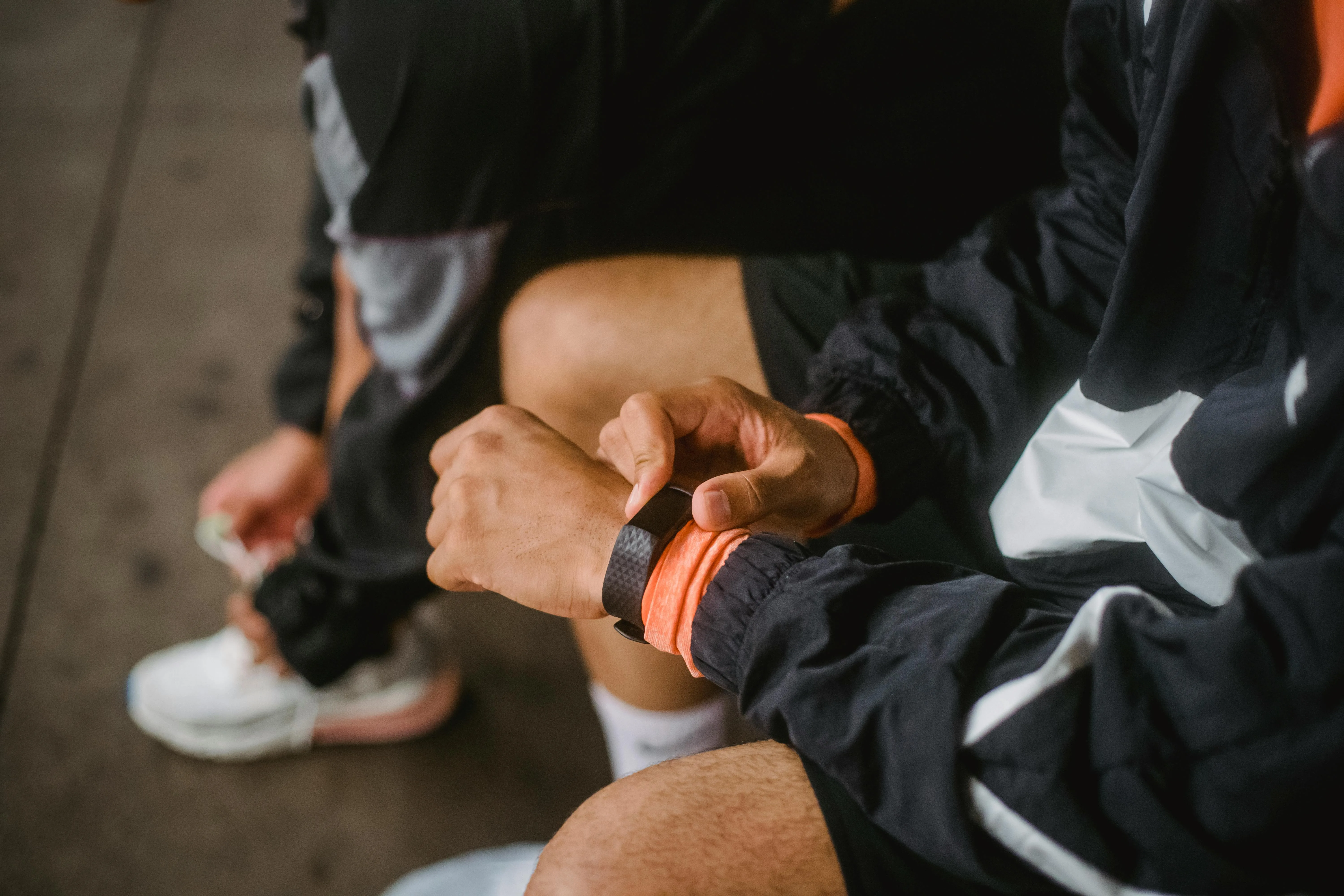
Best running watches under £150 reviewed
1. Garmin Forerunner 55 — Best overall

- Standout: Button-led running tools.
- Published battery: 20 hours GPS / 14 days smartwatch.
The Forerunner 55 remains the safest recommendation because its priorities match running: reliable physical buttons, built-in GPS, suggested workouts, pace alerts, recovery guidance and a mature Garmin Connect ecosystem. Garmin publishes up to 20 hours in GPS mode and up to 14 days in smartwatch mode, though those figures depend on use.
The transflective display is easy to read outdoors but looks less vivid than AMOLED. There are no offline maps, music storage or touchscreen controls. Those omissions are acceptable if you want a training tool rather than a miniature phone.
Buy it if: you want clear running data, dependable button control and a well-established app. Skip it if: you want maps, music storage or a bright AMOLED display. Main compromise: an older-looking screen and limited smartwatch polish.
2. Polar Pacer — Best for training analysis

- Standout: Polar Flow and training tools.
- Published battery: Up to 35 hours training / 7 days watch.
Polar Pacer is the better choice for runners who will use structured plans and post-run analysis. Polar Flow supports training load, running programmes, tests, sleep and recovery tools. Polar specifies a 40g total weight, WR50 resistance and up to 35 hours in training mode with GPS and wrist heart rate.
Its always-on MIP screen favours daylight readability and battery efficiency over vivid colour. Navigation is limited to functions such as Back to Start rather than full onboard mapping. Its feature set remains more running-focused than smartwatch-led.
Buy it if: you value Polar Flow, training structure and long GPS endurance. Skip it if: you want a touchscreen, maps or broad smartwatch apps. Main compromise: plain hardware and limited smartwatch polish.
3. Amazfit Active 2 — Best for maps and AMOLED

- Standout: AMOLED display and free maps.
- Published battery: Up to 10 days quoted.
Amazfit Active 2 delivers the most modern screen-and-map package here. The validated variant includes GPS, free maps, NFC and a bright AMOLED display, making it useful for runners who want navigation and daily smartwatch features without crossing £150.
Maps on a budget smartwatch should not be confused with the navigation depth of premium outdoor watches. Touch interaction can also be less convenient in rain or gloves. Its health and coaching scores are estimates, not medical or laboratory measurements.
Buy it if: you want AMOLED, maps and everyday smartwatch features. Skip it if: physical controls and deep running analysis matter more than display quality. Main compromise: less mature training analysis than Garmin or Polar.
4. Huawei Watch Fit 4 — Best lightweight smartwatch

- Standout: 27g body and dual-band GNSS.
- Published battery: Up to 10 days / 7 days typical.
Huawei Watch Fit 4 is the lightest watch-shaped option in the shortlist. Huawei specifies a body weight of about 27g without the strap, a 1.82-inch AMOLED display, dual-band GNSS and two physical controls alongside touch input. It quotes seven days of typical use and ten days maximum.
Its software is broader fitness and lifestyle tracking rather than a specialist running environment. Confirm that Huawei Health works with your phone and that activities export to the services you use. The exact NFC support also varies by version.
Buy it if: dual-band GNSS and a lightweight design matter most. Skip it if: you need a dedicated running platform or extensive sensor pairing. Main compromise: less specialist training depth and export flexibility.
5. Amazfit Bip 6 — Best value

- Standout: Large AMOLED and downloadable maps.
- Published battery: Up to 14 days quoted.
Amazfit Bip 6 is the value leader. It combines built-in multi-system GPS, a 1.97-inch AMOLED display and downloadable maps in a comparatively affordable package. That makes it a strong first watch for easy runs, parkrun and general activity tracking.
The 46mm rectangular case is sizeable, and the quoted 14-day battery figure assumes a defined usage pattern rather than daily long GPS sessions. It also lacks the training ecosystem and button-led interface of the Garmin and Polar.
Buy it if: you want the most screen and map functionality for the least money. Skip it if: you have a small wrist or want serious workout controls. Main compromise: large case and consumer-smartwatch training tools.
6. Huawei Band 11 Pro — Best cheap GPS band

- Standout: Slim band with built-in GPS.
- Manufacturer battery claims: Up to 14 days maximum, 8 days typical or 32 hours with GPS.
Huawei Band 11 Pro is the cheapest exact option with built-in GPS found in the current check. Its narrow format suits runners who dislike a bulky watch and mainly need route, time, pace and general activity records. Huawei claims up to 14 days of maximum battery life, eight days under typical use and up to 32 hours with GPS.
A band-sized screen limits how much data you can read while moving, and touch controls are awkward with wet fingers. Its 1.62-inch AMOLED display favours a slim fit over the larger mid-run data fields available on a full-sized watch.
Buy it if: you want inexpensive phone-free route recording in a slim format. Skip it if: you need large data fields, maps or structured workouts. Main compromise: a small display with less room for mid-run data.
How to choose a running watch under £150
Buttons or touchscreen
Physical buttons remain easier during intervals, rain and winter gloves. Touchscreens make maps and menus feel more modern but can demand more attention mid-run. If you regularly record laps manually, prioritise dedicated buttons over display polish.
Choose the platform, not just the watch
Garmin Connect and Polar Flow are established training environments. Amazfit Zepp and Huawei Health cover fitness, recovery and everyday tracking, but exports and third-party links differ. Check your preferred service before buying, particularly if you already have years of data.
Check screen size and wrist fit
A large AMOLED screen is readable and attractive, but a large case can shift on a narrow wrist. Movement affects comfort and can disrupt optical heart-rate readings. Measure your wrist and compare case dimensions rather than judging from product photography.
Maps, routes or Back to Start
Offline maps can help on unfamiliar paths, but not every map watch offers the same routing. Some show a detailed base map, some follow a line, and others only point back to the start. For road running on familiar routes, reliable pace and lap controls may matter more.

GPS, heart rate and battery expectations
Built-in GPS records a route without borrowing location from a phone. Accuracy still changes around tall buildings, tree cover and sharp turns. Wait for satellite lock before starting and compare several runs rather than treating one route trace as proof. Our GPS watch accuracy guide explains the common sources of distance error.
Wrist optical heart rate is convenient for steady running but can lag during intervals and struggle with cold skin, tattoos, loose fit or arm movement. Wear the watch snugly above the wrist bone. If precise zones drive your sessions, compare a compatible chest strap using our optical versus chest-strap guide.
Published battery figures use defined test conditions. Always-on display, frequent GPS, maps, notifications and calls shorten them. Garmin’s official Forerunner 55 manual lists up to 20 hours in GPS mode, Polar lists up to 35 hours with GPS and wrist heart rate, and Huawei lists seven days typical for the Watch Fit 4. See our running-watch battery guide before comparing headline numbers.
When spending more is worthwhile
Move above £150 when you need music storage, multi-band navigation on a specialist sports platform, stronger structured-workout controls, triathlon support or deeper recovery analysis. The Garmin Forerunner 165 belongs in the next tier and was not forced into this shortlist.
Compare our running watches under £200 guide before paying the full £150. Beginners who want fewer metrics should also read the GPS watches for beginner runners guide.
The bottom line
Buy the Garmin Forerunner 55 for the best overall running experience under £150. Pick Polar Pacer for training analysis, Amazfit Active 2 for maps and AMOLED, Huawei Watch Fit 4 for low weight, Bip 6 for value, or Band 11 Pro for the smallest spend. Confirm current availability and app compatibility before ordering.
Frequently Asked Questions
What is the best running watch under £150?
The Garmin Forerunner 55 is the best all-round choice for dedicated running controls, GPS and an established training platform.
Is the Polar Pacer better than the Garmin Forerunner 55?
Choose Polar Pacer for Polar Flow and longer published training-mode battery; choose Garmin for simpler controls and the Garmin Connect ecosystem.
Can a running watch work without a phone?
Yes. All six selected products have built-in location tracking, although syncing, maps, notifications and some setup functions still use a phone.
Do cheap running watches measure heart rate accurately?
They provide useful trends, but readings vary with fit, skin, temperature and movement. A compatible chest strap is preferable for precise interval work.
Are running watches waterproof?
Check the exact manufacturer rating and permitted activities. Water resistance is not permanent and does not make every watch suitable for diving or high-pressure water.
Should I buy a watch with maps?
Maps help on unfamiliar routes, but runners on known roads may benefit more from reliable pace screens, buttons and training tools.