You’re three miles into a morning run, your favourite podcast is hitting the good bit, and a cyclist whips past from behind — no bell, no warning, and you didn’t hear a thing because your earbuds sealed out the world. It’s happened to all of us. Choosing the right running headphones is about more than just sound quality; it’s about staying aware of traffic — something RoSPA’s pedestrian safety guidance emphasises, hearing your running partner, and not losing an earbud every time you wipe sweat off your face.
Three brands dominate the UK running headphone market right now: Shokz (bone conduction specialists), JLab (budget-friendly workout earbuds), and Jabra (premium true wireless). They approach the problem from completely different angles, and the best pick depends entirely on how and where you run.
Quick Verdict: Which Running Headphones Should You Buy?
Shokz OpenRun Pro 2 is the best choice for outdoor road runners who need situational awareness. You hear everything around you while still getting surprisingly decent audio. JLab Go Air Sport wins on value — a cracking pair of workout earbuds for about £30 that punch well above their price. Jabra Elite 8 Active is the premium pick for runners who want audiophile-level sound with military-grade durability and don’t mind spending for it.
How Each Brand Approaches Running Audio
Before comparing specific models, it helps to understand why these three brands are so different.
Shokz uses bone conduction technology. The headphones sit in front of your ears, not inside them, and transmit sound through your cheekbones. Your ear canals stay completely open. This means you hear traffic, other runners, dogs, and everything else alongside your music. The trade-off is that audio quality — particularly bass — can’t match traditional earbuds. But for outdoor running, that awareness is worth the compromise.
JLab focuses on affordable true wireless earbuds designed for exercise. They use silicone ear hooks for stability, have decent IP ratings for sweat resistance, and offer surprisingly good sound for the price. JLab isn’t trying to compete with premium audio brands — they’re making reliable workout earbuds that won’t ruin your day if you lose one down a drain grate.
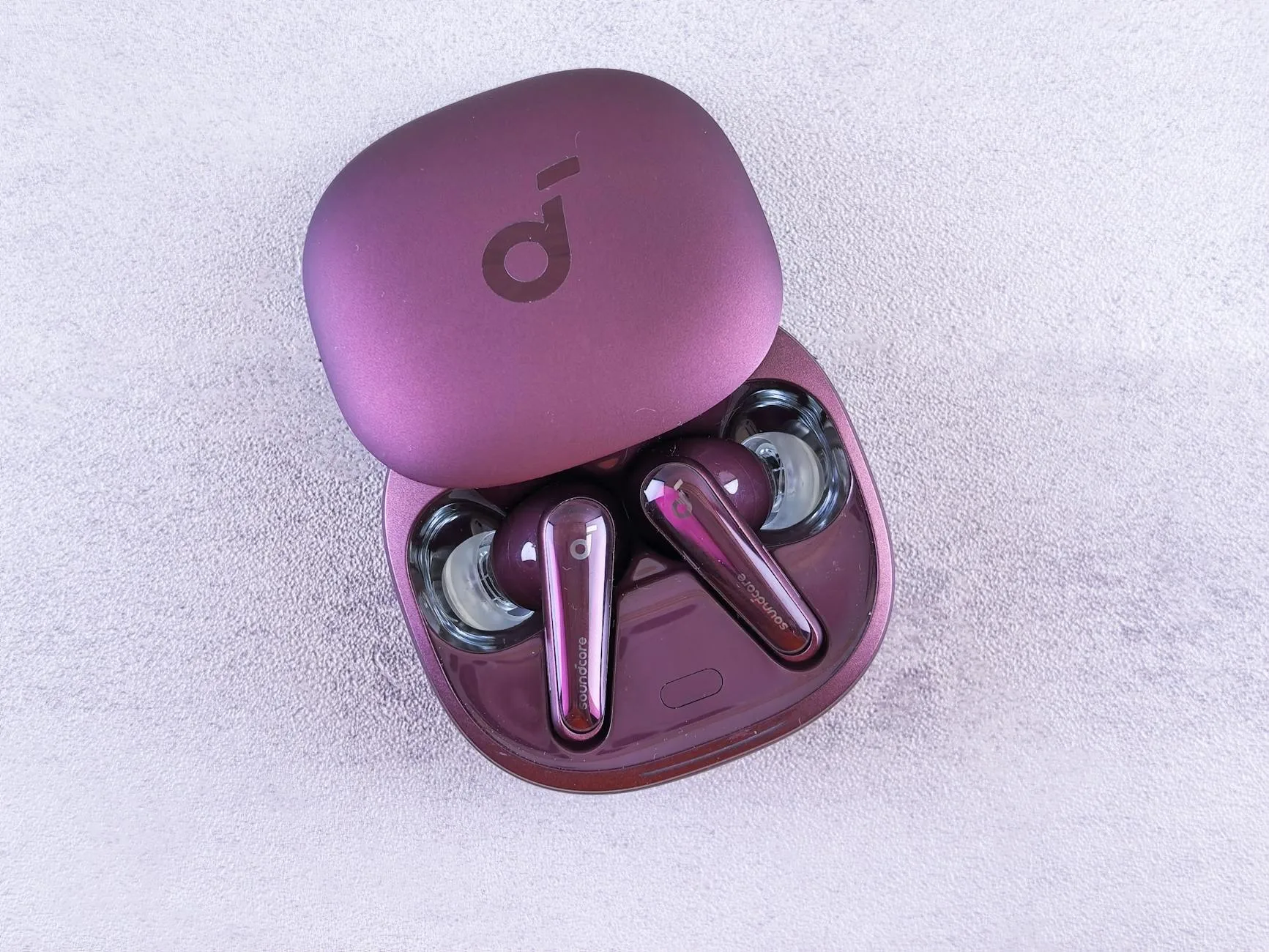
Jabra sits at the premium end with true wireless earbuds built for active use. The Elite Active range features ANC (active noise cancellation), HearThrough mode (which lets ambient sound in digitally), and some of the best call quality in any sports earbud. They’re built like tanks and sound exceptional. The price reflects all of that.

Comfort and Fit During Runs
Nothing matters if the headphones won’t stay put at mile six.
Shokz OpenRun Pro 2 — about £160
The wraparound neckband design locks these in place. They don’t move. Not during sprints, hill reps, or that awkward moment when you trip over a kerb and flail your arms. At 28g they’re barely noticeable, and because nothing goes in your ears, there’s zero ear fatigue even on two-hour long runs. The slight pressure on your cheekbones takes a run or two to forget about, but after that it’s completely natural. If you’re training for longer distances, our complete beginner’s running guide covers building up comfortably.
JLab Go Air Sport — about £30
The ear hooks wrap over the top of your ear and hold the buds firmly. They’re comfortable for runs up to about an hour — beyond that, some people find the hooks create a slight pressure point. The silicone tips come in multiple sizes, so spend five minutes finding the right fit before your first run. At this price, the comfort-to-value ratio is outstanding.
Jabra Elite 8 Active — about £200
Jabra uses their ShakeGrip coating — a slightly tacky texture that grips the inside of your ear. No ear hooks, no wings, just the earbud sitting securely in your ear canal. They’re remarkably stable once you find the right tip size, though people with smaller ear canals sometimes struggle with the fit. At 5g per earbud, you genuinely forget they’re there. The IP68 rating means sweat, rain, and even a dropped-in-puddle incident won’t kill them.
Sound Quality Breakdown
Let’s be honest about where each set shines and falls short.
Shokz — bass is the obvious weakness. Bone conduction physics mean you’ll never get the chest-thumping low end of in-ear drivers. But Shokz has improved massively with the Pro 2 — mids are clear, vocals sound excellent for podcasts and audiobooks, and the enhanced bass mode adds enough low-end presence for most running playlists. You won’t be doing critical listening, but for keeping your pace and staying motivated, it works well. Where Shokz struggles: noisy environments like busy high streets or windy hilltops drown out the audio because your ears are open.
JLab — impressive for £30. The sound signature leans warm with boosted bass, which suits high-energy workout playlists. Vocals are clear enough for podcasts. The EQ can be toggled through three presets using the earbud buttons (JLab Signature, Balanced, Bass Boost). There’s no custom EQ at this price, but the presets cover most preferences. Detail retrieval and soundstage won’t trouble premium earbuds, but you’d need to spend five times more to hear the difference during a run. For independent guidance, check Runner’s World gear guidance.
Jabra — this is where you hear the £200 price tag earning its keep. Rich, detailed sound with punchy bass, clear mids, and crisp highs. The Jabra Sound+ app lets you customise EQ in detail, and the spatial audio feature adds an impressive sense of depth. ANC blocks out wind noise and traffic when you want isolation, while HearThrough mode pipes in ambient sound digitally — clever, though not as natural as Shokz’s always-open design. For gym sessions, treadmill runs, and indoor workouts, Jabra’s audio quality is in a different league.
Safety and Awareness for Outdoor Running
This is the category that should matter most to road runners.
Shokz wins by design. Your ears are completely open — you hear cars, cyclists, other runners, dogs, and everything else as clearly as if you weren’t wearing headphones. There’s no “awareness mode” to toggle because awareness is the default. For anyone running on roads, paths shared with cyclists, or in areas with traffic, this is a genuine safety advantage.
JLab — standard in-ear buds with passive noise isolation. You’ll hear very little of the outside world with music playing. There’s no transparency or ambient mode at this price point. Running on quiet country lanes might be fine, but busy urban routes require extra caution. Consider leaving one bud out if you need to hear traffic. If you’re pairing headphones with a GPS watch, our guide to choosing a GPS running watch covers what features to look for.
Jabra — the HearThrough mode is good, but it’s digitally processed ambient sound, which means there’s a tiny delay and the audio has a slightly artificial quality. It’s miles better than nothing, and useful for hearing approaching vehicles, but it’s not the same as Shokz’s natural open-ear experience. ANC is actively dangerous for road running — only use it on a treadmill or running track.
Durability and Weather Resistance
UK running means rain. Lots of rain. Your headphones need to handle it.
Shokz OpenRun Pro 2 — IP55
Protected against sweat and light rain, but not submersion. A typical British drizzle is fine; getting caught in a downpour won’t kill them. The titanium neckband is flexible and tough — I’ve sat on mine twice and they bounced back without issue. Not designed for swimming or wearing in the shower.
JLab Go Air Sport — IP55
Same IP55 rating as Shokz. Sweat and splash proof but not waterproof. Given the £30 price, the durability is impressive. The plastic build is light but feels adequate. If you do manage to kill a pair running in heavy rain, replacing them doesn’t sting financially.
Jabra Elite 8 Active — IP68
The most robust of the three by a significant margin. IP68 means dust-tight and submersible to 1.5 metres. You could drop these in a puddle, fish them out, and keep running. Jabra also rates them to MIL-STD-810H (military standard) for shock, vibration, and temperature extremes. For UK runners who train through every weather condition, this durability is reassuring.
Battery Life Compared
Long runs and ultramarathon training demand serious battery endurance.
- Shokz OpenRun Pro 2 — 12 hours continuous playback. A five-minute quick charge gives you 1.5 hours. No charging case — they charge via a magnetic cable. That 12-hour figure is accurate in real use with bone conduction.
- JLab Go Air Sport — 8 hours per charge, with an additional 24 hours from the charging case. More than enough for most runners, and the case is small enough for a running vest pocket.
- Jabra Elite 8 Active — 8 hours per charge (6 with ANC on), plus 24 hours from the case. Wireless charging supported on the case, which is a nice touch.
For ultra distances, Shokz has the edge — 12 hours without a case means you can run all day without worrying. For everyday training, all three are more than adequate. When you’re out on longer runs, getting your nutrition and hydration strategy right matters just as much as your gear.
Price and Value Assessment
Headphones for running take a beating. Value means balancing performance against replacement cost.
- JLab Go Air Sport — about £30 — Absurd value. If you’re not sure whether you want running headphones, start here. You’ll get 80% of the performance of headphones costing six times more. Available at Argos, Amazon UK, and Currys.
- Shokz OpenRun Pro 2 — about £160 — Premium price for bone conduction, but the safety advantage for outdoor runners justifies it. Available at Amazon UK, John Lewis, and specialist running shops. There’s a non-Pro Shokz OpenRun at about £80 if you want bone conduction on a tighter budget.
- Jabra Elite 8 Active — about £200 — Top-tier audio and durability at a top-tier price. Worth it for runners who also want daily-driver earbuds for commuting and calls. Available at Amazon UK, Currys, and John Lewis.
Connectivity and Smart Features
Quick rundown of the tech features that actually matter mid-run.
Shokz — Bluetooth 5.3, multipoint connection (two devices simultaneously), quick charge. No app required — the headphones just work. Physical buttons for volume, play/pause, and the voice assistant. Simple and effective. No ANC, no EQ customisation, no fancy features. Some runners prefer this no-fuss approach.
JLab — Bluetooth 5.1, touch controls on each earbud, built-in EQ presets (toggle by tapping). No companion app. Dual Connect means each bud works independently as a mono earbud — useful if you want to run with one ear open. Microphone quality is basic but functional for calls.
Jabra — Bluetooth 5.3, multipoint, Jabra Sound+ app with detailed EQ, spatial audio, ANC adjustment, and HearThrough customisation. Spotify Tap for instant playback. Google Fast Pair. The most feature-rich of the three by far. Call quality is exceptional — some of the best in any true wireless earbud. If you’re looking for running shoes to match your new headphones, our tested guide to the best running shoes covers the top picks.
Which Running Headphones Suit Which Runner?
Choose Shokz OpenRun Pro 2 if:
- You run outdoors on roads, mixed-use paths, or in urban areas
- Situational awareness and safety are your top priority
- You want lightweight headphones that stay put through any workout
- You mainly listen to podcasts, audiobooks, or playlists as background motivation
- You hate the feeling of earbuds in your ears
Choose JLab Go Air Sport if:
- You want reliable running earbuds without spending much
- You’re new to running and want to try headphones before investing more — check our best running watches under £100 for more budget-friendly kit
- Sound quality is good enough at this price for your needs
- You don’t mind in-ear earbuds with passive isolation
- You want a backup pair for muddy trail runs where losing a bud is a real risk
Choose Jabra Elite 8 Active if:
- Audio quality matters as much as exercise performance
- You want one pair of earbuds for running, commuting, and calls
- Durability is paramount — you run in all weather conditions
- You use ANC for gym and treadmill sessions
- Budget isn’t your primary constraint
Frequently Asked Questions
Are bone conduction headphones safe for running on roads?
Bone conduction headphones like Shokz are the safest option for road running because your ears stay completely open. You can hear traffic, cyclists, and other hazards exactly as you would without any headphones. This is their biggest advantage over traditional earbuds, and the main reason many running clubs recommend them.
Can I use Jabra running earbuds in heavy rain?
The Jabra Elite 8 Active has an IP68 rating, meaning they’re fully dust-tight and can survive submersion in 1.5 metres of water. Heavy rain won’t cause any issues. Shokz and JLab at IP55 handle light rain and sweat but aren’t rated for heavy downpours or submersion.
How long do running headphones last before needing replacement?
With proper care, quality running headphones typically last 2-3 years of regular training use. Sweat and moisture are the biggest killers — always dry your headphones after a sweaty session. Budget earbuds like JLab may need replacing sooner (12-18 months) simply due to cheaper components, though at £30 that’s still excellent value per mile.
Do JLab earbuds fall out during fast running?
The Go Air Sport model uses ear hooks that wrap over the top of your ear, keeping the buds secure during sprints, intervals, and hill reps. They’re notably more stable than earbuds without hooks. Getting the right silicone tip size is essential — spend a few minutes testing all the included sizes before your first run.
Which running headphones have the best microphone for calls?
Jabra Elite 8 Active has the best call quality of the three, using six microphones with wind-noise protection. They’re clear enough for work calls straight after a run. Shokz performs adequately for short calls. JLab’s microphone is basic — fine for a quick call but not ideal for anything important.
The Bottom Line
For outdoor road runners in the UK, Shokz OpenRun Pro 2 is the headphone to buy. The open-ear safety advantage alone justifies the price, and the comfort during long runs is unbeatable. You sacrifice some audio quality, but that’s a trade-off most runners should make happily.
JLab Go Air Sport is the smart buy for beginners, casual runners, and anyone who wants decent workout earbuds without worrying about the cost. At £30, you could buy six pairs for the price of one Jabra.
Jabra Elite 8 Active earns its premium for runners who split time between outdoor training, gym sessions, and daily commuting. The sound quality and build are superb — just remember to use HearThrough mode, never ANC, when running near traffic.
Pick the pair that matches how you actually run, not the pair with the best spec sheet. Your ears — and your safety — will thank you.