The best carbon plate running shoes in the UK depend first on your foot and your race, not a promised number of minutes saved. For a road-race shoe with a clear all-round brief, start with the Saucony Endorphin Pro 4. Its full carbon plate, dual-foam midsole and rolling geometry make it a sensible first model to try for distances from 10K to marathon.
The New Balance FuelCell SuperComp Elite v4 is an alternative for a marathon-focused buyer who prefers its PEBA-based cushioning and Energy Arc geometry. ASICS Metaspeed Sky Tokyo is the more specialised stride-style racer; Puma Deviate Nitro Elite 3 gives shorter-race buyers another carbon-plated option. These are research-led comparisons, not shoes we have wear-tested. None can guarantee a personal best, and no brand’s fit can be inferred from another brand’s size chart.
In This Article
- Quick answer
- Shoes at a glance
- Four carbon-plated shoes
- Choose by fit and race
- What the evidence means
- Before race day
- Final verdict
- Frequently asked questions
Best Carbon Plate Running Shoes UK: Quick Answer
Try the Endorphin Pro 4 first if you want one dedicated road-racing pair and its fit works for you. Saucony specifies a full-length carbon plate above PWRRUN HG and PWRRUN PB foam. That makes its construction easy to distinguish from ordinary training shoes and from nylon-plated shoes often grouped into the same category. It is still a race shoe, not a reason to discard comfortable daily trainers.
Move to the New Balance if its upper and underfoot feel suit your marathon training better; choose the ASICS Sky Tokyo if you have tried a firm, specialist race fit and its stride-style design suits you. The Puma is a further 5K/10K candidate. Fit is a real filter, not a footnote.
Carbon Plate Running Shoes at a Glance
These are four different choices rather than four claimed stopwatch rankings.
Each button opens a selected variant. Choose your own size and check its current availability, seller and returns before ordering.
| Shoe | Best starting point | Plate / design |
|---|---|---|
| Saucony Endorphin Pro 4 | One versatile race-day pair | Full carbon plate, dual foam, Speedroll |
| New Balance SC Elite v4 | Marathon-focused buyer prioritising cushioning | Carbon Energy Arc and PEBA-based FuelCell |
| ASICS Metaspeed Sky Tokyo | Runner seeking a specialist stride-style racer | High-position carbon plate and FF LEAP foam |
| Puma Deviate Nitro Elite 3 | Another lightweight road-race candidate | Carbon PWRPLATE and NITROFOAM Elite |

Four Carbon-Plated Road Shoes to Consider
1. Saucony Endorphin Pro 4 — Best Overall Starting Point
Saucony combines PWRRUN HG and PWRRUN PB foams with a full carbon plate and its Speedroll rocker. That is a coherent race-day package for a runner who wants one model to consider across common road-race distances. The brand positions it for racing, and the upper’s integrated tongue and heel liner are intended to improve step-in comfort. Those design choices do not establish that it will be fastest or most comfortable on your foot.
Take the shoe for a short controlled run and a race-pace session before a target event. Its value is in a versatile race brief, not in any guaranteed pace gain.

2. New Balance FuelCell SuperComp Elite v4 — Marathon-Focused Alternative
New Balance specifies a carbon-fibre Energy Arc plate with a PEBA-based FuelCell midsole. This is the model to compare when your main event is a half or full marathon and you want to assess a cushioned race platform against the Saucony. The Energy Arc combines the plate shape with voids in the midsole; that is a design description, not proof that one runner will save more energy than in another shoe.
Try the fit with the socks you plan to race in and make sure the toe box remains comfortable after a longer run. A race shoe that feels awkward or rubs is not rescued by its specifications.

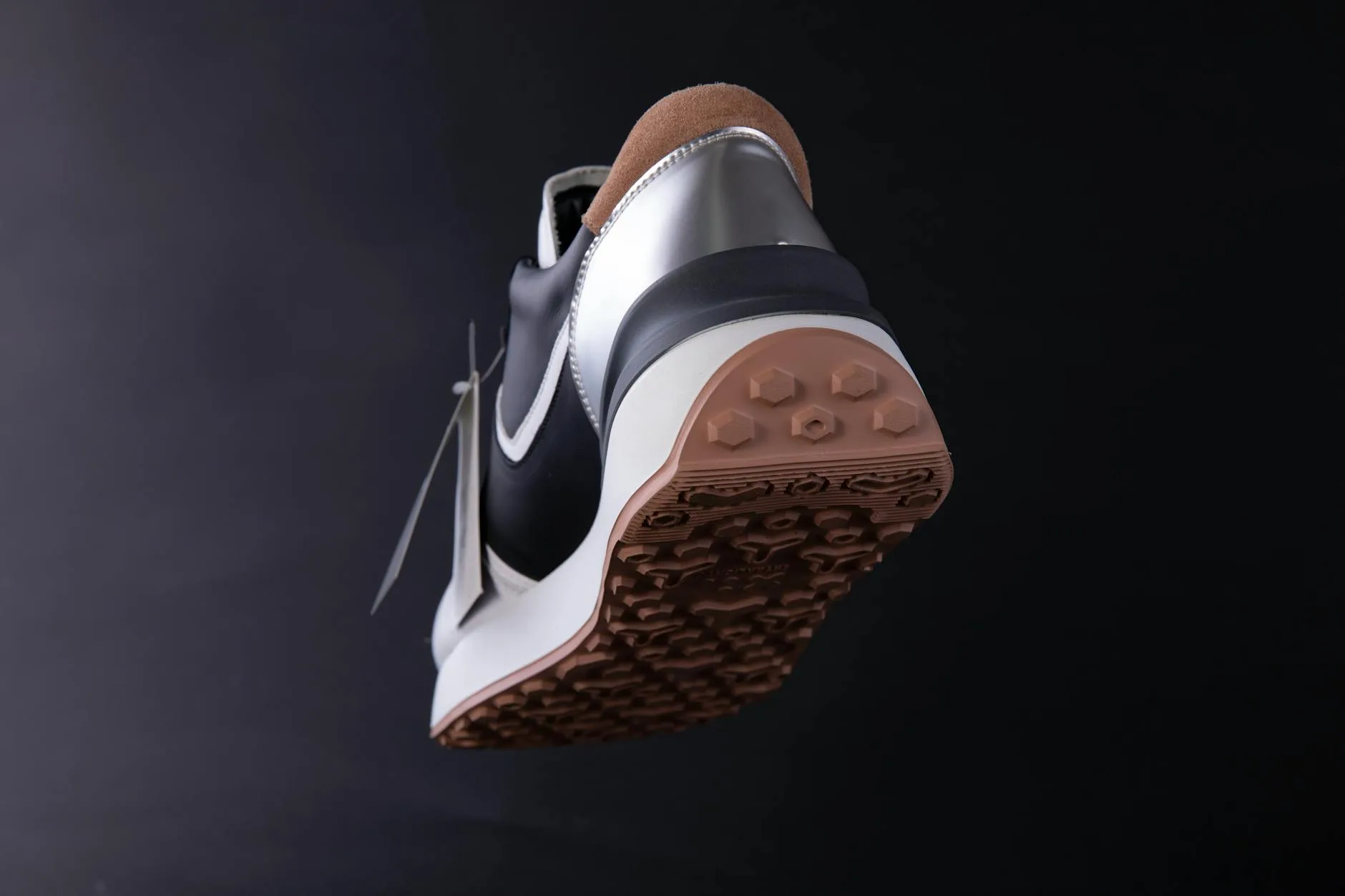
3. ASICS Metaspeed Sky Tokyo — Specialist Stride-Style Racer
ASICS positions the Sky Tokyo for runners who tend to increase speed through longer strides. It uses FF LEAP and FF TURBO PLUS foams with a higher-positioned carbon plate. The distinction from the Metaspeed Edge Tokyo is important: they are not interchangeable colourways. ASICS describes a different plate position and intended running style for each.
Treat that intended style as a way to decide what to try, not as a self-diagnosis or a performance promise. This is the least forgiving choice to buy unseen for a first marathon merely because it sounds technically advanced.

4. Puma Deviate Nitro Elite 3 — Another Lightweight Race Option
Puma specifies a carbon-fibre PWRPLATE with NITROFOAM Elite cushioning. That gives a shorter-road-race buyer a different upper and geometry to compare with Saucony or New Balance. It is a genuine carbon-plated racing model, not the regular Deviate Nitro training shoe with a similar name.
Prioritise a secure heel and enough forefoot room over a headline weight or review average; neither predicts how this shoe will feel at 10K pace.

Choose by Fit, Race and Training Use
Start with the event and your existing shoe fit. For a first plated pair, a comfortable 10K-to-marathon racer that you can test in your own size is a better purchase than a more specialised model bought blind. For shorter road events, lighter race shoes can appeal; over a marathon, toe room, heel hold and comfort after an hour matter at least as much as foam names. None of the four is a trail shoe.
Plated racers are not automatically the best daily trainers. Keep a regular pair for easy miles and use the race pair for selected faster sessions and the event. Our guides to choosing running shoes for your gait and running-shoe brand differences help narrow fit questions. If you are preparing for a long race, choosing a GPS running watch and race-fuel options cover separate parts of the plan.
What Carbon-Plate Research Does—and Does Not—Show
A systematic review of carbon-plated running shoes found an average reduction in metabolic demand in the studied conditions. That is a group result about running economy, not a fixed percentage off a 10K or marathon time. The shoe is a system of foam, plate, geometry and fit; individual responses and comparison shoes vary.
For an individual runner, a lab average cannot be converted into minutes saved in a race: fit, pacing, training and conditions all matter. Nor does a model name establish a fixed lifespan, a universal calf-load effect or a guaranteed gain at any pace. Judge a shoe by its fit and your own training experience, not a promised personal best. Replace a pair when the upper, outsole or ride is no longer sound; our guide to recognising worn running shoes explains the practical signs.
Before You Wear a New Pair on Race Day
- Confirm the exact variant: the linked colour and size are not a general model-wide stock guarantee. Check the seller, size chart and return terms.
- Test comfort: do a short run, then a session near planned race pace, watching for rubbing or instability.
- Use the right surface: these are road racers; choose a suitable trail shoe for rough ground.
- Check event rules if relevant: elite and regulated competitions can require a listed approved shoe and have sole-thickness rules.
World Athletics maintains the current approved-shoe information and regulations. Do not assume that every model, prototype or competition category is automatically permitted. For most recreational runners, comfort and preparation are the immediate issues; for a regulated event, check its current rules and the exact shoe model.
Which Carbon Plate Running Shoe Should You Buy?
The Saucony Endorphin Pro 4 is the best all-round starting point to try for a dedicated road-race shoe. New Balance SC Elite v4 is the marathon-focused alternative if its fit and cushioning suit you better. ASICS Metaspeed Sky Tokyo is for someone who wants its specialist stride-style geometry and can test it first. Puma Deviate Nitro Elite 3 adds another genuine carbon-plated race option if its fit works for you. The right shoe is the one that fits your foot and race plan—not the one with the biggest claimed time saving.
Frequently Asked Questions
How much faster will carbon plate shoes make me?
There is no reliable personal time saving to quote. Studies report average running-economy differences under controlled conditions, but your fit, pace, course, training and response to a particular shoe all matter.
Are carbon plate shoes suitable for a first marathon?
They can be, if the pair fits securely and you have used it comfortably in training. Do not make race day the first run in a new plated shoe.
Should I train every day in carbon plate race shoes?
Usually keep a comfortable daily trainer for easy mileage and use the race pair for selected faster sessions and events. Follow your own comfort and the shoe maker’s intended use.
How should I choose the correct size?
Use the exact model’s size chart, check the width and toe room, and test with your usual running socks. A linked colour or size does not establish that another variant has the same stock or seller terms.
Can I race in any carbon plate shoe?
Check the event rules if your competition regulates footwear. World Athletics publishes shoe regulations and approved-model information; a carbon plate alone does not prove compliance for every event.