You’ve just finished a ten-mile run, you’re standing in the kitchen dripping sweat onto the tiles, and you’re staring at the cupboard wondering whether you need a protein shake, a chicken breast, or just a big bowl of pasta. The fitness industry says you need protein immediately after exercise or your muscles will waste away. Running forums say endurance athletes don’t need much protein at all. Your mate who does CrossFit says he eats 200g a day and you should too.
None of them are entirely right. Runners need more protein than sedentary people, but less than the bodybuilding industry would have you believe. The amount depends on your training volume, your goals, and whether you’re trying to maintain muscle, recover faster, or lose weight while training. Here’s what the evidence actually says — and how to hit the numbers without turning every meal into a protein optimisation project.
In This Article
- Why Runners Need Protein
- How Much Protein Do Runners Actually Need
- Protein Timing: Does It Matter
- The Anabolic Window Myth
- Best Protein Sources for Runners
- Protein Shakes and Supplements: Are They Worth It
- Protein for Different Running Goals
- Protein and Weight Loss for Runners
- Plant-Based Protein for Runners
- Can You Eat Too Much Protein
- A Sample Day of Eating for a Runner
- Frequently Asked Questions
Why Runners Need Protein
Running doesn’t build muscle the way weightlifting does, but it does damage muscle fibres. Every footstrike generates impact forces of 2-3 times your body weight. Over the course of a 10K run (roughly 6,000-8,000 footstrikes), that accumulated microtrauma means your muscles need repair. Protein provides the amino acids that make that repair happen.
Muscle Repair vs Muscle Building
Strength athletes need protein to build new muscle tissue — to get bigger and stronger. Runners need protein primarily to repair existing muscle and maintain what they have. This is an important distinction because it changes the amount you need. You don’t need bodybuilder levels of protein to keep your running muscles healthy; you need enough to keep up with the repair demand created by your training.
The Endurance Athlete’s Protein Problem
Long-distance running burns through stored carbohydrate (glycogen) quickly. Once glycogen runs low, the body starts using other fuel sources — including amino acids from muscle protein. This process, called gluconeogenesis, means that during very long runs (90+ minutes), your body literally cannibalises its own muscle for energy. Adequate protein intake before and after long runs helps limit this muscle breakdown and speeds recovery.
How Much Protein Do Runners Actually Need
The Official Guidelines
The UK government’s Reference Nutrient Intake (RNI) for protein is 0.75g per kilogram of body weight per day. For a 70kg person, that’s about 53g of protein — roughly two chicken breasts. This is the minimum to prevent deficiency in a sedentary person. It’s nowhere near enough for regular runners.
What the Sports Science Says
The British Nutrition Foundation and most sports nutrition research recommends:
- Recreational runners (3-4 runs/week, under 30 miles) — 1.2-1.4g per kg body weight per day. For a 70kg runner, that’s 84-98g
- Serious runners (5-6 runs/week, 30-50 miles) — 1.4-1.6g per kg. For a 70kg runner, that’s 98-112g
- Marathon/ultra training (50+ miles/week) — 1.6-1.8g per kg. For a 70kg runner, that’s 112-126g
- Runners also doing strength training — 1.6-2.0g per kg. For a 70kg runner, that’s 112-140g
Putting Those Numbers in Perspective
A 70kg recreational runner needs about 90g of protein per day. That’s roughly:
- A three-egg omelette at breakfast (about 18g)
- A chicken and avocado wrap at lunch (about 30g)
- Greek yoghurt with berries as a snack (about 15g)
- A salmon fillet with rice and vegetables at dinner (about 30g)
That’s not difficult to hit with normal food. Most people eating a balanced diet with protein at each meal already get close to 1.2g/kg without thinking about it. The runners who fall short are typically those who skip meals, eat carb-heavy/protein-light diets, or rely heavily on snacks and processed foods for their calories.
Protein Timing: Does It Matter
The short answer: a bit, but much less than the supplement industry wants you to believe.
Distribution Matters More Than Timing
Eating 30g of protein four times across the day is more effective for muscle repair than eating 120g in one meal. Your body can only use about 25-40g of protein per meal for muscle protein synthesis — any excess gets used for energy or stored. Spacing your protein intake across meals ensures a steady supply of amino acids for repair throughout the day.
The Post-Run Window
There IS a benefit to eating protein within 2-3 hours after a hard run — it kickstarts the repair process at the point when your muscles need it most. But this window is much wider than the “30-minute anabolic window” that the supplement industry promotes. If you run at 7am and eat breakfast at 8:30am, you’re fine. You don’t need to chug a protein shake in the car park.
Before a Long Run
Eating a protein-containing meal 2-3 hours before a long run (90+ minutes) provides amino acids that help protect against muscle breakdown during the run. This doesn’t need to be a protein-heavy meal — a normal breakfast with eggs, or porridge with milk and nuts, provides enough. Don’t eat a steak and then try to run — protein is slow to digest and a heavy protein meal will sit in your stomach for miles.
The Anabolic Window Myth
The idea that you must consume protein within 30 minutes of exercise or “miss the window” for muscle repair is one of the most persistent myths in sports nutrition. It originated from bodybuilding research conducted on fasted subjects (people who hadn’t eaten for 12+ hours before training). In that specific scenario, yes, eating soon after exercise matters because the body has no circulating amino acids.
But runners who eat normal meals throughout the day — which is everyone reading this — already have amino acids circulating from their previous meal. The urgency of immediate post-exercise protein is low. A 2013 meta-analysis in the Journal of the International Society of Sports Nutrition found that total daily protein intake matters far more than timing for muscle recovery.
When Timing Does Matter
The exception is if you’re training twice in one day (morning and evening runs). In that case, eating 20-30g of protein soon after the morning session helps recovery before the second session. For single-session runners, timing is a minor factor at best. For a related angle, see our Waterproof Running Jackets: What to Look For guide.
Best Protein Sources for Runners
Not all protein sources are equal for runners. You want complete proteins (containing all essential amino acids), lean sources (to avoid excess saturated fat), and options that are easy to digest around training.
Everyday Protein Sources
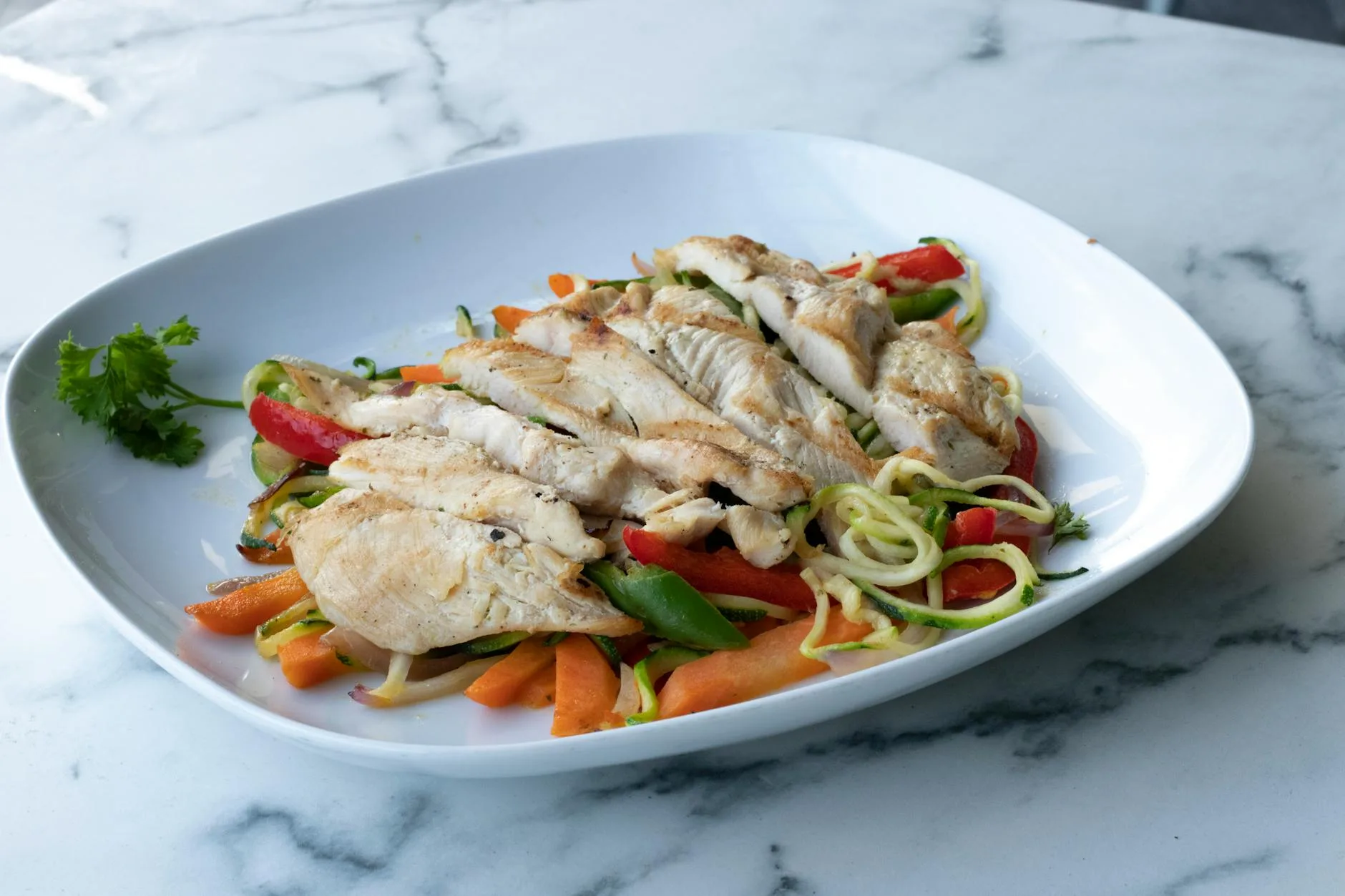
- Chicken breast — 31g per 100g. The classic lean protein. Versatile, cheap, available everywhere. A 150g chicken breast gives you 46g of protein
- Greek yoghurt — 10g per 100g. Excellent as a snack with fruit. Fage Total 0% is the most protein-dense at about 10g per 100g. Available from any supermarket
- Eggs — 6g per egg. Cheap, quick, and contain leucine (the amino acid most important for muscle repair). Three eggs on toast is an ideal post-run breakfast
- Salmon — 20g per 100g. Also provides omega-3 fatty acids which reduce inflammation from training. A 150g fillet gives you 30g of protein
- Cottage cheese — 11g per 100g. Slow-digesting casein protein makes it a good evening snack. Pairs well with fruit or on toast
- Tinned tuna — 25g per 100g. Cheap and convenient. A tin on a jacket potato is a solid recovery meal. Limit to 2-3 tins per week due to mercury content
- Lean beef mince — 21g per 100g. Iron-rich, which matters for runners (iron supports oxygen transport). Bolognese, chilli, or meatballs are all practical ways to eat it
Quick Post-Run Options
If you need something fast after a run and can’t sit down to a proper meal:
- Chocolate milk — 500ml of semi-skimmed has about 17g of protein plus carbs for glycogen replenishment. Research from multiple universities has shown chocolate milk performs as well as commercial recovery drinks
- Peanut butter on toast — about 12g for two slices with a tablespoon of peanut butter. Quick, satisfying, and combines protein with carbs
- A pint of whole milk — 19g of protein. The simplest recovery drink there is
Protein Shakes and Supplements: Are They Worth It
When They Make Sense
Protein shakes are a convenience product, not a performance product. They’re useful when:
- You can’t eat real food — immediately after an early morning run when your appetite is suppressed, a shake is easier to stomach than chicken
- You’re consistently falling short — if you track your intake and regularly miss your target despite trying with food, a shake fills the gap
- You’re travelling — a scoop of protein powder in a shaker is easier to pack than a meal. Useful for race weekends away from home
When They Don’t
If you eat three meals a day with protein at each meal and a protein-containing snack, you almost surely don’t need a supplement. Whole food provides fibre, micronutrients, and other compounds that protein powder doesn’t. A chicken breast is better than a protein shake in every way except convenience.
If You Do Buy Protein Powder
Whey protein is the most effective and best-studied option. Look for whey protein concentrate or isolate with at least 20g of protein per serving and minimal added sugar. MyProtein Impact Whey is the best value option in the UK (about £15-20 per kg on sale). For a more complete running nutrition strategy, protein supplements are just one small piece of the puzzle. Our Base Layers for Winter Running guide is useful alongside this.
Protein for Different Running Goals
5K and 10K Racing
Recovery demands are moderate. Stick to 1.2-1.4g/kg and focus on protein distribution across meals. The training distances are short enough that muscle protein breakdown during runs is minimal. Your main concern is general recovery between training sessions.
Half Marathon and Marathon Training
Recovery demands increase with the long run. Weekly long runs of 15-22 miles cause more muscle damage than any other session in the week. Aim for 1.4-1.6g/kg, and pay particular attention to protein intake on long run days — eat a protein-rich meal within 2-3 hours post-run, and prioritise protein at dinner to support overnight repair. Our marathon nutrition plan covers fuelling in more detail.
Ultra Running
The demands are extreme. Ultra-distance runners experience muscle damage comparable to a car crash (measured by creatine kinase levels in the blood). Protein needs jump to 1.6-1.8g/kg, and some ultra runners benefit from consuming small amounts of protein during the event itself — protein-containing real food like cheese sandwiches and nut butter wraps rather than pure-carbohydrate gels.
Running for Weight Loss
Protein becomes even more important when you’re in a calorie deficit. Your body breaks down both fat and muscle when losing weight, but higher protein intake (1.6-2.0g/kg) protects muscle mass. This matters for runners because losing muscle reduces running economy — you become less efficient and slower. The best approach is a moderate calorie deficit (300-500 calories below maintenance) with protein prioritised at every meal.
Protein and Weight Loss for Runners
Why Protein Helps You Lose Weight
Protein is the most satiating macronutrient — it keeps you fuller for longer than carbs or fat at the same calorie count. For runners trying to lose weight, this is powerful: you feel less hungry, eat less overall, and protect your running muscles from breakdown. A protein-rich breakfast (eggs, Greek yoghurt, or a protein smoothie) reduces total calorie intake throughout the day compared to a carb-heavy breakfast like toast and jam.
The Muscle-Sparing Effect
When you reduce calories, your body looks for energy wherever it can find it. Without adequate protein, it takes from muscle as well as fat. A runner losing weight on a low-protein diet might see the scale drop, but they’re losing running muscle along with fat — getting lighter but also slower. Maintaining protein at 1.6-2.0g/kg while in a deficit tells your body “keep the muscle, burn the fat.” We cover a similar decision in Best Running Watches for Marathon Training 2026.
Practical Application
If you’re a 70kg runner trying to lose weight, aim for about 120g of protein per day (roughly 1.7g/kg). This feels like a lot, but it’s achievable:
- Breakfast: Greek yoghurt with granola and seeds (20g)
- Mid-morning: Apple with 30g almonds (6g)
- Lunch: Tuna salad with chickpeas (35g)
- Post-run snack: Chocolate milk 500ml (17g)
- Dinner: Chicken stir-fry with vegetables and rice (40g)
- Evening: Cottage cheese with honey (12g)
That’s 130g from normal food, no supplements needed.
Plant-Based Protein for Runners
Plant proteins are less protein-dense than animal sources and most are incomplete (missing one or more essential amino acids). This doesn’t mean plant-based runners can’t get enough protein — it just means they need to eat more volume and combine sources.
Best Plant Protein Sources
- Tofu — 8g per 100g. Complete protein. Firm tofu works in stir-fries; silken tofu blends into smoothies
- Tempeh — 19g per 100g. Higher protein than tofu, with a nuttier flavour. Excellent in stir-fries and grain bowls
- Lentils — 9g per 100g (cooked). Also high in iron and fibre. Red lentils cook fast and work in curries, soups, and bolognese
- Chickpeas — 7g per 100g (cooked). Versatile in salads, curries, and roasted as a snack
- Edamame — 11g per 100g. Complete protein. Good as a snack or in grain bowls
- Seitan — 25g per 100g. The highest-protein plant option. Made from wheat gluten — not suitable for coeliac runners
- Quinoa — 4g per 100g (cooked). Complete protein but relatively low. Best as a carb source that happens to contribute some protein
The Combination Principle
Plant-based runners should combine protein sources throughout the day to cover all essential amino acids. Grains + legumes is the classic combination (rice and lentils, toast and hummus, pasta and chickpeas). You don’t need to combine them at every meal — as long as you eat a variety across the day, your body pools the amino acids.
Supplementation for Plant-Based Runners
Plant-based runners benefit most from protein supplements because hitting 1.4-1.6g/kg from plants alone requires eating large volumes. A pea protein or soy protein isolate shake after hard runs fills the gap efficiently. Check that it contains added leucine (the key amino acid for muscle repair) — some plant proteins are low in leucine.
Can You Eat Too Much Protein
The Short Answer
For healthy runners with normal kidney function, no — not at the levels we’re discussing (1.2-2.0g/kg). The persistent myth that high protein intake damages kidneys comes from research on people with pre-existing kidney disease, not healthy athletes. Multiple long-term studies on athletes consuming 2.0g/kg+ have found no adverse kidney effects.
The Practical Ceiling
There IS a practical ceiling: eating much more than 2.0g/kg doesn’t provide additional muscle-repair benefits. Your body can only use so much protein for repair — the excess gets converted to energy (at 4 calories per gram) or, if you’re already in a calorie surplus, stored as fat. Protein is the most expensive macronutrient per calorie, so overeating it wastes money more than anything else.
When to Be Cautious
If you have a history of kidney problems or kidney stones, consult your GP before substantially increasing protein intake. For everyone else, the protein levels recommended for runners (1.2-1.8g/kg) are well within safe limits.

A Sample Day of Eating for a Runner
This is for a 70kg runner doing about 40 miles a week, targeting roughly 100g of protein (1.4g/kg).
Breakfast (7am, pre-run): Porridge with semi-skimmed milk, a tablespoon of peanut butter, and a sliced banana. Protein: 14g.
Post-run snack (9am): Two eggs on toast with a glass of orange juice. Protein: 18g.
Lunch (12:30pm): Chicken and halloumi wrap with mixed salad and hummus. Protein: 35g.
Afternoon snack (3:30pm): Greek yoghurt with a handful of mixed nuts. Protein: 15g.
Dinner (7pm): Salmon fillet with new potatoes, green beans, and a lemon dressing. Protein: 28g.
Daily total: approximately 110g — comfortably above the 100g target without a single supplement.
The key is protein at every eating occasion, not cramming it all into dinner. Spread it out, eat real food, and you’ll hit the numbers without thinking too hard about it.
Frequently Asked Questions
Do I need protein immediately after running? No — the “30-minute anabolic window” is largely a myth for runners who eat regular meals. Aim to eat a protein-containing meal within 2-3 hours of finishing a hard run. For easy runs, just eat your next normal meal. The total amount of protein you eat across the day matters far more than when you eat it.
Is whey protein better than other types for runners? Whey protein is absorbed faster and contains more leucine than most alternatives, making it slightly better for immediate post-exercise recovery. But the difference is small. Casein, egg, soy, and pea proteins all work well. Choose based on dietary preference, taste, and digestion rather than obsessing over small differences in absorption speed.
How much protein is in a chicken breast? A typical 150g chicken breast contains about 46g of protein. Chicken breast is one of the most protein-dense common foods at roughly 31g of protein per 100g. It’s lean, cheap, and versatile — which is why it’s the go-to recommendation for almost every sports nutritionist.
Can plant-based runners get enough protein? Yes, but it requires more planning. Plant proteins are less protein-dense and often incomplete, so plant-based runners need to eat more volume and combine sources (grains + legumes). Supplementing with a pea or soy protein shake after hard sessions helps fill gaps. Aim for the same 1.2-1.6g/kg targets as omnivorous runners.
Does protein help with running recovery? Yes. Protein provides the amino acids needed to repair muscle damage caused by running. Adequate protein intake (1.2-1.6g/kg per day) reduces delayed-onset muscle soreness, speeds muscle repair between sessions, and helps maintain muscle mass during periods of high-volume training.