You’ve spent £140 on running shoes, downloaded a training plan, and laced up for your first proper run — only to peel off your socks afterwards and find a blister the size of a 10p coin on your heel. The culprit isn’t the shoes. It’s the cotton socks you grabbed from a multipack in Primark.
Running socks are one of those things nobody thinks about until something goes wrong. A cheap pair won’t ruin your first kilometre, but it’ll make the last five miserable. The right pair sits between your foot and the road, managing moisture, reducing friction, and keeping everything where it should be. This running socks guide breaks down what actually matters when choosing a pair — no jargon, no overthinking it, just what works.
Why Running Socks Are Different From Normal Socks
Your everyday cotton socks are designed to keep your feet warm and look vaguely presentable in shoes. That’s about it. Running socks have a completely different job.
The biggest difference is moisture management. Cotton absorbs sweat and holds onto it — your feet end up sitting in a damp, warm environment that’s perfect for blisters. Running socks use synthetic fibres (typically nylon, polyester, or polypropylene) or merino wool that wick moisture away from the skin and towards the outer surface, where it can evaporate. After a 10K in cotton socks, your feet feel like they’ve been in a paddling pool. In a decent running sock, they’re still dry.
Then there’s the fit. A regular sock bunches, slides, and wrinkles inside your shoe. Running socks are shaped to the foot — many are anatomically designed with a left and right — and use compression zones to keep the fabric locked in place. That means no creasing under the ball of your foot, which is where most friction blisters start.
They’re also reinforced in the areas that take the most punishment: the heel, the toe box, and the ball of the foot. Some have light padding in these zones, others stay minimal. Either way, the construction is targeted rather than uniform.
I used to think socks were socks. After switching from a cotton five-pack to a proper pair of running socks for a half-marathon, the difference was immediate — no hot spots, no blisters, and my feet felt noticeably drier at the finish. It’s one of those small upgrades that makes you wonder why you waited so long.
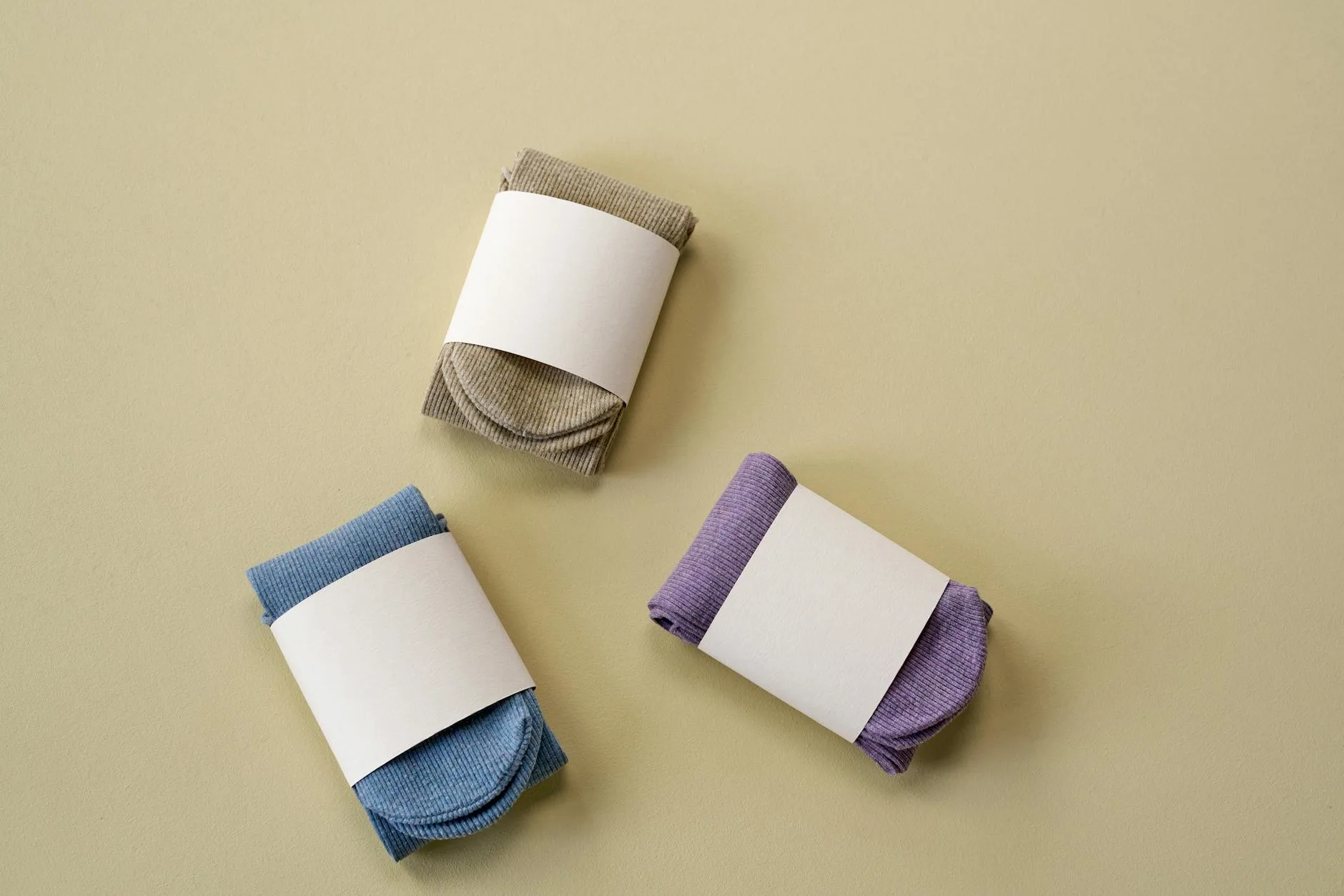
The Materials That Actually Matter
Not all running sock fabrics are created equal, and the label on the packet doesn’t always tell the full story.
- Merino wool — the gold standard for temperature regulation. It keeps feet warm in winter and cool in summer, naturally resists odour, and wicks moisture brilliantly. It’s also softer than you’d expect — nothing like the scratchy wool socks your nan knitted. Brands like Smartwool and Darn Tough use superfine merino that feels almost silky. The downside: merino socks cost more (£12-18 per pair) and dry slower than synthetics.
- Nylon and polyester blends — the workhorses of running socks. They dry quickly, hold their shape after dozens of washes, and cost less than merino. Most socks from Balega, Stance, and Nike use these as the primary fibre. They don’t manage odour as well as wool — you’ll want to wash them after every run.
- Polypropylene — ultra-lightweight and hydrophobic, meaning it doesn’t absorb water at all. Some liner socks use this for blister prevention in a double-layer system. Not common as a primary material.
- Coolmax — a branded polyester engineered for moisture wicking. You’ll see it in mid-range running socks from various brands. It works well and typically sits in the £8-12 price range.
- Cotton — avoid it. Full stop. Even a “cotton-rich blend” with 60% cotton will hold moisture and increase blister risk. If the label says cotton, put them back on the shelf.
- Elastane (Lycra) — usually 2-5% of the blend. This is what gives the sock its stretch and recovery, keeping it snug around the arch and ankle without sliding down.
The sweet spot for most runners is a nylon-polyester blend with a touch of elastane for everyday training, and merino for longer runs, races, or cold weather outings. You don’t need to overthink the exact percentages — just make sure cotton isn’t in the mix.
Cushioning: How Much Do You Actually Need?
This is where personal preference plays a bigger role than any expert advice. Some runners love a thick, cushioned sock that feels like running on a cloud. Others want to feel every contour of the road through a paper-thin liner. Neither is wrong.
- Ultra-thin / no-show — minimal padding, maximum ground feel. Good for racing, speed work, or runners who prefer a close connection with their shoes. These are the socks you’ll see on track athletes and parkrun regulars who’ve been at it for years.
- Light cushion — a thin layer of padding under the heel and ball of the foot. This is the sweet spot for most recreational runners. Enough protection to absorb some impact without making the shoe feel tight or overly warm.
- Medium cushion — noticeably padded throughout the sole. Better for longer distances, trail running on rocky terrain, or runners who’ve had issues with bruised feet. The trade-off is more bulk and slightly more warmth.
- Heavy cushion — thick padding all round. These are rare in running (more common in hiking), but some runners with joint issues or those training on hard pavements prefer them. They can make your shoes feel half a size smaller, so factor that in.
If you’re buying your first pair of proper running socks, start with a light cushion. It’s the most versatile option and works for everything from a 5K parkrun to a Sunday long run. You can always go thinner or thicker once you know what suits your feet.
One thing worth mentioning: cushioning affects how your shoe fits. If you’ve been fitted for running shoes in thin socks and then switch to a heavily cushioned pair, the shoe will feel tighter. Always try shoes and socks together if possible — places like Runners Need and Up & Running let you test combinations in store.
Getting the Right Fit
A running sock that’s too big will bunch and cause blisters. Too small and it’ll compress your toes or slide off the heel. Most brands size their socks by shoe size (UK 6-8, 9-11, etc.), but the ranges can be broad.
Here’s what to check:
- Heel cup alignment — the shaped heel pocket should sit right on your heel bone, not above or below it. If it drifts during a run, the size is wrong.
- Toe seam — run your finger along the inside. A flat or linked toe seam is far more comfortable than a bulky overlocked one. Some brands (Balega, Feetures) use invisible toe seams that you genuinely can’t feel. This matters more than you’d think — on a long run, a rough toe seam creates friction with every single step.
- Arch band — most running socks have a tighter band around the midfoot. It should feel snug without cutting in. This is what stops the sock rotating on your foot.
- No excess fabric — pull the sock on and wiggle your toes. There should be about 5mm of room at the tips, no more. Excess fabric in the toe box is a blister factory.
If you’re between sizes, go for the smaller option. Running socks are designed to fit close, and the elastane content means they’ll stretch to accommodate. A baggy running sock defeats the entire purpose.
Sock Height: From Invisible to Mid-Calf
The height of your running sock is partly functional, partly preference, and — let’s be honest — partly fashion.
- No-show / invisible — sits below the shoe line. Popular in summer and with runners who prefer a minimalist look. Less protection from shoe rubbing on the ankle, which can be an issue with some trail shoes.
- Ankle / tab — comes just above the shoe with a small tab protecting the Achilles area. This is the most popular height for road runners. The tab prevents the shoe collar from rubbing against bare skin, which is a surprisingly common source of irritation.
- Quarter / crew — rises to mid-calf or just below. Better for trail running (keeps debris out), cold weather running, and compression socks. Also popular with the retro running crowd who’ve brought tube socks back into fashion.
For road running in the UK, an ankle-height sock with a heel tab covers most situations. Trail runners should consider a quarter-height sock to keep gravel, mud, and twigs from sneaking in — anyone who’s done a winter trail run through the Chilterns knows exactly how annoying a pebble in your sock can be.
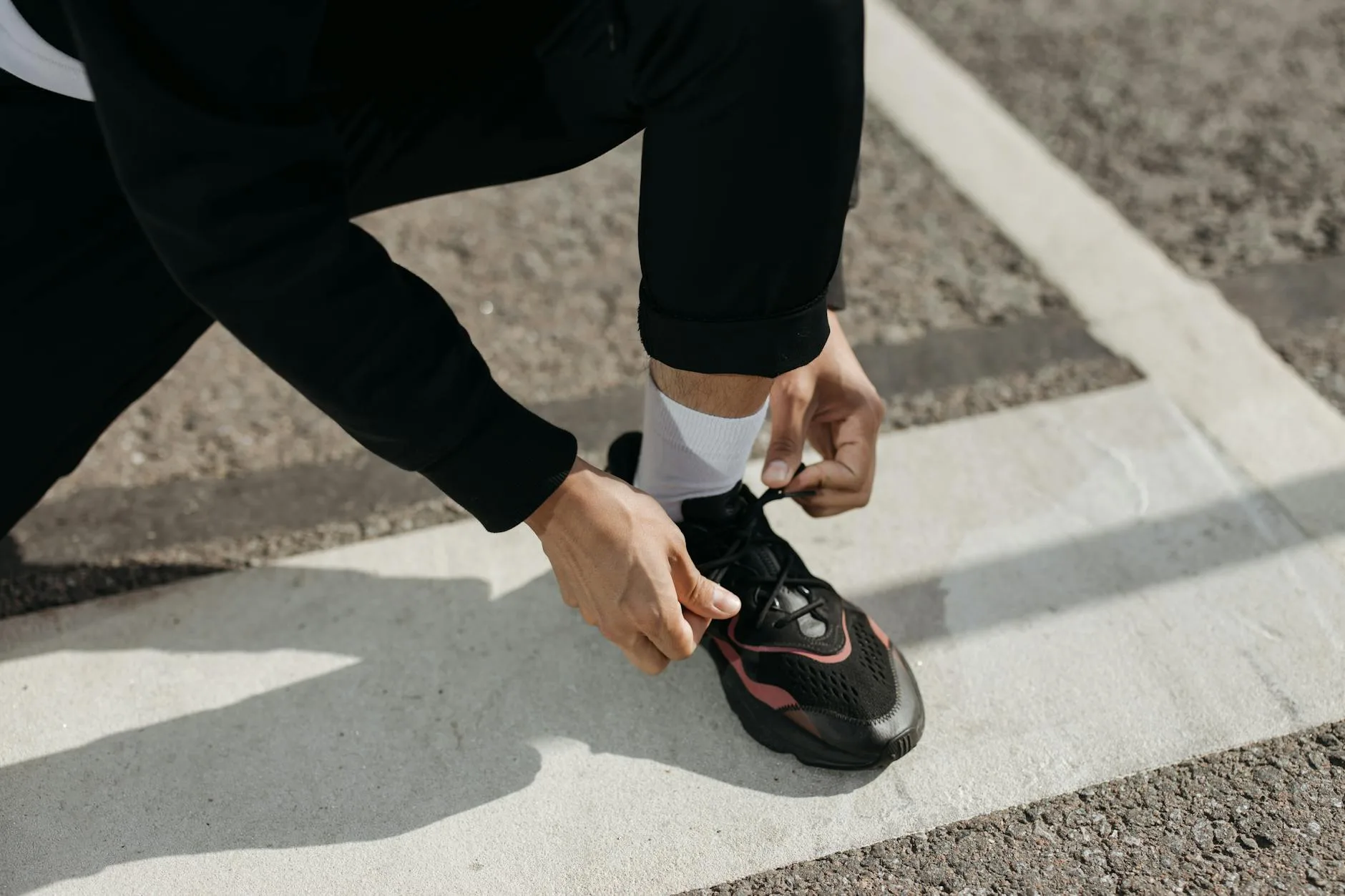
What to Spend and Where to Buy
Running socks range from about £5 to £18 per pair, which feels steep compared to a Primark multipack but makes sense when you consider the engineering involved.
- Budget (£5-8 per pair) — Decathlon’s Kiprun range is hard to beat at this price. The Kiprun Thin socks are about £5 and perform surprisingly well for shorter runs. Amazon UK also stocks 1000 Mile and Karrimor options in this range. These work perfectly for runners doing 2-3 runs per week under 10K.
- Mid-range (£9-13 per pair) — this is where most runners settle. Balega Hidden Comfort (around £12 from Runners Need or Amazon UK) are a cult favourite for a reason — the cushioning is spot-on and they last well over a year of regular use. Nike Spark Cushioned (about £10) are another solid choice. Stance also make excellent running socks in this bracket.
- Premium (£14-18 per pair) — Smartwool Run Targeted Cushion (about £16 from Cotswold Outdoor) and Darn Tough merino running socks (around £18) sit here. These are investment socks — Darn Tough literally offer a lifetime guarantee. If you’re running four or more times a week or training for a marathon, the durability pays for itself.
My recommendation: start with a pair of Balega Hidden Comfort. They suit the widest range of feet and running styles, they’re available everywhere, and they’ve survived more parkruns than I can count without losing their shape. If you find you want something thinner, try Kiprun Thin. If you want merino, go Darn Tough.
For trying before buying, Runners Need, Sweatshop, and Up & Running stores usually have staff who’ll help you match socks to your shoes. Decathlon has a good in-store range too, and it’s the best option if you want to keep costs down.
Looking After Your Running Socks
You’ve invested in decent socks — don’t ruin them in the first month.
- Wash after every run — bacteria thrive in damp fabric, and even merino socks will start smelling if left in a kit bag overnight
- Machine wash on 30°C — hot water degrades the elastane faster, which means the sock loses its stretch and starts sliding
- Skip the tumble dryer — hang them to dry. Heat shrinks synthetic fibres unevenly and can distort the heel cup
- Turn them inside out — this cleans the sweat-facing surface better and protects the outer finish
- Replace when the cushioning goes flat — most running socks last 500-800km of running, which works out to about 6-12 months depending on your mileage. When the padding underfoot feels thin and the elastic is loose, they’re done
A small thing that makes a big difference: keep your running socks separate from your everyday socks. Not for any scientific reason — just because you’ll always be able to grab a pair quickly before a run without rummaging through a drawer of office socks.
Common Mistakes to Avoid
After years of running and trying more sock brands than is probably reasonable, here are the errors I see most often:
- Wearing brand-new socks on race day — always test socks on a training run first. What feels fine in the shop can cause hot spots at mile eight.
- Doubling up with two pairs — this was old-school advice for blister prevention, but modern running socks handle moisture well enough that doubling up just adds bulk and heat. The exception is a dedicated liner-plus-outer sock system designed to work together (like 1000 Mile’s double-layer socks).
- Ignoring the toe seam — if your current socks have a raised seam across the toes and you’re getting blisters there, the seam is the problem. Switch to a flat-seam or seamless toe option before blaming your shoes.
- Buying one pair at a time — if you find a sock that works, buy three pairs. Brands discontinue models, prices change, and you’ll always have a fresh pair ready. Most retailers do multi-buy discounts — Balega packs of three are usually a few pounds cheaper per pair.
- Using compression socks as running socks — compression sleeves and recovery socks have their place, but they’re not built for the friction and moisture demands of actual running. Use proper running socks for the run, compression for recovery.
When Socks Alone Won’t Fix It
Sometimes blisters aren’t a sock problem. If you’ve switched to quality running socks and you’re still getting hot spots in the same places, consider:
- Shoe fit — shoes that are too narrow, too short, or laced too loosely cause friction that no sock can fully prevent. A proper gait analysis and fitting at a specialist shop is worth the time. Our guide to choosing the right running shoes covers what to look for in detail.
- Lacing technique — different lacing patterns can relieve pressure on specific parts of the foot. A “heel lock” lacing pattern prevents your foot sliding forward on downhills, reducing toe blisters.
- Anti-chafe products — a thin layer of Body Glide or even Vaseline on blister-prone areas adds another friction barrier. Runners doing half-marathon distance and above often carry a small stick of it.
- Foot care — keeping toenails trimmed and dealing with any fungal issues reduces the chance of socks catching or rubbing. The NHS guide to foot care for runners has solid advice on this.
If you’re training for something longer like a first 5K or half-marathon, getting your sock and shoe combination right early in the training plan saves a lot of pain later. Have a read of our Couch to 5K guide if you’re just starting out — it covers gear basics alongside the training itself.
The Bottom Line
Running socks aren’t glamorous kit. Nobody’s posting their sock haul on Instagram or debating cushion thickness at parkrun (well, almost nobody). But they’re the single cheapest upgrade that makes the biggest difference to comfort on a run.
Start with one good pair — Balega Hidden Comfort if you want a safe bet, Kiprun Thin if you’re watching the budget. Wear them on a few training runs. You’ll notice the difference within the first kilometre, and you won’t go back to cotton.
Your feet carry you every single step. The least you can do is give them something decent to wear.