Good running form is not about looking like an elite athlete on a slow-motion advert. This guide keeps posture, foot strike and arm swing practical: waste less energy, land with less braking force, and stay relaxed enough that your pace does not fall apart after twenty minutes.
In This Article
- The Quick Answer: Running Form, Posture, Foot Strike and Arm Swing
- Posture: Tall, Relaxed and Slightly Forward
- Foot Strike and Cadence: Stop Overthinking Heel vs Forefoot
- Arm Swing: The Quiet Fix for Wasted Effort
- Simple Drills to Improve Form Without Breaking Your Stride
- Shoes, Watches and Gait Analysis: What Is Worth Paying For
- Form Mistakes to Fix First
- Frequently Asked Questions
The Quick Answer: Running Form, Posture, Foot Strike and Arm Swing
Good running form usually looks quieter than people expect. Your head is up, shoulders are loose, elbows move back rather than across your body, feet land underneath you rather than miles ahead, and your stride feels quick but not frantic.
If you remember one phrase, use this: run tall, land close, relax your hands. That single cue fixes more recreational running-form problems than obsessing over heel strike, carbon shoes or a watch metric you do not fully trust.
The simple form checklist
Use this on an easy run, not during a hard interval session:
- Head: eyes forward, not staring at your shoes.
- Shoulders: low and loose, not hunched around your ears.
- Arms: elbows roughly 80-100 degrees, swinging back and forward.
- Torso: tall with a slight lean from the ankles, not folded at the waist.
- Feet: landing under your hips, not reaching out in front.
- Cadence: quick enough that you are not bounding, but not forced into a magic number.
This running form guide covers posture, foot strike and arm swing because those are the three places most runners can make useful changes without rebuilding their entire stride. It is not a replacement for our guides to breathing while running, running stretches or injury prevention. Those are separate jobs.
The NHS has a sensible beginner-friendly running hub if you are still building the habit and want general safety guidance alongside technique work: NHS running and aerobic exercise advice.
Posture: Tall, Relaxed and Slightly Forward
Posture is the easiest bit of running form to feel, but the hardest to keep when you get tired. Most runners do not suddenly fall apart because their foot strike changes; they fold at the waist, lift their shoulders, tighten their hands, then wonder why the same pace feels harder.
Start with your head and ribs
Look 10-20 metres ahead rather than straight down. You still need to see kerbs, tree roots and dogs on extendable leads, but your head should not drag your whole upper body forward.
Think about your ribs sitting over your hips. If your chest is puffed up like a parade-ground pose, you will feel stiff. If your ribs collapse towards your pelvis, your stride gets heavy. The useful middle is tall but soft.
Lean from the ankles, not the waist
A slight forward lean helps, but it should come from the ankles. Bending from the waist usually means you are braking with each step and asking your lower back to do extra work.
Try this before a run:
- Stand tall with feet under hips.
- Keep your body in one line from ankle to shoulder.
- Lean forward a few centimetres until you feel pressure move towards the balls of your feet.
- Start jogging before you feel like you are about to topple.
That is the feeling you want, not a dramatic forward hunch. If a friend filmed you from the side, they should see a small lean, not a runner folding over an invisible shopping trolley.
Relax your face, hands and shoulders
Tension leaks everywhere. Clenched fists often mean tight shoulders. Tight shoulders restrict arm swing. Restricted arm swing encourages torso rotation. Then the legs waste energy correcting the wobble.
The cue I like is “thumbs resting on crisps”. It sounds daft, but it works: hold your hands as if you are carrying something fragile and slightly ridiculous. No white knuckles.
Every kilometre or so, do a quick scan:
- Jaw: unclench it.
- Shoulders: drop them away from your ears.
- Hands: soften your fingers.
- Breathing: let it settle rather than forcing a pattern.
That scan costs nothing. It is more useful than buying a new pair of shoes and hoping they fix a tense upper body.
Foot Strike and Cadence: Stop Overthinking Heel vs Forefoot
Foot strike gets more attention than it deserves. Heel striking is not automatically bad, and forefoot striking is not automatically efficient. The real problem is usually overstriding: landing too far in front of your body with a heavy braking action.
Land closer to your centre of mass
If your foot lands well ahead of your knee and hip, each stride acts like a tiny handbrake. You hit the ground, slow yourself down, then push again. That feels fine for a few minutes and tiring after half an hour.
You want the foot to land closer underneath you. It may still touch heel-first, especially at easy pace, but the impact should feel underneath your body rather than out in front. A soft heel-to-midfoot roll is normal for many recreational runners.
Cadence is a guide, not a religion
The internet loves 180 steps per minute. It is a useful reference point, not a law. Taller runners, slower paces and easy runs often sit below that. Shorter runners and faster paces often sit higher.
For many UK club and parkrun runners, a small cadence increase helps if they are overstriding. If your easy-run cadence is 150-155 and you feel heavy, try nudging it up by 5%. Do not jump straight to 180 and turn your run into a panicked tap dance.
How to test it without making yourself weird
On an easy run, pick a flat 60-second stretch and count how many times your right foot hits the ground. Double it. That is your cadence.
Then try this:
- Run one minute at your normal rhythm.
- Run one minute with slightly quicker, shorter steps.
- Run one minute normally again.
- Notice which version feels quieter and less bouncy.
You are not chasing a number. You are looking for less braking, less bounce and less slap. If the quicker version feels smoother, keep that as a cue for short blocks during easy runs.
Do not force a forefoot strike
Forcing yourself onto your toes can overload calves and Achilles tendons, especially if you are used to heel striking. It can also make easy running feel oddly tense. If you want to change foot strike, do it gradually and ideally with coaching or gait analysis.
The better cue is “land under me”, not “land on my toes”. That keeps the focus on mechanics rather than copying a shape from a photo.

Arm Swing: The Quiet Fix for Wasted Effort
Arm swing is not decoration. Your arms help balance your legs. If they cross your body, your torso tends to rotate. If they are stiff, your shoulders tighten. If they barely move, your cadence can feel flat.
Drive elbows back, not hands forward
The most useful cue is to move your elbows back. Let the hands return forward naturally. When runners focus on punching their hands forward, they often cross the midline and twist.
Imagine your elbows brushing past the side seams of a running top. They do not need to be glued in place, but they should not swing across your chest like windscreen wipers.
Keep the angle natural
Most runners sit somewhere around an 80-100 degree elbow bend. Sprinting uses a bigger, sharper arm action; easy running is smaller. Do not lock your elbows at exactly 90 degrees because someone on YouTube said so.
Your hands can move from roughly lower-rib height to hip-pocket height. If they are up by your chin, you may be holding tension. If they are flapping down by your thighs, you may be underusing them.
Check for crossover
The quick test is simple: imagine a zip running up the middle of your jacket. Your hands can approach that line, but they should not keep crossing it. A little movement is normal. A big cross-body swing usually means the torso is rotating too much.
This matters more when you are tired. At the start of a run, your form may look tidy. At 35 minutes, the same runner can start twisting, clenching and reaching. That is why form checks belong in normal runs, not only drills.
Arm swing and hills
On hills, a stronger backward elbow drive helps. Uphill, shorten the stride slightly and use the arms to keep rhythm. Downhill, keep the arms relaxed and slightly wider for balance rather than pinning them to your sides.
If your local route has short climbs, use them as form practice. Do not sprint every hill. Run smoothly, keep steps short, and use the arms to stop the stride getting bogged down.
Simple Drills to Improve Form Without Breaking Your Stride
Drills can help, but only if they transfer into running. Ten minutes of perfect drills followed by forty minutes of heavy overstriding is mostly theatre.
Strides
Strides are short, relaxed accelerations. They teach quick rhythm without the fatigue of a hard session.
Try this after an easy run:
- Find a flat, safe stretch of path or quiet road.
- Run 15-20 seconds building to around 80% effort.
- Stay relaxed: tall posture, quick feet, smooth arms.
- Walk back fully before the next one.
- Repeat 4-6 times.
Strides should leave you feeling sharper, not wrecked. If they become a secret sprint session, you have missed the point.
A-skips
A-skips teach rhythm, knee lift and foot placement. Keep them small and snappy. You are not auditioning for a track squad.
Do 2 x 20 metres after a warm-up, then jog normally and try to carry a little of that quick ground contact into your stride. If you feel awkward, reduce the height and focus on rhythm.
Wall lean runs
Stand facing a wall, hands on the wall, body leaning forward from the ankles. March in place, then do quick alternating steps for 10-15 seconds. This helps you feel the difference between leaning from the ankle and folding from the waist.
It is useful before treadmill runs too. Many runners overstride on treadmills because the belt moves underneath them and they sit back. A short wall drill wakes up the right feeling.
Short hill form reps
Find a gentle hill, not a brutal one. Run 8-10 seconds uphill focusing on quick feet and elbows back. Walk down. Repeat 4-6 times.
This is not a hill workout. It is a form drill. If your breathing is ragged and your legs are full of lactic acid, you have turned it into the wrong session. For proper speed sessions, use the separate interval training guide.
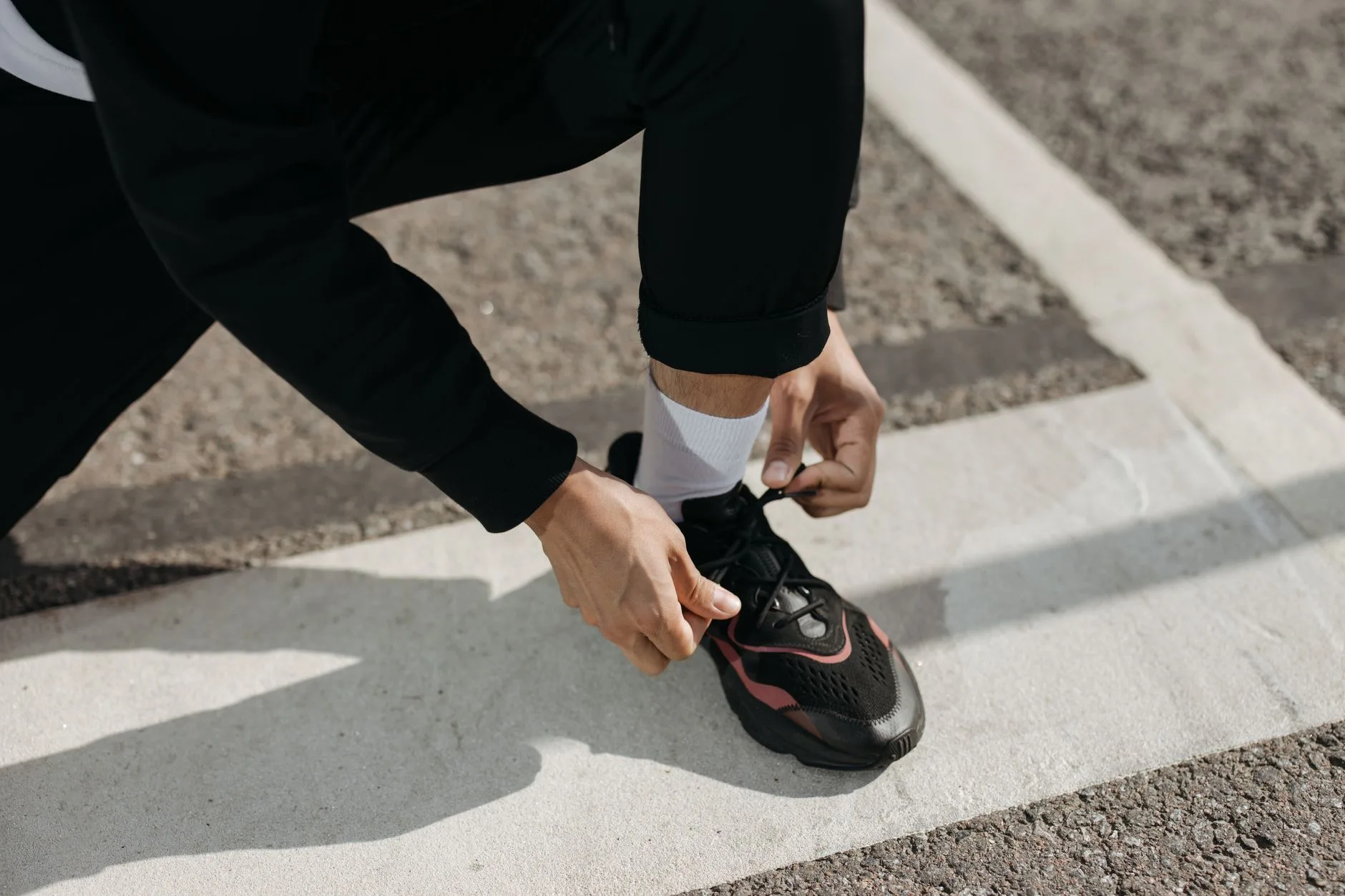
Shoes, Watches and Gait Analysis: What Is Worth Paying For
Gear can support running form, but it cannot buy you good mechanics. The right shoes can make running more comfortable. A GPS watch can show cadence. Gait analysis can spot obvious overstriding or asymmetry. None of those replaces sensible training.
Shoes: comfort first
Most runners should start with comfortable daily trainers, not aggressive racing shoes. Expect to pay roughly £80-£140 for good current or previous-season running shoes from UK shops such as SportsShoes, Start Fitness, Runners Need, Decathlon or local specialist stores. Premium plated shoes can be £180-£280, but they are not the answer to basic form problems.
If you are new or returning after a break, a stable daily trainer is usually wiser than a very soft, high-stack shoe that makes every landing feel wobbly. Our guides to choosing running shoes for your gait and running shoes for road and trail go deeper on that decision.
Gait analysis: useful, not magic
Many UK running shops offer gait analysis free if you buy shoes, or around £20-£40 as a standalone service. Private running assessments with a physio or coach can be more like £60-£120 depending on location and depth.
It is worth paying for if you keep getting the same niggle, you destroy shoes unevenly, or video shows a big asymmetry. It is less useful if you expect one treadmill clip to deliver a perfect shoe prescription forever.
The NHS sports-injury guidance is a sensible reminder that persistent pain, swelling or symptoms that do not settle deserve proper assessment rather than another internet form tweak: NHS sprains and strains guidance.
Watches: cadence is useful, vertical oscillation less so
A running watch can help because cadence is easy to track. Budget models under £100 can do the basics; better Garmin, Coros and Polar watches often sit around £150-£350. Chest straps are usually £30-£90 if you also care about heart-rate accuracy.
Use the watch as a mirror, not a judge. If your cadence drops when you get tired, that is useful. If the watch claims your vertical ratio is poor, do not rebuild your stride overnight. Most watch form metrics are estimates.
For setup and watch features, use GPS watch interval setup and GPS watch features explained rather than trying to make this form guide do everything.
Form Mistakes to Fix First
If you try to fix ten things at once, your running will feel robotic. Pick one cue for two weeks. Let it settle. Then decide whether anything else needs work.
Overstriding
This is the first place I would look for most runners. Signs include a loud foot slap, visible heel landing far ahead of the knee, and a feeling that every step jars through the leg.
Fix it with shorter, slightly quicker steps. Do not force your foot underneath you by tensing the hip. Think “quiet feet” and “land closer”.
Hunched shoulders
If your shoulders creep up, your arms usually stop helping. Drop the shoulders, soften the hands, and breathe out fully a couple of times. The fix is often relaxation, not strength.
Looking down
Looking down pulls the head and upper back forward. On rough trails you need to scan the ground, but on roads and paths you can keep your gaze further ahead. Your body tends to follow your head.
Crossing arms
Cross-body arm swing is common when runners get tired. Think elbows back and hands travelling beside the ribs. If you carry a phone in one hand, swap sides or use a belt. Holding it on one side for every run can create a subtle twist.
Changing form during every run
Do not spend every minute monitoring yourself. That is exhausting. Use short form blocks:
- First 10 minutes: run normally and warm up.
- Middle of the run: do three 60-second form checks.
- Final 5 minutes: check whether posture and cadence have faded.
That is enough. Running still needs to feel like running, not a driving test.
The final answer is simple: fix posture first, reduce overstriding second, tidy arm swing third. If pain changes your stride, stop guessing and get assessed. If you feel fine but want to run smoother, use small cues during easy runs and let the improvements arrive quietly.
Frequently Asked Questions
Is heel striking bad for runners? Not automatically. Many runners heel strike without problems. The bigger issue is usually overstriding, where the foot lands too far in front and creates a braking effect.
What cadence should I aim for when running? There is no single perfect cadence. If you overstride, try increasing your normal cadence by about 5% and see whether your stride feels quieter and smoother.
How should my arms move when I run? Keep the shoulders relaxed and drive the elbows back. Your hands should move forward and back near your torso rather than crossing repeatedly over the middle of your chest.
Can better running form prevent injuries? Better form can reduce wasted effort and may reduce some stress patterns, but injury risk also depends on training load, recovery, shoes, strength and previous injuries.
Is gait analysis worth it? Gait analysis is useful if you have repeated niggles, obvious asymmetry or no idea which shoes suit you. It is less useful if you expect one treadmill clip to solve every form issue.
How often should I practise running drills? Once or twice a week is enough for most recreational runners. Keep drills short and relaxed, then carry one cue into easy running rather than turning every run into technique homework.