Running cadence is simply how many steps you take per minute, but it can change how smooth, heavy or rushed your running feels. The useful bit is not chasing a magic number. It is learning your current rhythm, nudging it carefully, and using cadence as one clue alongside comfort, pace and injury history.
In This Article
- Running Cadence: The Plain-English Version
- What Cadence Tells You About Your Running Form
- How to Measure Your Current Cadence
- How to Improve Running Cadence Safely
- Cadence Gear and UK Costs
- Common Cadence Mistakes
- When Not to Change Your Cadence
- Frequently Asked Questions
Running Cadence: The Plain-English Version
Running cadence means steps per minute. If your watch says 164 spm, that is your total step count from both feet in one minute, not one leg only. Some runners call it stride rate. Same idea.
Cadence, Stride Length and Pace
Pace comes from two things working together:
- Cadence: how quickly your feet turn over
- Stride length: how much ground each step covers
- Efficiency: how much energy you spend to hold that combination
That is why two runners can both run 5:30 min/km and look different. One might take 176 short, quick steps per minute. Another might sit at 158 with a longer stride. Neither is automatically right or wrong.
The mistake is treating cadence like a school grade. A higher number is not always better. A cadence of 180 spm became famous because many elite runners sit somewhere near it at faster speeds, but your easy-run cadence might be lower, especially if you are taller, newer to running, tired, climbing, or jogging deliberately slowly.
What Is a Normal Cadence?
For easy running, many recreational runners sit roughly between 150 and 175 spm. Faster sessions often rise into the 170-190 spm range because pace increases. Downhill running can push cadence higher. Uphill running may shorten stride and raise cadence even when pace drops.
I would be wary of anyone telling a beginner to jump straight to 180 spm on every run. That can turn a relaxed jog into a tense shuffle. A better running cadence improve guide starts with your current average and asks whether a small change makes you smoother.
Why Runners Care About It
Cadence matters because it is easy to measure and easy to adjust. You do not need a lab, a coach, or a £600 watch. You can count steps for 30 seconds, double the number, and get a useful baseline.
Used sensibly, cadence work can help with:
- Overstriding: landing too far in front of your body
- Heavy braking: feeling like each footfall slows you down
- Treadmill rhythm: keeping form tidy when the belt sets the pace
- Fatigue checks: spotting when your form falls apart late in a run
- Speed changes: learning to quicken your feet without sprinting
It will not fix everything. If your shoes are dead, your weekly mileage has jumped too fast, or your calves are already angry, a metronome is not a magic wand. Fix the obvious problem first.
What Cadence Tells You About Your Running Form
Cadence is useful because it gives you a number for something that otherwise feels vague. “Run lighter” is hard to act on. “Try 3% more steps per minute for two minutes” is much clearer.
The Link With Overstriding
Overstriding usually means your foot lands too far ahead of your centre of mass. You may hear a slapping sound, feel a jolt through the knee or hip, or notice that your foot seems to reach forward before pulling you over it.
Increasing cadence slightly can shorten each step without asking you to consciously micromanage foot strike. You take more steps in the same minute, each step covers a little less ground, and the foot often lands nearer underneath you.
That is the theory. The practical version is simpler: if a small cadence lift makes you quieter, smoother and less bouncy, it is probably doing something useful.
Cadence Is Not the Same as Good Form
Do not make cadence carry the whole form conversation. A runner can hit 180 spm and still lean from the waist, cross arms over the body, collapse at the hips, or tense their shoulders. If your wider mechanics need work, use the cadence drill alongside our running form guide rather than instead of it.
Cadence is also pace-dependent. If you run an easy 6:45 min/km at 158 spm and a parkrun effort at 174 spm, that is normal. Comparing those two numbers without pace context is pointless.
What the Evidence Says
Research on cadence and gait retraining tends to support small, controlled increases rather than dramatic jumps. One cadence-focused gait retraining protocol published in the National Library of Medicine looked at using metronome-based step-rate changes to influence running mechanics, which is exactly why I prefer tiny adjustments over big forced targets: cadence-based gait retraining research.
That does not mean every runner should raise cadence. It means cadence is a valid lever when there is a reason to pull it.
How to Measure Your Current Cadence
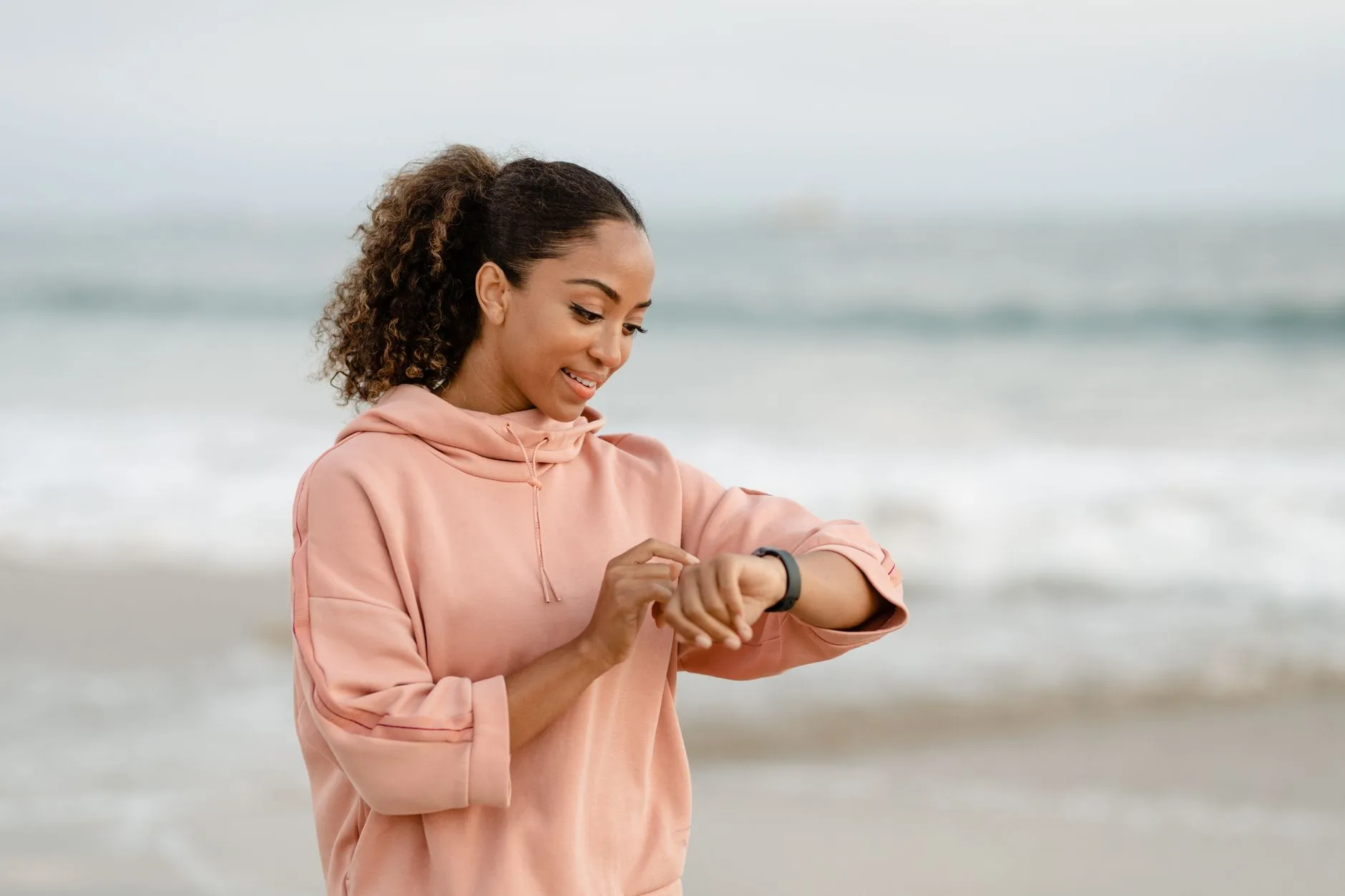
Measure cadence before changing anything. Otherwise you are guessing, and runners are terrible at guessing. We all think our easy pace is easy until the watch snitches.
Method 1: Use Your Running Watch
Most modern GPS watches show average cadence after the run. Many show live cadence too. Garmin, Coros, Polar and Apple Watch all handle the basics well enough for this job.
If you already own a watch, use it before buying anything new. A Garmin Forerunner 55 is about £149.99 at Currys when not on a deep sale, while a Coros Pace 3 is usually around £219 direct from Coros or specialist UK running shops. Both are more than enough for cadence. You do not need a premium watch just to see steps per minute.
Check these numbers after a normal week:
- Easy run cadence: your relaxed baseline
- Tempo or interval cadence: what happens when you run faster
- Late-run cadence: whether fatigue makes you slow the feet and overstride
- Treadmill cadence: useful if your outdoor routes are hilly
Method 2: Count It Manually
Manual counting sounds old-school because it is. It also works.
- Run at normal easy effort. Do not change your form yet.
- Count every right-foot landing for 30 seconds. Use a watch timer or phone timer.
- Multiply by four. Right foot only for 30 seconds gives half your steps, so four times the count gives total steps per minute.
- Repeat twice. One count can be messy if you hit a junction, hill or dog walker traffic jam.
If you count 41 right-foot strikes in 30 seconds, your cadence is about 164 spm. That is a useful starting point.
Method 3: Use a Phone App or Metronome
Free metronome apps can show you what different step rates feel like. Some runners use music playlists around a target beats per minute, but I find a simple beep cleaner for drills because songs drift and choruses are distracting.
A clip-on digital metronome costs roughly £15-£30 on Amazon UK or from music retailers. It is not glamorous, but it is cheaper than a watch and easier to hear than a phone speaker in a pocket. If you run with bone-conduction headphones, a free metronome app is enough for experimenting.
Keep the Test Conditions Boring
Do your baseline on a flat route, in normal shoes, at an easy pace. The NHS exercise guidance is a useful reminder that regular, sustainable aerobic activity matters more than turning every run into a form experiment.
Avoid testing cadence on:
- A hard interval session
- A windy day
- A steep trail route
- A recovery jog after heavy squats
- A run where you are carrying a backpack
Cadence changes with conditions. Make the first measurement boring so it is repeatable.

How to Improve Running Cadence Safely
The safe way to improve cadence is to nudge, not yank. If your easy cadence is 158 spm, do not force 180 tomorrow. Try 162-164 for short blocks and see how your legs respond.
Start With a 3-5% Change
A 3-5% increase is enough for most runners to feel a difference without turning the run weird. For example:
- 150 spm baseline: try 155-158 spm
- 160 spm baseline: try 165-168 spm
- 170 spm baseline: try 175-178 spm
The goal is not to lock into that number forever. It is to teach your body a slightly quicker rhythm, then let it settle naturally.
Use Short Cadence Blocks
Add cadence work to an easy run, not a race-pace session. Try this:
- Warm up for 10 minutes. Keep the first kilometre relaxed.
- Run 4 x 2 minutes at your target cadence. Use a metronome, music beat or live watch field.
- Jog 2 minutes between blocks. Let your normal rhythm return.
- Cool down easily. Do not turn the final 10 minutes into another drill.
If your calves feel tight the next day, reduce the target or the number of blocks. Calves and Achilles tendons notice cadence changes before your ego does.
Think “Quicker Feet”, Not “Shorter Stride”
When runners consciously shorten stride, they often shuffle. The better cue is quicker feet under your body. Keep posture tall, arms compact, and let the step land naturally.
I like two cues:
- Quiet feet: less slap, less braking
- Run over the ground: not bouncing up from it
They sound vague, but paired with a cadence number they work. If you are also trying to improve speed, link this to our guide on running pace so cadence does not become a disconnected party trick.
Add Strides Once a Week
Strides are short, relaxed accelerations. They teach leg turnover without the grind of a full speed workout.
After an easy run, try 4-6 strides of 15-20 seconds. Build from easy to quick, then walk back. Do not sprint flat out. You should finish thinking, “That felt sharp”, not “My hamstring has left the chat.”
Strides often raise cadence naturally because you are running faster with better posture. They are also more enjoyable than staring at a watch field every ten seconds.
Use Cadence on the Treadmill
Treadmills are handy because pace and gradient are controlled. If your cadence drops outdoors whenever you get tired, use the treadmill for neat rhythm work:
- Set a comfortable pace
- Keep gradient at 0-1%
- Add 3 x 3 minutes at a slightly higher cadence
- Watch whether your shoulders tense or your stride turns choppy
Pair this with our treadmill vs outdoor running guide if most of your winter training happens indoors.
Cadence Gear and UK Costs
You can improve cadence with no kit. Still, a few tools make feedback easier, especially if you like numbers.
Budget Setup: Phone and Free App
The cheapest setup is a free metronome app, wired or bone-conduction headphones, and manual cadence checks. Cost: £0 if you already run with a phone.
This is what I would use for a first test. Set the app 3-5% above your current cadence and use it for short blocks only. If you hate the beep after one run, you have learned that for free.
Simple Add-On: Clip-On Metronome
A clip-on metronome is about £15-£30 from Amazon UK or music shops. The Seiko DM51-style units are common, small and loud enough for drills. They are not running-specific, but that is fine. A beat is a beat.
The downside is faff. You need somewhere secure to clip it, and it is one more thing to charge or replace batteries in. For runners who do not want a watch, it is still the best cheap tool.
Best All-Round Option: Entry Running Watch
An entry GPS watch is the sweet spot if you also care about pace, distance and intervals. The Garmin Forerunner 55 at about £149.99 from Currys is enough for cadence and basic structured training. If you want longer battery life and a lighter race feel, the Coros Pace 3 is usually around £219 and is strong value.
I would not buy a £400-plus watch for cadence alone. Spend the difference on shoes, a gait check, or a decent waterproof jacket if you are training through UK winter.
Premium Sensors: Usually Overkill
Foot pods and running dynamics sensors can add extra metrics such as ground contact time and vertical oscillation. Prices vary, but expect roughly £50-£120 depending on brand and availability.
They are useful for data nerds and coached athletes. For most runners, watch cadence plus how your legs feel is enough. If you already use a chest strap, check whether your model sends running dynamics before buying another sensor.
Shoes and Cadence
Shoes do not set cadence for you, but they can change how easy it feels to turn your legs over. A heavy daily trainer can feel stable but sluggish. A lighter tempo shoe can encourage quicker turnover, sometimes too much.
If you are rotating shoes, note your cadence across models. Our running shoe cushioning guide is useful here because soft maximal cushioning can feel very different from firmer, lower-profile shoes.
Common Cadence Mistakes
Cadence advice goes wrong when a helpful number becomes a rule. These are the mistakes I see most often.
Chasing 180 on Every Run
The classic one. A runner reads that 180 spm is ideal, forces it at 7:00 min/km, and ends up shuffling like they are trying not to wake a baby.
Use 180 as context, not a command. Your easy cadence can be lower. Your faster cadence can be higher. Your height, pace, terrain and fatigue all matter.
Changing Too Much at Once
Jumping from 155 to 180 spm is a big load change. Your calves, Achilles and feet may get more work because the rhythm changes where and how force lands.
Make one change at a time:
- Keep weekly mileage steady
- Keep shoes the same
- Add cadence blocks, not whole-run cadence targets
- Leave speedwork alone for the first week
If something starts niggling, back off. No cadence number is worth limping through school pickup.
Ignoring Arm Swing
Your arms help set rhythm. If your arms are slow, wide and crossing the body, your legs often follow. Try compact arms with elbows moving back rather than hands swinging across your chest.
This links neatly with the posture work in our running form guide. Cadence is easier when the upper body is not fighting it.
Using Cadence to Hide Poor Pacing
Some runners try to increase cadence because every run feels hard. The real issue is often pace. If your easy runs are too fast, cadence drills become another way to make them harder.
Use heart rate or effort checks if you are unsure. Our heart rate training zones guide explains how to keep easy runs easy enough to adapt from.
Forgetting Hills and Trails
Trail cadence jumps around. Mud, roots, gates, cambers and climbs all change rhythm. Do not expect a tidy road cadence on a technical route.
On climbs, shorter quicker steps can help. On descents, cadence may rise because you are controlling speed. On rough trails, safe foot placement beats a clean number.
When Not to Change Your Cadence
Sometimes the best cadence advice is to leave it alone for a bit. Not every runner needs a project.
You Are New to Running
If you are in the first few months of running, build consistency first. Cadence can wait until you have a stable routine and your body has adapted to regular impact.
For brand-new runners, our Couch to 5K and beyond guide is a better place to start than cadence drills.
You Are Returning From Injury
If you are coming back from injury, talk to a physio or qualified coach before changing mechanics. A small cadence increase can sometimes reduce overstriding, but it can also shift load to calves, feet or Achilles.
Use cadence as a gentle cue only after pain has settled and your return-to-run plan is stable. Our running injury prevention guide covers the broader load-management piece.
Your Current Cadence Already Works
If you run comfortably, recover well, avoid recurring niggles and your pace is improving, do not fix what is not broken. You can still check cadence occasionally, but there is no need to remodel your stride for the sake of a neater watch graph.
Your Watch Data Is Messy
Wrist cadence can be thrown off by pushing a buggy, holding a dog lead, carrying a bottle, or using poles on trails. If the number looks odd, count manually before drawing conclusions.
The bottom line: cadence is a tool, not a personality test. Use it when it helps you run smoother, leave it alone when it turns easy running into homework.
Frequently Asked Questions
What is a good running cadence for beginners? Many beginners sit around 150-170 steps per minute on easy runs. That can be fine. Measure your current cadence first, then try a small 3-5% increase only if you overstride, land heavily or want a smoother rhythm.
Is 180 cadence always best? No. A cadence near 180 is common among faster runners, but it is not a fixed target for every pace or body type. Easy runs, hills, trails and taller runners may naturally sit lower.
How quickly can I improve running cadence? You can feel a small cadence change in one session, but give your body several weeks before making it your normal rhythm. Use short cadence blocks once or twice a week rather than forcing every run.
Can cadence help me run faster? It can help if your current stride is braking or overlong, but cadence alone does not create fitness. Use it alongside sensible pacing, strength, easy mileage and occasional speed sessions.
Do I need a running watch to measure cadence? No. A watch is convenient, but you can count one foot for 30 seconds and multiply by four. A free phone metronome app is enough for basic cadence drills.
Can changing cadence cause injury? It can if you change too much too quickly. Raising cadence often shifts load toward calves, Achilles and feet, so keep the increase small and stop if a niggle appears.