HIGH5 ZERO remains the best electrolyte drink for most UK runners who want a convenient low-carbohydrate tablet. Its strength is simplicity: one portable tablet, no meaningful fuel to count and a relatively modest prepared sodium concentration. OTE is the stronger mid-range tablet, while Precision Hydration PH 1000 is the clearly defined higher-sodium choice. SiS GO or Skratch makes more sense when the bottle must also contribute carbohydrate.
Electrolytes are not automatically necessary for every run. Water is sufficient for many short or easy sessions, while heat, duration, sweat rate, drinking volume and access to food change the decision. No product here prevents cramp or treats significant dehydration, and runners with kidney, heart, blood-pressure or fluid-balance conditions should ask a clinician before deliberately increasing sodium.
Guide Sections
- Comparison table
- Six product reviews
- When electrolytes may help
- How to choose
- How to use them
- Safety and mistakes
- Final verdict
- Frequently asked questions
Best Electrolyte Drinks at a Glance
This table compares one manufacturer-stated serving prepared as directed. Sodium per litre values marked * are calculated from the declared sodium and water volume. † Skratch allows 350–500ml per scoop; 500ml is used here so the prepared concentration is explicit. Figures apply to the exact flavours and formulations linked in this guide.
| Product | Best for | Water | Sodium/serving | Sodium/litre | Carbohydrate | Caffeine |
|---|---|---|---|---|---|---|
| HIGH5 ZERO | Best overall low-carbohydrate tablet | 750ml | 250mg | 333mg/L* | 0g | No added caffeine; may contain under 2mg |
| SiS GO Electrolyte Powder | Best substantial carbohydrate-and-electrolyte drink | 500ml | 237mg | 474mg/L* | 36g | Caffeine-free |
| Precision Hydration PH 1000 | Best clearly defined higher-sodium tablet | 500ml | 500mg | 1,000mg/L | 2.2g | Caffeine-free |
| OTE Hydro Tabs | Best mid-strength low-carbohydrate tablet | 500ml | 370mg | 740mg/L* | 0.49g | Caffeine-free |
| Nuun Sport Mixed Pack | Best caffeine-free flavour variety pack | 475ml | 300mg | 632mg/L* | 4g | Caffeine-free |
| Skratch Labs Sport Hydration Mix | Best lighter carbohydrate drink mix | 500ml† | 400mg | 800mg/L* | 19g | Caffeine-free |
The serving number on a tube is not a concentration. HIGH5 supplies 250mg sodium in 750ml, whereas OTE supplies 370mg in 500ml and PH 1000 supplies 500mg in 500ml. Compare the prepared drink rather than tablet count or product name.
The Six Best Electrolyte Drinks for Runners
1. HIGH5 ZERO — Best Overall Low-Carbohydrate Tablet

HIGH5 wins because it keeps the everyday decision uncomplicated. One Berry tablet in the recommended 750ml provides 250mg sodium with no carbohydrate, so runners who already use food or gels can adjust hydration without quietly adding more fuel. Its calculated 333mg/L sodium concentration is the lowest in this comparison, which is part of the point rather than a hidden weakness.
Choose it for routine training, warm easy runs and travel when portability matters more than a high-strength formula. OTE is the closer alternative when a 500ml bottle and a mid-strength 740mg/L drink suit the plan; PH 1000 is more specialised at 1,000mg/L.
HIGH5 says standard ZERO is not a caffeine product, although the green-tea extract may contribute traces below 2mg. It will not fuel a long run, and runners should not assume that two tablets in 750ml are equivalent to the stated serving.
2. SiS GO Electrolyte Powder — Best for Substantial Carbohydrate Plus Electrolytes
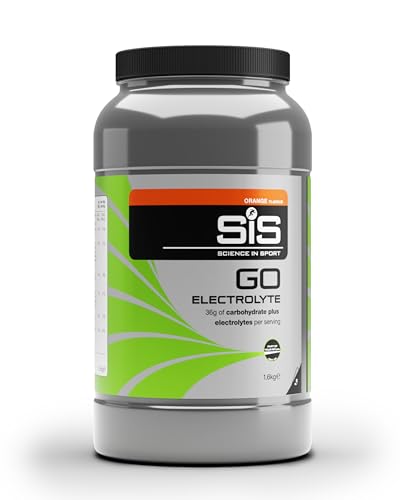
SiS GO is the shortlist’s most substantial liquid-fuelling option. The current Orange formula uses 40g powder in 500ml water, supplying 36g carbohydrate and 237mg sodium. That bottle therefore belongs in the fuelling calculation; it is not interchangeable with a near-zero-carbohydrate tablet.
This is the better purchase for a longer run when carrying fewer separate gels matters. Skratch provides roughly half as much carbohydrate per prepared serving, which gives more room to combine the bottle with food or gels. HIGH5 and OTE are cleaner choices when fuel should remain separate.
The trade-off is reduced flexibility: every bottle brings 36g carbohydrate whether or not it is needed. Weigh the powder where practical, count it within the complete plan and practise the exact concentration before racing.
3. Precision Hydration PH 1000 — Best Clearly Defined Higher-Sodium Tablet

PH 1000 is the easiest product here to interpret: one tablet in 500ml supplies 500mg sodium, producing the stated 1,000mg/L concentration. The name describes concentration, not sodium per tablet—a distinction worth making before anyone assumes one tablet contains 1,000mg.
Its role is a deliberate higher-sodium plan, often for long or hot sessions or after individual assessment. It is not the automatic upgrade from HIGH5. OTE provides a less aggressive middle step at 740mg/L, while drinking several bottles of PH 1000 increases total sodium quickly.
The tablet contains 2.2g carbohydrate but is not a fuel source. Use the instructed dilution, and do not treat salty clothing, cramp or manufacturer language as a diagnosis of a particular sodium requirement.
4. OTE Hydro Tabs — Best Mid-Strength Low-Carbohydrate Tablet

OTE now has a category based on the prepared drink rather than its packaging. One Lemon tablet in 500ml supplies 370mg sodium, or 740mg/L, with just 0.49g carbohydrate. That places it meaningfully between HIGH5 and PH 1000 while still leaving fuelling almost entirely separate.
It is the sensible alternative for runners who want more sodium concentration than HIGH5 without moving straight to PH 1000. It also fits a common 500ml soft flask neatly. Nuun is slightly weaker at 632mg/L and wins on flavour variety rather than concentration.
OTE is not automatically better because it contains more sodium than HIGH5. The exact Lemon formulation contains sweetener and a fixed flavour, so tolerance and preference still need testing during training.
5. Nuun Sport Mixed Pack — Best Caffeine-Free Flavour Variety Pack
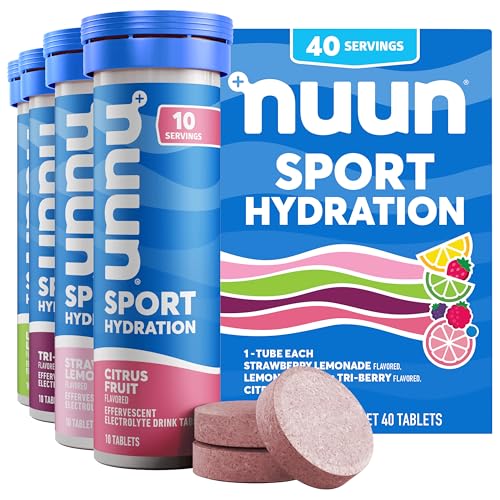
Nuun’s distinction is variety without changing the basic formula. The selected four-pack contains Strawberry Lemonade, Lemon Lime, Tri-Berry and Citrus Fruit; each standard Sport tablet is prepared in 475ml and provides 300mg sodium and 4g carbohydrate. Those four flavours are caffeine-free, unlike specifically labelled Nuun Sport + Caffeine variants.
The calculated 632mg/L concentration falls between HIGH5 and OTE. Buy Nuun when rotating flavours will make the same hydration routine easier to follow, not because a mixed pack has a nutritional advantage. HIGH5 is the simpler one-tube purchase and OTE provides more sodium per litre.
The upfront pack is larger, and flavour names or formulations can differ between markets. Check that a replacement tube is standard Sport rather than a caffeinated variant.
6. Skratch Labs Sport Hydration Mix — Best Lighter Carbohydrate Drink Mix
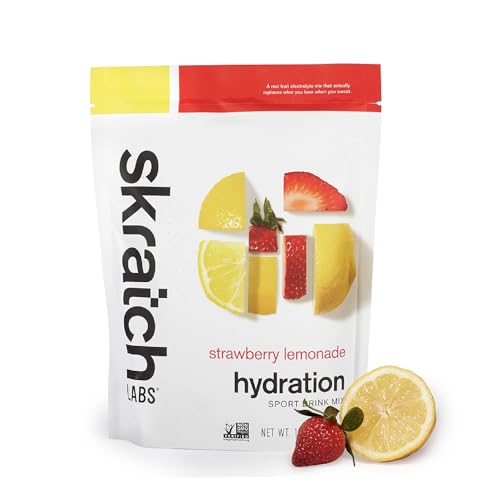
Skratch fills the space between electrolyte water and a substantial carbohydrate drink. One scoop of the Strawberry Lemonade formula supplies 19g carbohydrate and 400mg sodium. For a consistent comparison this guide uses the top of Skratch’s stated 350–500ml water range, giving a calculated 800mg/L sodium concentration at 500ml.
Choose it when some fuel in the bottle is useful but SiS GO’s 36g serving would occupy too much of the plan. It offers more carbohydrate than any tablet here, so it still needs counting alongside gels, chews and food.
Water volume matters more with Skratch than with the fixed 500ml products: using 350ml creates a more concentrated drink than the table’s 500ml basis. Measure one scoop, use a tested dilution and shake again if the real-fruit ingredients settle.

When Do Runners Need Electrolytes?
There is no single distance at which electrolytes become compulsory. A cool 10K completed comfortably is different from a humid long run, even if the clock time is similar. The NHS says water is the best way to replace lost fluid for general hydration and advises drinking extra when sweating through physical activity.
- More likely useful: long duration, high heat or humidity, repeated sessions, heavy sweating and limited opportunity to eat normally.
- Less likely necessary: short easy runs in cool conditions when normal meals and water cover the session.
- Individual factors: body size, pace, acclimatisation, sweat rate, clothing and how much sodium is already consumed with food.
Sweat marks and taste can suggest salt loss but do not provide a precise prescription. A measured sweat-rate exercise or qualified sports dietitian is more useful than copying another runner’s bottle. See our hot-weather running guide for the wider heat-risk picture.
How to Choose an Electrolyte Drink
Decide Whether the Bottle Is Also Fuel
Zero or low-calorie tablets separate hydration from fuelling. Carbohydrate powders make the bottle part of the energy plan. Neither is universally superior: separation makes intake easier to adjust, while a combined drink reduces the number of products carried.
Compare Sodium at the Same Dilution
Use milligrams per litre or per prepared bottle. Numbers per tablet or scoop are misleading if products specify different water volumes. Stronger is not automatically better, particularly when several bottles are consumed.
Check Caffeine, Sweeteners and Tolerance
Caffeine appears in some variants but not every product line. Sweeteners, acidity and concentrated carbohydrate can also affect taste or stomach comfort. Never introduce a new drink at a race. Our running nutrition guide and marathon nutrition plan help place fluid alongside food and gels.

How to Use Electrolytes Before, During and After Running
- Before: begin normally hydrated rather than trying to compensate by drinking a large volume immediately before running. A planned higher-sodium drink should be tested in training.
- During: drink according to conditions, access and an individual plan; avoid forcing fluid beyond thirst simply to finish a bottle. Count carbohydrate drinks as fuel.
- After: continue drinking and eat normally. Food supplies fluid, sodium and other nutrients; an electrolyte product is a convenience, not a complete recovery meal.
The NHS hydration guidance recommends drinking regularly and using pale urine as a broad everyday guide, while recognising that hot environments and prolonged activity increase fluid needs. Race-day intake should still be practised under similar conditions.
For carrying options, see our running hydration vest guide. Shoe choice remains separate from nutrition; our trail versus road shoe guide explains the equipment differences.
Safety and Common Mistakes
- Overdrinking: excessive fluid can be dangerous, including when the drink contains electrolytes. More is not safer.
- Treating cramp as simple salt deficiency: cramp has multiple possible contributors; a product claim is not a diagnosis.
- Ignoring medical conditions: sodium, potassium and fluid advice can differ with kidney, heart, blood-pressure conditions and some medicines.
- Mixing too strongly: extra powder changes carbohydrate and sodium concentration and may worsen stomach tolerance.
- Trying it on race day: test flavour, concentration and carrying method in training.
Severe or persistent symptoms—including confusion, fainting, marked weakness, repeated vomiting or worsening illness—need medical assessment rather than another sports drink. The NHS dehydration page explains warning signs and when to seek urgent help.
Final Verdict
Choose HIGH5 ZERO for a practical low-carbohydrate tablet that leaves fuelling separate. Its 333mg/L calculated sodium concentration is modest, so choose it for simplicity rather than maximum sodium. OTE is the meaningful mid-strength step at 740mg/L, while PH 1000 is the deliberate 1,000mg/L option—not an automatic upgrade for every runner.
Choose SiS GO when a 500ml bottle should contribute 36g carbohydrate, or Skratch when 19g fits the wider fuel plan better. Nuun remains the flavour-variety choice. The useful comparison is the prepared drink, followed by how it fits an individual plan; the biggest number is not a universal target.
Frequently Asked Questions
Do I need electrolytes for a 5K?
Usually not for an ordinary short run in cool conditions if you begin hydrated and eat normally. Heat, unusually heavy sweating or medical advice can change the answer.
Are electrolyte tablets better than powder?
Tablets are convenient and usually provide little carbohydrate. Powders can supply electrolytes alone or combine them with meaningful carbohydrate, so the better format depends on the fuelling plan.
Can electrolytes prevent running cramps?
No product can guarantee that. Exercise-associated cramp has multiple possible contributors, and a commercial claim should not replace assessment of pacing, fatigue, training and health.
How much sodium should a runner take?
There is no universal amount. Duration, sweat rate, weather, diet and individual losses differ. Compare prepared-drink concentrations and seek qualified advice for a personalised plan.
Can I drink too much electrolyte drink?
Yes. Excessive fluid intake can be dangerous even when electrolytes are included. Do not force large volumes beyond an appropriate individual plan.
Should I use a new electrolyte drink on race day?
No. Test the exact flavour, concentration and quantity during training so stomach tolerance and carrying logistics are known.