You’ve just started running three times a week. You feel good. You’re getting fitter. And then someone at parkrun tells you that you should be “fuelling properly” and suddenly you’re down a rabbit hole of energy gels, electrolyte tablets, carb loading, and protein windows. It doesn’t need to be this complicated. For most runners doing 5K-half marathon distances, getting your nutrition right is less about supplements and more about eating the right things at the right times.
In This Article
- The Simple Version
- What to Eat Before a Run
- Nutrition During a Run
- What to Eat After a Run
- Hydration: Before, During, and After
- Nutrition by Distance
- Common Running Nutrition Mistakes
- Race Day Nutrition
- Supplements for Runners: What Actually Works
- Frequently Asked Questions
The Simple Version
If you just want the headlines without the science:
- Before (1-2 hours pre-run): easily digestible carbs — toast with banana, porridge, or a bagel with honey
- During (over 60 minutes): water for runs under 60 minutes; energy gels or sweets for anything longer
- After (within 30-60 minutes): protein + carbs — eggs on toast, chicken wrap, protein shake with fruit
That’s 80% of running nutrition sorted. The rest of this article is the nuance — when it matters, when it doesn’t, and how to avoid the mistakes that make you feel terrible mid-run.
What to Eat Before a Run
Timing Matters More Than Food Choice
The biggest pre-run mistake is eating too close to your run. Your body diverts blood to the digestive system after eating — blood that your legs need. General guidelines:
- Large meal: 3-4 hours before (a full breakfast or lunch)
- Light meal/snack: 1-2 hours before (toast, banana, energy bar)
- Very small snack: 30-45 minutes before (a few jelly babies, a gel)
- Nothing: fine for easy runs under 45 minutes if you’ve eaten normally that day
Best Pre-Run Foods
Foods that digest quickly, provide energy, and won’t slosh around in your stomach:
- Porridge with honey (1.5-2 hours before) — sustained energy, easy on the stomach
- Toast with banana and peanut butter (1-1.5 hours before) — our go-to before morning runs
- Bagel with jam (1-2 hours before) — simple carbs that digest fast
- Rice cakes with honey (45-60 minutes before) — very light, quick energy
- A banana alone (30-45 minutes before) — the classic last-minute fuel
Foods to Avoid Before Running
- High fibre (bran cereal, beans, lentils) — causes bloating and urgency mid-run
- High fat (full English, cheese toasties, pastries) — sits heavy, digests slowly
- Spicy food — can cause reflux during effort
- Dairy (for some people) — triggers stomach cramps. Individual tolerance varies.
- Large volumes of fruit juice — fructose can cause GI distress during exercise
Morning Runners: To Eat or Not?
Running on an empty stomach (fasted running) is fine for easy runs under 60 minutes. Your body has enough glycogen from yesterday’s meals to sustain moderate effort. But for harder sessions (intervals, tempo runs) or longer distances, eat something light 30-60 minutes before. Even a banana or two biscuits make a measurable difference to energy levels in the second half of the run. We’ve tested both approaches extensively — fasted works for easy 5Ks; anything harder benefits from fuel.
Nutrition During a Run
When You Don’t Need Anything
For runs under 60 minutes at easy to moderate effort, you don’t need food during the run. Your body has 90-120 minutes of glycogen stored in muscles and liver. Water is usually sufficient. Don’t overthink this — millions of parkrunners complete 5K every Saturday with nothing but breakfast in their system.
When to Start Fuelling
Once your run exceeds 60-75 minutes, mid-run nutrition becomes increasingly important:
- 60-90 minutes: optional but helpful — a gel or a few jelly babies around the 45-minute mark
- 90-120 minutes: necessary — aim for 30-60g of carbohydrates per hour
- 120+ minutes (marathon territory): essential — 60-90g carbs per hour, practised in training
What to Take Mid-Run
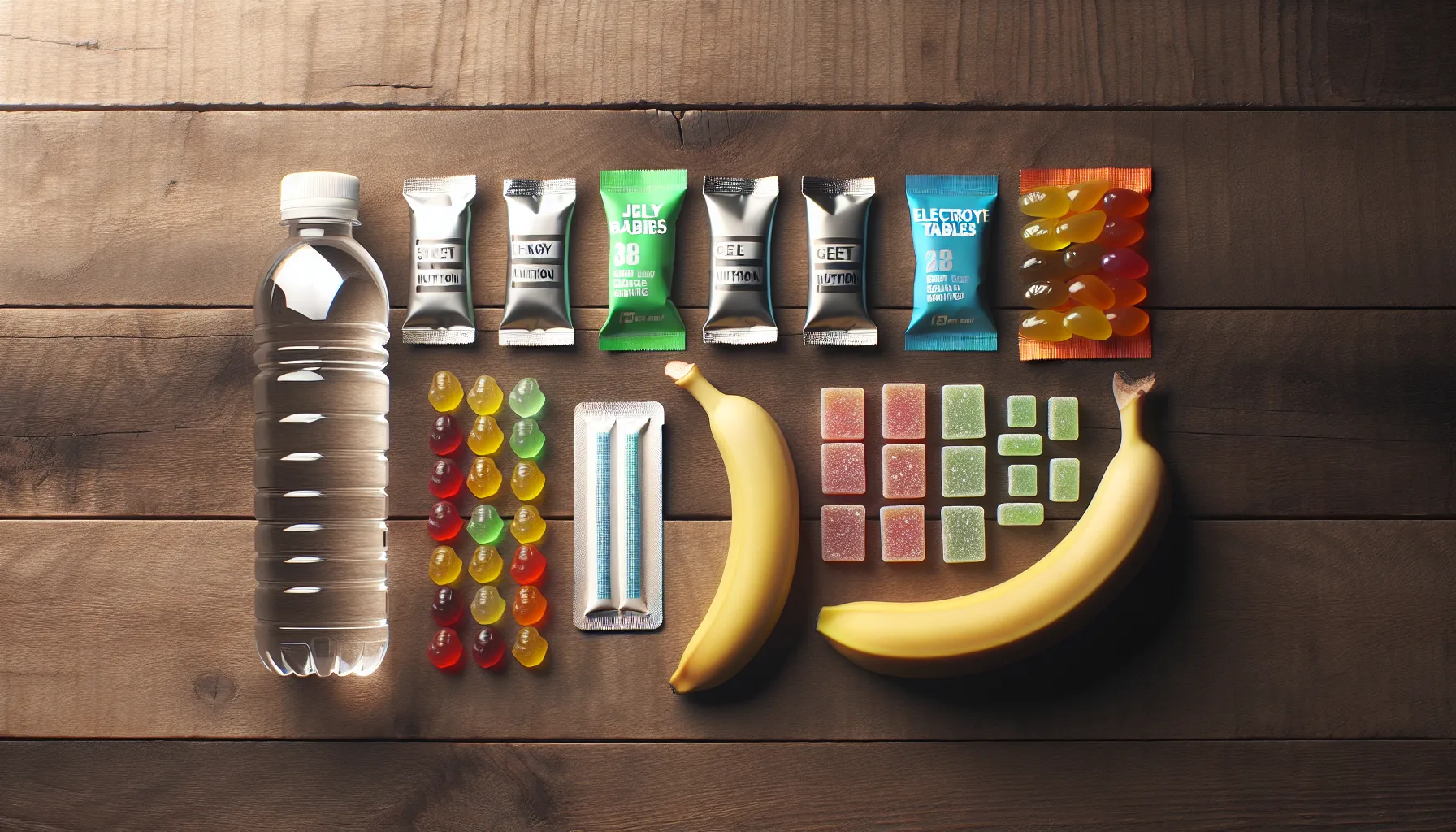
- Energy gels (SIS, Maurten, High5) — 20-25g carbs per gel, easy to carry, fast absorption. The most popular option but not everyone tolerates them.
- Jelly babies/Haribo — 5-6 jelly babies = roughly one gel worth of carbs. Cheaper and tastier. We use these for long runs because they’re easier on the stomach.
- Energy chews (Clif Bloks, SIS Gummies) — easier to dose than gels, less mess
- Real food (for ultras) — sandwiches, bananas, boiled potatoes. Only practical at slower paces where chewing is manageable.
- Sports drinks (Lucozade Sport, High5) — combined hydration and fuelling in one. Useful if you don’t like carrying gels separately.
The Golden Rule
Practice nutrition in training. Never try a new gel, drink, or food on race day. What works for your running partner might cause you stomach cramps. Test everything in training runs at race pace — your gut needs training just like your legs.
What to Eat After a Run
The Recovery Window
The 30-60 minutes after a run is when your body is most receptive to restoring glycogen and repairing muscle. This “window” isn’t as narrow as bodybuilding culture suggests — you won’t waste your run if you eat 90 minutes later. But eating sooner does speed recovery, especially if you’re training again within 24 hours.
What Your Body Needs Post-Run
- Carbohydrates — to restore glycogen (the fuel you burned)
- Protein — to repair muscle damage (15-25g is sufficient)
- Fluids — to replace what you sweated out
- Sodium/electrolytes — if it was hot or you’re a heavy sweater
Best Post-Run Meals and Snacks
Quick options (within 30 minutes):
- Chocolate milk — the classic. Carbs, protein, fluid, and sodium in one drink. Research backs this up.
- Protein shake with banana — convenient if you’re not hungry for real food immediately
- Greek yoghurt with granola and berries — protein + carbs + tastes good
Full meals (within 1-2 hours):
- Eggs on toast with avocado — protein, carbs, healthy fats
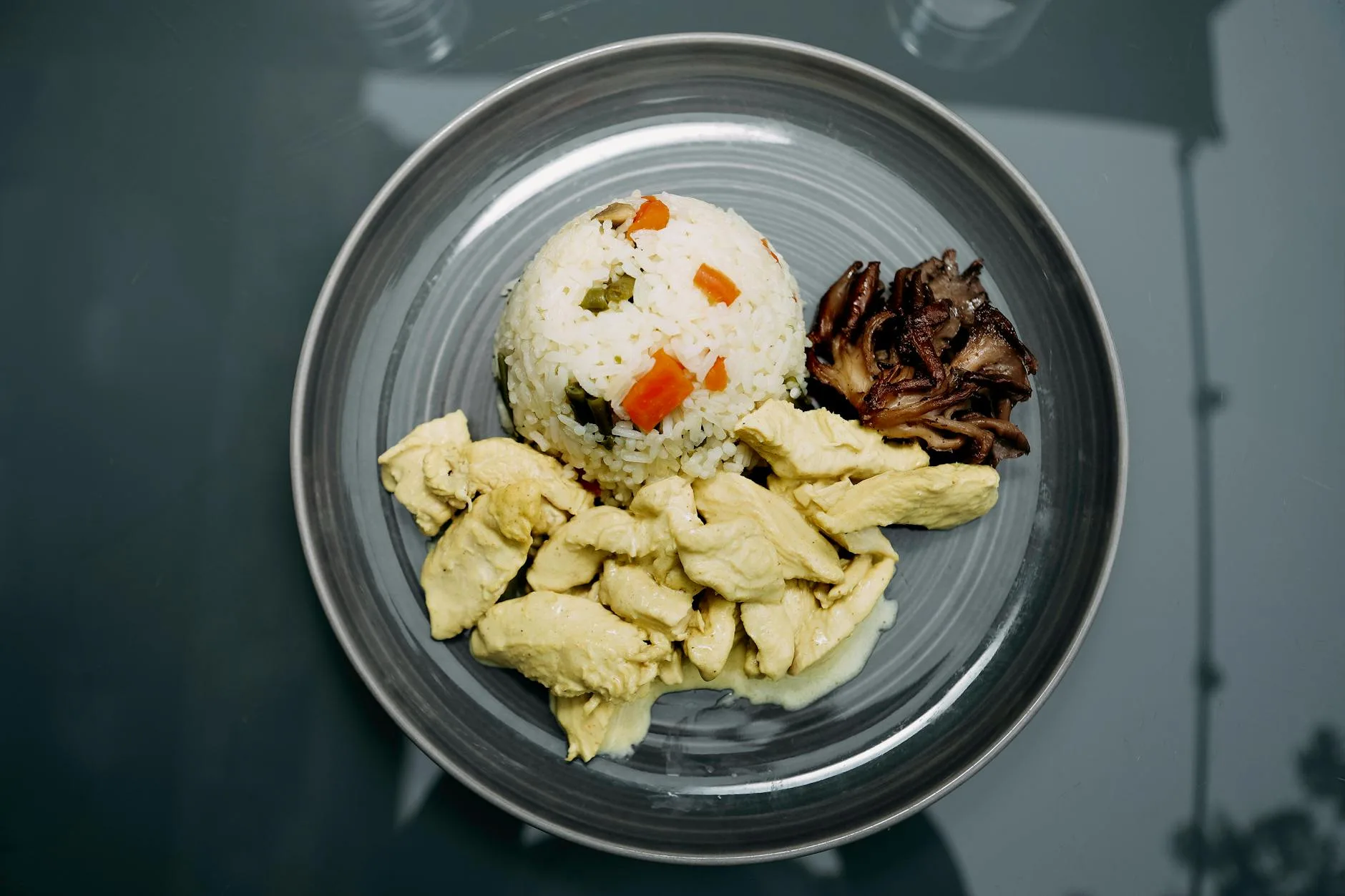
- Chicken and rice — the boring but effective classic
- Pasta with meat sauce — high carb, moderate protein, satisfying
- Salmon with sweet potato — omega-3s for inflammation reduction, complex carbs
After Easy Runs vs Hard Sessions
Easy 30-minute jogs don’t require special recovery nutrition — just eat your normal next meal. Reserve dedicated recovery eating for hard sessions (intervals, long runs, races) where glycogen depletion and muscle damage are meaningful.
Hydration: Before, During, and After
Daily Hydration
Most runners underdrink on normal days and then panic-hydrate before runs. Consistent daily intake matters more than race-day chugging. The NHS Eatwell Guide recommends 6-8 glasses daily as a baseline — runners need more, especially on training days.
Before Running
Drink 300-500ml of water in the 2 hours before your run. Don’t chug a litre in the 15 minutes before — you’ll feel it sloshing and need the toilet at mile 2.
During Running
- Under 60 minutes: water if thirsty, but most people don’t need to carry anything
- 60-90 minutes: sip water every 15-20 minutes (150-250ml per hour)
- Over 90 minutes: electrolyte drink recommended (replaces sodium lost in sweat)
After Running
Weigh yourself before and after a long run. Every kg lost = roughly 1 litre of fluid to replace. Drink 1.5x what you lost (to account for continued sweating and urine production). Add an electrolyte tablet (Nuun, High5 Zero, SIS Hydro) if you sweated heavily. For a related angle, see our How to Choose the Right Nutrition & Hydration guide.
Signs of Dehydration
- Dark urine (aim for pale straw colour)
- Headache after running
- Fatigue disproportionate to effort
- Muscle cramps in the final miles
- Feeling dizzy or lightheaded post-run
For more on running in heat specifically, our hot weather running guide covers hydration strategies for summer training.
Nutrition by Distance
5K Runners
Nutrition barely matters for 5K — the race is 20-35 minutes. Eat your normal meals, stay hydrated, don’t eat a fry-up 30 minutes before parkrun, and you’re sorted. No gels needed. No special loading required.
10K Runners
Similar to 5K but timing matters slightly more. Eat a light meal 2 hours before. No mid-race nutrition needed (you’ll finish in 40-70 minutes). Recovery meal afterwards if it was a race effort.
Half Marathon Runners
Pre-race meal 2-3 hours before (porridge, toast, bagel). Consider one gel or equivalent at 8-9 miles if you’ve been running over 75 minutes. Hydrate at water stations. Proper recovery meal within an hour.
Marathon Runners
This is where nutrition becomes a genuine performance factor. Carb-loading in the 2-3 days before (increasing carb intake to 8-10g per kg bodyweight), early and consistent fuelling from mile 3-4 (30-60g carbs per hour), electrolyte strategy, and disciplined recovery eating. Our marathon nutrition plan covers the week-by-week detail.
Ultra Runners (50K+)
Beyond the scope of this guide but the principles scale up: more frequent eating (every 20-30 minutes), wider food variety (savoury as well as sweet — your taste preferences change after hours of exercise), and a focus on what you can actually stomach rather than optimal macros.
Common Running Nutrition Mistakes
Mistake 1: Running Too Soon After Eating
The “stitch” you get 10 minutes into a run after a big meal isn’t a fitness problem — it’s a timing problem. Respect the 1-2 hour gap minimum for any substantial food. Our Best Running Vests 2026 UK: Hydration & Race guide is useful alongside this.
Mistake 2: Not Practising Race Nutrition
We see it at every half marathon: someone takes a gel at mile 8 that they’ve never tried before, and spends miles 9-11 dealing with stomach cramps. Test everything in training. Multiple times.
Mistake 3: Drinking Too Much Water
Hyponatremia (dangerously low sodium from over-drinking) is more dangerous than mild dehydration. Drink to thirst, don’t force-drink. This is particularly relevant for slower marathon runners who spend 4-5+ hours on the course with access to water stations every mile.
Mistake 4: Skipping Breakfast Before Long Runs
“I’ll burn more fat if I run fasted” — technically true for easy pace, but you’ll also run slower, feel worse after 60 minutes, and risk bonking on anything over 90 minutes. Eat before long runs. Always.
Mistake 5: Ignoring Individual Tolerance
What works for your running club partner may cause you problems. Lactose, fructose, caffeine, and fibre tolerance vary hugely between individuals. Find your own pre-run foods through trial and error. Keep a simple log of what you ate and how you felt during the run. Patterns emerge quickly.
Race Day Nutrition
The Night Before
Eat a familiar, carb-rich dinner. Pasta, rice, or baked potato with a simple protein source. Nothing experimental. Nothing spicy. Nothing that might disagree with you. Hydrate well but stop drinking large amounts 2 hours before bed (bathroom trips disrupt sleep).
Race Morning
- Wake up 2.5-3 hours before gun time
- Eat your tested pre-race breakfast (the one you’ve practised in training)
- Sip water — 300-500ml over the next 2 hours
- Stop eating 60-90 minutes before start
- One last toilet visit 30 minutes before start
During the Race
Stick to your plan. Don’t take anything at water stations that you haven’t tried before. If there are gels available on-course, check the brand in advance and test it in training. Start fuelling earlier than you think you need to — by the time you feel depleted, it’s too late to recover.
If you’re building toward your first race, our Couch to 5K guide covers the full journey from non-runner to race day.
Supplements for Runners: What Actually Works
Evidence-Based
- Caffeine (pre-run) — 3-6mg per kg bodyweight 30-60 minutes before improves performance by 2-4%. Well-proven across hundreds of studies. Available in gels, coffee, or tablets.
- Electrolytes (during/after) — sodium, potassium, magnesium replacement for runs over 60 minutes in heat. Not magic, just replacing what you lose.
- Protein powder (post-run) — convenient when you can’t eat real food quickly. Whey or plant-based — both work.
Probably Helpful
- Beetroot juice (pre-run) — nitric oxide boosts may improve endurance by 1-3% at threshold pace. Research is promising but not conclusive for all runners.
- Tart cherry juice (post-run) — anti-inflammatory properties may speed recovery. Some evidence supports this; not definitive.
- Vitamin D (daily, October-March in UK) — the NHS recommends this for everyone in the UK during winter months. Runners aren’t special here but deficiency affects performance.
Waste of Money
- BCAAs — if you eat adequate protein (most people do), additional BCAAs provide no extra benefit
- Fat burners — no legitimate evidence they work for runners
- Most “running-specific” multivitamins — eat a varied diet instead. Cheaper and more effective.
Frequently Asked Questions
Should I eat before a morning run? For easy runs under 45-60 minutes, fasted running is fine. For harder sessions (intervals, tempo) or anything over 60 minutes, eat a light snack 30-60 minutes before — even a banana or a couple of biscuits makes a difference to performance in the second half.
Do I need energy gels for a half marathon? Most runners benefit from one gel (or equivalent — jelly babies, energy chews) around miles 8-9 of a half marathon. It’s not strictly necessary for faster runners finishing under 90 minutes, but for those running 1:45-2:30, mid-race fuel noticeably helps the final miles. Always test in training first.
How much water should I drink during a 10K? For most 10K runners (finishing in 40-70 minutes), you don’t need to drink during the race. Start well-hydrated and drink afterwards. If conditions are hot or you’re prone to heavy sweating, a sip at the halfway water station is fine but not essential.
Is chocolate milk really good for recovery? Yes — research consistently supports it. The roughly 4:1 carb-to-protein ratio, fluid content, and electrolytes make it an effective recovery drink. It’s cheap, tasty, and widely available. Not magical, but a solid choice if you enjoy it.
What should I eat the night before a race? A carb-rich meal you’ve eaten before and know agrees with you. Pasta with tomato sauce, rice with chicken, baked potato with tuna — anything familiar and carb-heavy. Avoid high-fibre, high-fat, spicy, or experimental foods. Boring is good the night before a race.