It is 6:30am in January, the temperature is hovering around 2°C, and you are about to head out for a 10K. You throw on a cotton t-shirt under your running jacket because it is what you have always done — and within two miles you are soaked, clammy, and regretting every life choice that led you here. The fix is embarrassingly simple: a proper base layer. It is the single piece of kit that transforms winter running from miserable to manageable, and most runners get it wrong for far too long.
In This Article
- What a Base Layer Actually Does
- Fabric Types Explained
- Merino Wool vs Synthetic: Which Is Better
- How to Choose the Right Weight
- Fit: Tight vs Regular vs Loose
- Best Base Layers for Winter Running in the UK
- When to Wear a Base Layer and When Not To
- Layering System: Base, Mid and Outer
- Caring for Your Base Layers
- Common Base Layer Mistakes
- Frequently Asked Questions
What a Base Layer Actually Does
A base layer sits directly against your skin and has one primary job: moving sweat away from your body. This process — called moisture wicking — keeps you dry and regulates your temperature. When you run, you generate enormous amounts of heat and sweat even in cold conditions. If that moisture stays against your skin (hello, cotton t-shirt), it chills you rapidly once you slow down or stop.
The Science of Wicking
Wicking fabrics use capillary action to pull moisture from the skin surface into the fabric structure, where it spreads across a larger area and evaporates faster. Good base layers feel dry against your skin even when you are working hard, because the sweat moves outward rather than pooling at the surface.
Temperature Regulation
A base layer does not just keep you dry — it helps regulate your core temperature. In cold conditions, the dry air gap between the fabric and your outer layers acts as insulation. When you are generating peak heat on a hill climb, the wicking action prevents overheating by allowing evaporative cooling to work properly.
Why Cotton Fails
Cotton absorbs moisture and holds it — up to 27 times its own weight in water. Once wet, it loses all insulating properties and sits cold and heavy against your skin. This is not just uncomfortable; in genuinely cold conditions (below 0°C with wind), a wet cotton layer against your chest can accelerate heat loss to the point of hypothermia risk. The outdoor industry saying “cotton kills” exists for a reason.
Fabric Types Explained
Polyester
The most common synthetic base layer fabric. Polyester is hydrophobic (repels water), which means it does not absorb moisture — instead, sweat moves across the surface and evaporates. It dries faster than any other common fabric, is cheap to produce, and is extremely durable.
Pros: fast drying, affordable (£15-30), tough, retains shape well Cons: develops odour quickly, can feel clammy in humid conditions, less temperature-adaptive than merino
Merino Wool
Merino wool comes from Merino sheep (originally from Spain, now predominantly farmed in New Zealand and Australia). The fibres are much finer than traditional wool — typically 17-20 microns versus 30+ microns for standard wool. This fineness makes it soft against skin rather than itchy.
Pros: naturally antibacterial (no odour for multiple wears), temperature-regulating (warm when cold, cool when warm), soft, sustainable Cons: slower to dry than synthetic, more expensive (£40-80), less durable (pilling after 12-18 months of regular use), heavier when wet
Merino-Synthetic Blends
Many brands now offer 50/50 or 60/40 merino-polyester blends that aim for the best of both worlds. You get some of merino’s odour resistance and temperature regulation with synthetic’s faster drying speed and durability.
Pros: balanced performance, better durability than pure merino, moderate price (£30-50) Cons: compromises on everything rather than excelling at one thing
Polypropylene
An older fabric technology that is extremely lightweight and fast-drying. Less common now but still used in some budget base layers and in extreme cold conditions where moisture management is critical.
Pros: lightest option, very fast wicking, good for extreme cold Cons: retains odour badly, feels plasticky, limited availability in the UK
Merino Wool vs Synthetic: Which Is Better
This is the debate that dominates every running forum, and the honest answer is: it depends on your priorities.
Choose Merino If:
- You run 3-4 times per week and do not want to wash your base layer after every single run (merino stays fresh for 2-3 wears)
- You tend to overheat easily — merino’s temperature regulation handles variable intensity better
- You are doing longer runs (90+ minutes) where comfort matters more than peak performance
- You have the budget — a good merino base layer costs £50-80
Choose Synthetic If:
- You run in heavy rain frequently — synthetic dries much faster than merino after getting soaked
- You are on a budget — excellent synthetic base layers exist for £15-25
- You race or do speed sessions where the absolute lightest, fastest-drying option matters
- You want maximum durability — synthetic base layers outlast merino by a wide margin
The Practical Reality
Most serious winter runners in the UK end up owning both. A merino layer for cold, dry days and easy runs. A synthetic layer for wet days, tempo sessions, and races where speed of drying is paramount. If you are buying your first proper base layer and can only afford one, go synthetic — it handles the widest range of conditions competently.
How to Choose the Right Weight
Base layer weight is measured in grams per square metre (GSM). Higher GSM means thicker, warmer fabric. For running, you want the lighter end of the spectrum because you generate so much body heat.
Ultralight (100-150 GSM)
Best for: temperatures above 5°C, high-intensity sessions, layering under multiple layers. These are barely-there base layers that handle moisture without adding warmth. Think of them as a replacement for the t-shirt you are currently wearing. For a related angle, see our Best Running Tights 2026 UK: Winter & Year-Round guide.
Lightweight (150-200 GSM)
Best for: the sweet spot for most UK winter running (0-10°C). Enough warmth for cold mornings without overheating once you are 10 minutes into your run. This is the weight most runners should start with.
Midweight (200-260 GSM)
Best for: properly cold conditions (below 0°C), slow recovery runs where you are not generating as much heat, or as a standalone layer on cool autumn mornings. Too warm for most UK running unless you run very slowly or the temperature drops below freezing.
Heavyweight (260+ GSM)
Not typically suitable for running. These are designed for mountaineering, skiing, and static activities. You will overheat badly in a heavyweight base layer on anything faster than a gentle jog.
Fit: Tight vs Regular vs Loose
Tight/Compression Fit
Base layers should be close-fitting. Not restrictively tight, but in contact with your skin across the torso, arms, and shoulders. This contact is essential for wicking — if the fabric is not touching your skin, it cannot pull moisture away. Look for flat-lock seams that sit smooth against your body to avoid chafing on longer runs.
Regular Fit
Some brands offer a “regular fit” base layer that sits close but has a little more room in the torso. These are fine for running but slightly less efficient at wicking because of the air gaps. If you prefer not to feel compressed, regular fit is a reasonable compromise. Our GPS Watch Features Explained: VO2 Max, Training Load & More guide is useful alongside this.
Loose Fit
Avoid loose-fitting base layers for running. They bunch under outer layers, create cold air pockets, and cannot wick properly. A loose base layer is essentially a fancy t-shirt without the performance benefits.

Best Base Layers for Winter Running in the UK
Budget Pick: Decathlon Kiprun Warm Long-Sleeve
About £20 from Decathlon. 100% polyester, lightweight, flat-lock seams, thumbhole cuffs. It does everything a base layer needs to do at a fraction of the price of premium brands. The fit runs slightly loose compared to dedicated running brands, but for most runners doing 3-4 sessions per week in UK winter conditions, this is all you need.
Best Synthetic: Odlo Active Warm ECO
About £40 from Odlo direct or Wiggle. Made from recycled polyester with Odlo’s Effect treatment for odour control. The fit is excellent — close without feeling restrictive — and the flat-lock construction means zero chafing. Dries faster than any other base layer we have tested. The ECO designation means it uses recycled materials without compromising performance.
Best Merino: Icebreaker 200 Oasis
About £70 from Icebreaker or Cotswold Outdoor. 100% merino wool at 200 GSM — the perfect weight for UK winter running. Soft, odour-resistant, and the temperature regulation is noticeably better than synthetic alternatives on days when the temperature fluctuates between 2°C and 8°C during your run. The downside is durability — expect pilling in the underarm area after 12-18 months of regular use. We cover a similar decision in Best Running Watches for Marathon Training 2026.
Best Blend: Smartwool Classic Thermal Merino
About £55 from Smartwool or Cotswold Outdoor. 87% merino, 13% nylon for durability. Slightly more robust than pure merino options without sacrificing much temperature regulation. The core spun construction wraps merino fibres around a nylon core, which greatly improves longevity. A good middle ground if you want merino properties with better wear resistance.
Best for Extreme Cold: Montane Dart Thermo
About £50 from Montane or Cotswold Outdoor. A synthetic base layer with mapped insulation zones — thicker fabric over the chest and back where you lose heat fastest, thinner under the arms for ventilation. Designed for UK mountain running in winter (sub-zero, windy, exposed) but equally good for road runners on the coldest mornings.
When to Wear a Base Layer and When Not To
Always Wear One When:
- Temperature is below 5°C
- There is significant wind chill
- You are running for more than 45 minutes in any cold condition
- You are doing a slow run (long easy run, recovery run) where you generate less heat
- There is rain forecast — a wet cotton shirt is dangerous; a wicking base layer is not
You Might Not Need One When:
- Temperature is above 10°C and you tend to run warm
- You are doing a short, high-intensity session (intervals, Parkrun) where overheating is more likely than cold
- You already run in a wicking t-shirt — many running shirts are already made from polyester and function as ultralight base layers
The Transition Seasons
Spring and autumn in the UK are tricky. Mornings can be 4°C and by afternoon it is 12°C. For early morning runs in transition seasons, an ultralight base layer under a light jacket is perfect — warm enough at the start, not too hot 20 minutes in. Our layering for cold weather guide covers the full system in more detail.
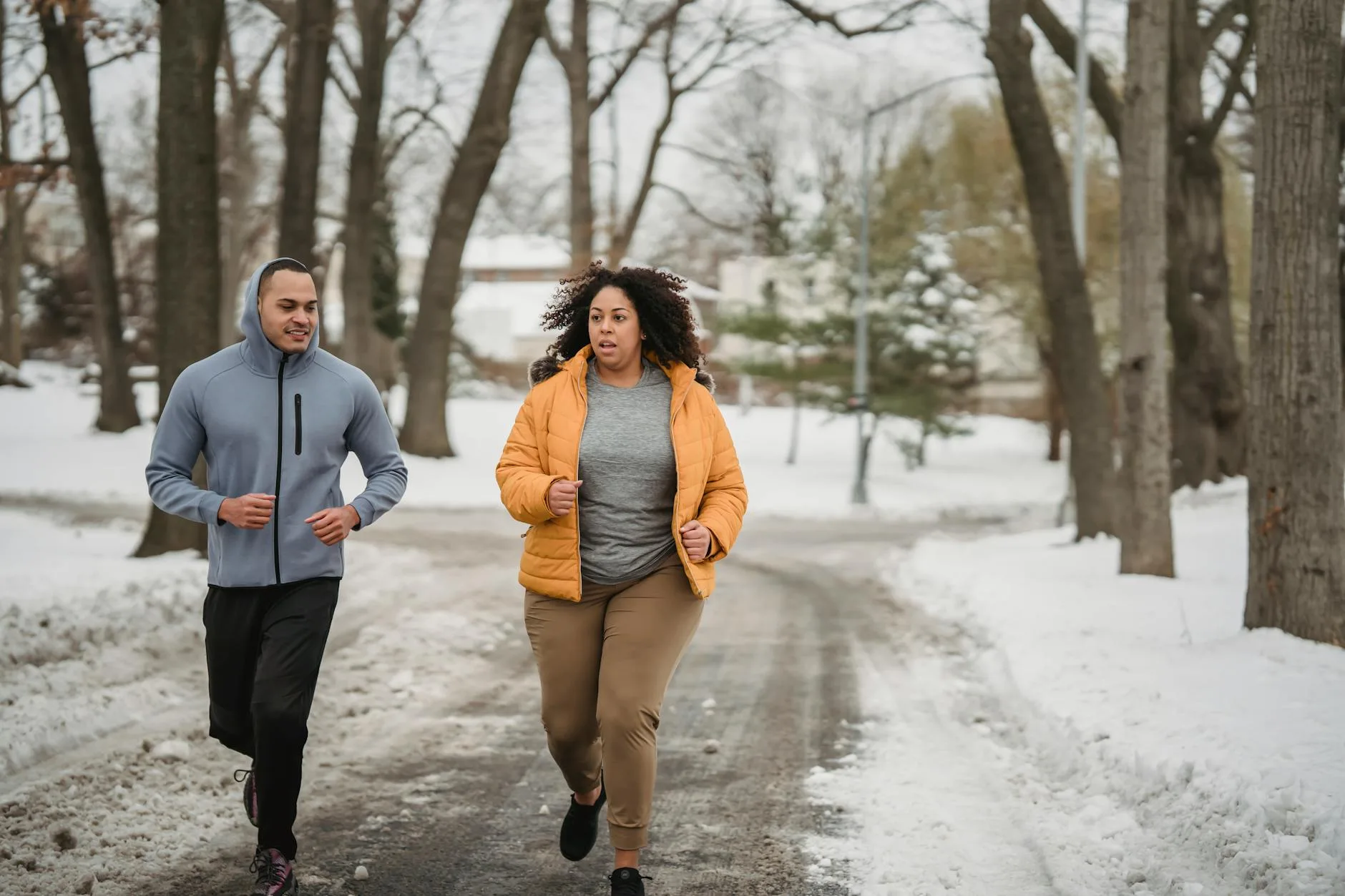
Layering System: Base, Mid and Outer
A base layer works best as part of a system. Understanding how the layers interact helps you dress correctly for any UK winter running condition.
Base Layer (Against Skin)
Moves moisture away from your body. Should never be cotton.
Mid Layer (Insulation)
Traps warm air and continues moving moisture outward. For running, a lightweight fleece or thermal long-sleeve is usually sufficient. Many runners skip the mid layer entirely in temperatures above 0°C because they generate enough body heat from running alone. You may also want to read How to Fuel a Marathon: Week-by-Week Nutrition Plan.
Outer Layer (Protection)
Shields you from wind and rain. A lightweight running jacket that is windproof and water-resistant (not fully waterproof — you need breathability) completes the system. Look for jackets with pit zips or mesh-backed ventilation.
The Runner’s Rule of Thumb
Dress as if it is 10°C warmer than the actual temperature. You will feel cold for the first 5-10 minutes and then warm up to comfortable. If you are warm when you step outside, you are overdressed and will overheat within a mile. This rule takes practice to trust, but it works.
Caring for Your Base Layers
Washing
- Synthetic: machine wash at 30°C with sports detergent. Standard detergent leaves residue that reduces wicking performance. Avoid fabric softener — it coats fibres and blocks moisture transfer.
- Merino: machine wash at 30°C on a wool cycle or hand wash. Use a wool-specific detergent (Nikwax Wool Wash or similar). Never tumble dry merino — it will shrink and felt.
Drying
Hang dry all base layers. Tumble drying is fine for synthetic at low heat but unnecessary — they dry within hours on a clothes rack. Never tumble dry merino.
Odour Management
- Synthetic: if odour builds up despite washing, soak in a white vinegar solution (1 part vinegar to 4 parts water) for 30 minutes before washing. Alternatively, use a sports-specific antibacterial soak.
- Merino: rarely needs odour treatment. Air out between wears and it stays fresh for 2-3 runs.
Replacement Schedule
- Synthetic: 2-3 years of regular use before wicking performance degrades noticeably
- Merino: 12-18 months before significant pilling and thinning. Higher-quality brands (Icebreaker, Smartwool) last longer than budget merino.
Common Base Layer Mistakes
Wearing Cotton Underneath
Some runners wear a cotton vest or t-shirt under their base layer “for comfort.” This completely defeats the purpose. The cotton absorbs moisture, holds it against your skin, and prevents the base layer above from doing its job. Base layer goes directly against skin. Nothing else underneath.
Buying Too Warm
UK winters rarely sustain temperatures below -5°C for most runners. A midweight (200+ GSM) merino base layer that feels cosy in the shop will have you overheating before the first mile is done. Start with lightweight (150-180 GSM) and only go heavier if you consistently run in sub-zero conditions or at very slow paces.
Ignoring the Arms
Short-sleeve base layers exist but are rarely the right choice for winter. Your arms lose heat rapidly and benefit enormously from coverage. Always choose long-sleeve for winter running. Half-zip necks add versatility — open the zip when climbing or working hard, close it in the wind.
Not Replacing When Worn
Base layers lose wicking performance over time as fibres degrade and residue builds up. If your 3-year-old synthetic base layer leaves you feeling damp despite still looking fine, it is time to replace it. The performance decline is gradual enough that you do not notice until you try a new one.
Frequently Asked Questions
Should I wear a base layer for every winter run? For any run below 5°C or lasting more than 45 minutes in cold conditions, yes. For short high-intensity sessions above 5°C, you might be fine with just a wicking running shirt. When in doubt, wear one — you can always unzip or push up the sleeves if you overheat.
Is merino wool itchy for running? Good quality merino (17-19 micron fibre diameter) is not itchy. It feels soft against skin, similar to a fine cotton. Cheaper merino with thicker fibres (above 20 microns) can feel scratchy. If you have tried merino before and found it uncomfortable, try a higher-quality brand — the difference is substantial.
How many base layers do I need for winter? Two is the minimum for a runner training 3-4 times per week — one to wear, one in the wash. Three gives you a comfortable rotation. If you only buy one, make it a lightweight synthetic for versatility. Add a merino layer as your second purchase for cold dry days.
Can I wear a base layer without anything over it? In mild conditions (8-12°C), an ultralight or lightweight base layer works as a standalone top. For colder conditions you will want a jacket over the top, but many runners find a base layer alone is sufficient for the first few cool weeks of autumn before true winter arrives.
Do expensive base layers make a real difference? Up to a point. The jump from a cotton t-shirt to a £20 synthetic base layer is enormous. The jump from a £20 synthetic to a £70 merino is noticeable but smaller. Beyond £80, you are paying for brand premium and marginal gains that most recreational runners will not notice.