It’s 6am, it’s November, and you’re standing at the front door in three layers wondering whether you’re going to freeze or overheat within the first mile. You’ve been here before — last time you wore too much and ended up carrying a jacket for 8km. The time before that you wore too little and couldn’t feel your fingers by the end. Getting layering right for cold weather running is one of those skills that sounds simple and takes a surprising number of wrong outfits to master.
In This Article
- The Golden Rule of Cold Weather Running
- The Three-Layer System Explained
- Base Layer: The Foundation
- Mid Layer: The Insulator
- Outer Layer: The Shield
- Layering by Temperature
- Legs, Hands, Head and Feet
- Common Layering Mistakes
- Fabric Guide: What Works and What Doesn’t
- Managing the Warm-Up Problem
- Frequently Asked Questions
The Golden Rule of Cold Weather Running
Dress as if it’s 10°C warmer than the actual temperature. This single rule prevents the most common layering mistake — overdressing because you feel cold standing still at the front door. Your body generates enormous heat when running. Within 10-15 minutes of steady effort, you’ll feel roughly 10°C warmer than the thermometer says.
Why This Works
At rest, your body produces about 80 watts of heat. Running at a moderate pace pushes that to 800-1,000 watts. That’s a tenfold increase. The first kilometre feels cold because your muscles haven’t warmed up and your circulation hasn’t adjusted. By the second kilometre, your core temperature is rising and you start to feel comfortable. By the third, you’re warm. If you dressed for how you felt at the front door, you’re now overheating and sweating into layers that can’t cope.
The Uncomfortable First 10 Minutes
According to the NHS guidance on safe running in winter, the initial discomfort of feeling slightly cold at the start of exercise is normal and expected. The key is accepting that discomfort is temporary — you should feel slightly underdressed when you step outside. If you’re comfortable standing still, you’re wearing too much.
The Three-Layer System Explained
The three-layer system isn’t rigid — you won’t always need all three layers. But understanding what each layer does helps you make the right decisions for every run.
How the Layers Work Together
- Base layer: sits against your skin and moves sweat away from your body to keep you dry
- Mid layer: traps warm air between fibres to insulate you
- Outer layer: blocks wind and rain from penetrating the inner layers
Each layer has a specific job, and they only work properly when the moisture management chain is unbroken. If your base layer pushes sweat outward but your outer layer traps it, you end up wet and cold. If your mid layer insulates but your base layer holds moisture against your skin, you get chilled when you slow down.
Base Layer: The Foundation
The base layer is the most important layer for cold weather running. Get this wrong and nothing else you wear on top will compensate.
What It Does
The base layer sits against your skin and wicks moisture away from your body. When you run, you sweat — even in freezing temperatures. If that sweat stays against your skin, it cools rapidly and pulls heat from your body. A good base layer transports sweat to the outer surface where it can evaporate, keeping your skin dry.
Best Materials
- Merino wool: the gold standard for cold weather base layers. Regulates temperature naturally, wicks moisture well, and — crucially — doesn’t smell even after several uses without washing. Icebreaker and Smartwool make excellent running-weight merino at around £50-70
- Synthetic (polyester blends): lighter, cheaper, and dries faster than merino. Nike Dri-FIT, Adidas AEROREADY, and Under Armour ColdGear are widely available from £20-35. The trade-off is they develop odour faster
- Bamboo blends: growing in popularity. Soft, naturally antimicrobial, and reasonably good at moisture management. BAM and Thought sell them in the UK from about £25-40
What to Avoid
- Cotton. This cannot be stressed enough. Cotton absorbs sweat, holds it against your skin, and takes forever to dry. Running in a cotton base layer in cold weather is genuinely dangerous — once you’re wet and you stop running (a traffic light, a stitch, the end of your run), your body temperature drops rapidly. After making this mistake once during a January 10-miler, the lesson stuck permanently
- Compression-only tops as base layers — they restrict breathing and can feel suffocating under additional layers
Fit
The base layer should fit snugly but not tight. It needs skin contact to wick properly — a loose base layer creates air pockets where sweat condenses and drips. But too tight restricts movement and breathing. Think fitted t-shirt, not compression garment.
Mid Layer: The Insulator
The mid layer traps body heat. You won’t need it for every cold run — in temperatures above 5°C, a base layer and outer shell often suffice. Below 5°C, the mid layer becomes important.
Best Options
- Lightweight fleece: a thin fleece half-zip (like the Decathlon Kalenji Warm or the Nike Therma-FIT) provides excellent warmth without bulk. Prices range from £20-45. The half-zip design lets you ventilate by unzipping when you heat up
- Thermal running top: purpose-designed mid layers with brushed-back interiors that trap warm air. Brands like Ronhill (Stride Thermal, about £40-50) make tops specifically for running — fitted enough to layer over a base and under a jacket without bunching
- Synthetic down vest: a lighter alternative for your torso. Keeps your core warm while leaving arms free for full movement. Useful for windy but dry conditions where a full jacket is too much
When to Skip It
- Above 5°C with no wind: base layer plus a windproof outer is usually enough
- Tempo runs and intervals: the higher intensity generates so much heat that a mid layer causes overheating, even in near-freezing temperatures
- Short runs under 30 minutes: your body doesn’t have time to get properly cold if your base layer and outer are right
Outer Layer: The Shield
The outer layer protects against wind and rain. For UK runners, this is the layer you’ll wear most often, because British winters deliver wind and drizzle more reliably than they deliver dry cold.
Windproof vs Waterproof
These serve different purposes, and most runners need one of each:
- Windproof jacket (softshell): blocks wind while remaining breathable. Lightweight, packable, and comfortable for most UK winter runs. Not waterproof — fine for light drizzle but not sustained rain. About £30-60 from running brands. This is the one you’ll reach for 80% of the time
- Waterproof jacket (hardshell): fully waterproof with taped seams. Essential for heavy rain but less breathable — you’ll overheat in it on dry days. Gore-Tex and eVent are the premium fabrics. Expect £80-150 for a decent running-specific waterproof. Our guide to waterproof running jackets covers what to look for in detail
Features That Matter
- Ventilation: pit zips (armpit vents) or mesh-backed panels that let heat escape during effort
- Reflective elements: essential for dark winter mornings and evenings. The more reflective detail, the better — UK winter means running in the dark
- Hood vs no hood: personal preference. Hoods keep rain off your face but can restrict peripheral vision. A cap underneath a hoodless jacket often works better
- Weight: if it weighs more than 200g, it’s too heavy for running. You want to forget you’re wearing it
Layering by Temperature
These are starting points based on running at a moderate, steady pace. Adjust based on wind, rain, effort level, and personal cold tolerance.
5-10°C (Cool)
- Base layer (long sleeve or short sleeve depending on wind)
- Windproof jacket
- Running tights or shorts with calf sleeves
- Lightweight gloves (optional)
This is the range where most UK runners overdress. At 8°C with no wind, a long-sleeve base and shorts is enough for most people once warmed up.
0-5°C (Cold)
- Long-sleeve base layer
- Lightweight mid layer OR windproof jacket (not both — pick based on whether the cold is from temperature or wind)
- Running tights — for recommendations, see our guide to the best running tights for winter
- Gloves
- Headband or lightweight beanie
-5 to 0°C (Very Cold)
- Long-sleeve base layer (merino preferred)
- Mid layer (fleece half-zip or thermal top)
- Windproof outer layer
- Thermal running tights (brushed interior)
- Gloves (thermal, not lightweight)
- Beanie covering ears
- Neck gaiter or buff for face protection on windy days
Below -5°C (Extreme — Rare in Most of the UK)
- Heavy base layer (merino 200-weight)
- Mid layer
- Waterproof and windproof outer
- Thermal tights with wind-blocking front panel
- Lobster-claw or mittens (warmer than fingered gloves)
- Balaclava or full face cover
- Double-layer socks
Most UK runners will rarely encounter temperatures below -5°C. If you do, consider whether the conditions are safe for running — icy surfaces are a bigger risk than cold air.
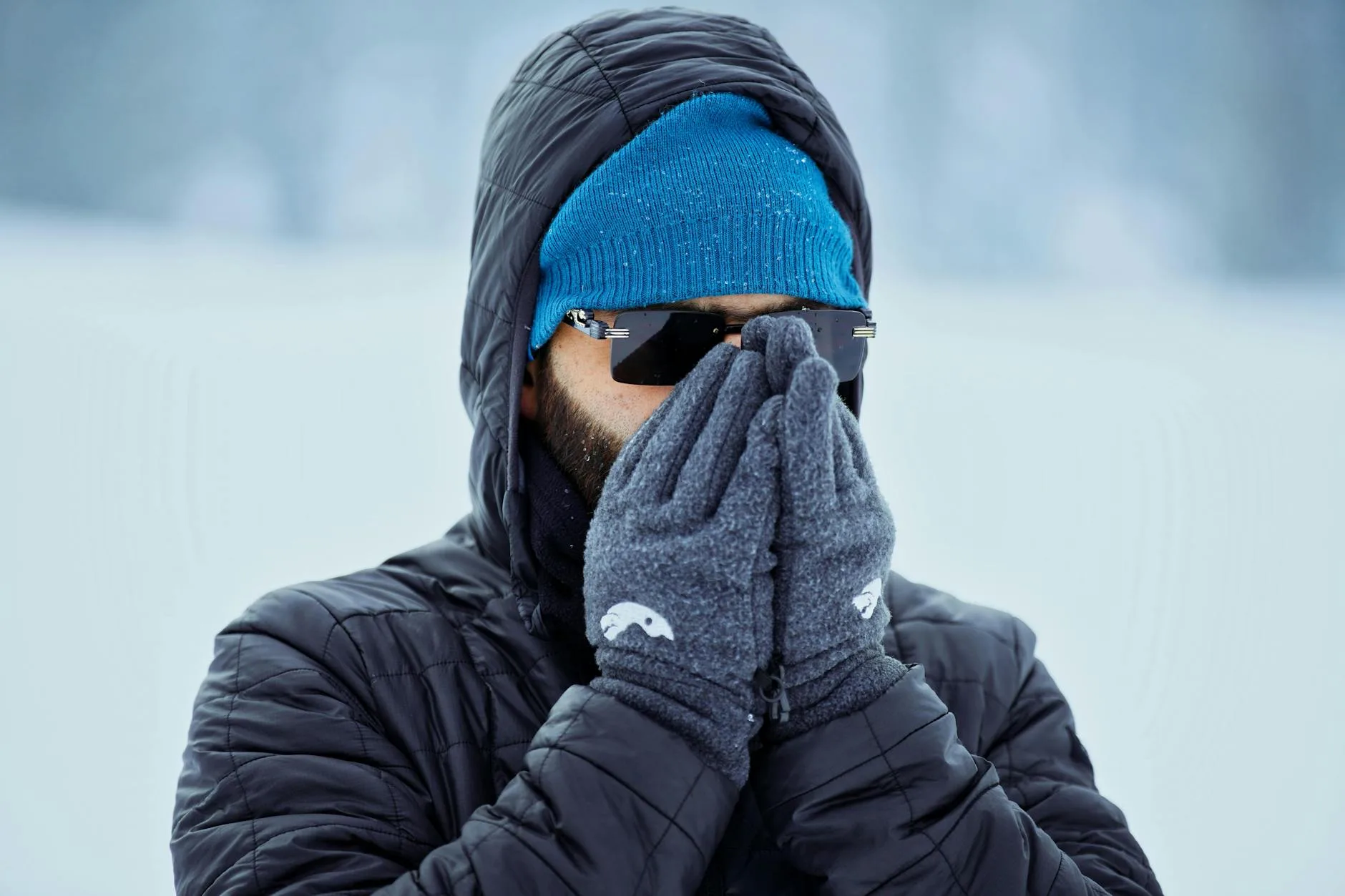
Legs, Hands, Head and Feet
Layering discussions usually focus on your torso, but extremities lose heat fastest and affect comfort disproportionately.
Legs
Legs generate more heat than your torso while running and need less insulation. Below 8°C, full-length tights replace shorts. Below 3°C, thermal tights with brushed interiors add warmth without bulk. Very few runners need to double-layer their legs — if your legs feel cold, your tights aren’t warm enough rather than needing a second pair underneath. For a related angle, see our Running in Hot Weather: Hydration and Safety guide.
Hands
Cold fingers ruin runs faster than anything else. From personal experience, forgetting gloves on a frosty morning turns a relaxed 10km into a miserable countdown to getting home. Layer options:
- 5-10°C: lightweight touchscreen gloves (about £8-15)
- 0-5°C: thermal running gloves with wind-blocking back (about £15-25)
- Below 0°C: lobster-claw mittens or convertible mitten-gloves for maximum warmth
Head and Neck
You lose heat through your head faster than most other body parts. A running headband that covers the ears (about £8-12) works from 0-5°C. Below 0°C, switch to a thin thermal beanie. A merino buff or neck gaiter protects your neck and can be pulled up over your chin and nose in wind — one of the most versatile cold weather running accessories at about £10-20.
Feet
Running socks for cold weather should be slightly thicker than summer socks but not so thick they change the fit of your shoes. Merino wool running socks (Darn Tough, Smartwool, about £15-20) provide insulation while wicking moisture. Avoid cotton socks entirely — wet cotton feet in cold weather is a recipe for blisters and misery. For general guidance on choosing the right running socks, we’ve covered the basics separately.
Common Layering Mistakes
Overdressing
The single most common mistake. If you’re comfortable when you walk out the door, you’re wearing too much. You should feel slightly cool — almost uncomfortably so. The 10°C rule exists because almost everyone overdresses until they learn not to.
Cotton Anywhere in the System
Cotton at any layer breaks the moisture management chain. A cotton t-shirt under a technical base layer still holds sweat against your skin. Cotton gloves get wet and stay wet. Cotton socks create a swamp inside your shoes. Technical fabrics exist for a reason — use them.
Not Adjusting for Intensity
An easy recovery run at 6:00/km pace generates far less heat than a threshold session at 4:30/km pace. The same outfit that’s perfect for easy running will leave you drenched during intervals. For hard sessions in cold weather, dress lighter than you think and accept being cold during the warm-up and cool-down.
Ignoring Wind Chill
A calm 3°C day feels very different from a windy 3°C day. Wind strips heat from your body far faster than still air. On windy days, prioritise a windproof outer over a thicker mid layer. Blocking the wind does more for warmth than adding insulation. Our How to Choose the Right Running Shoes guide is useful alongside this.
Dressing the Same Every Run
Your layering should change based on conditions, effort level, duration, and time of day. A pre-dawn 5km and a midday 15km on the same day might need completely different setups. Check the temperature, wind speed, and rain forecast before every run and adjust accordingly.
Fabric Guide: What Works and What Doesn’t
Works Well
- Merino wool: nature’s performance fabric. Temperature-regulating, odour-resistant, moisture-wicking. The only downside is cost and durability — merino wears out faster than synthetics
- Polyester: the workhorse synthetic. Wicks well, dries fast, durable, affordable. Most running clothing uses polyester as its primary fibre
- Polartec fleece: specifically designed for active insulation. Lightweight, breathable, and wicks moisture through the fabric. Used in quality mid layers
- Gore-Tex / eVent: premium waterproof-breathable membranes. Expensive but fully waterproof without completely blocking breathability
- Nylon blends: durable, wind-resistant, used in quality outer layers
Doesn’t Work
- Cotton: absorbs moisture, holds it, dries slowly, provides zero insulation when wet
- Denim: listed because people have actually run in jeans in winter. Don’t
- Heavy down: too warm, can’t handle sweat, collapses when wet. Down belongs on static activities like spectating, not running
- Standard waterproof cagoules: designed for walking, not running. They’re too heavy, not breathable enough, and the hood design blocks peripheral vision at pace

Managing the Warm-Up Problem
The hardest part of cold weather layering is the first 10-15 minutes when your body hasn’t generated enough heat to warm the layers. Here are strategies that help:
The Sacrifice Layer
Wear a cheap, lightweight layer on top that you can tie around your waist or stuff in a pocket once you warm up. An old long-sleeve technical top works perfectly — it blocks the initial chill without adding to your core layers. Having used this approach through three winters now, it’s the single best solution to the cold-start problem.
Dynamic Warm-Up Indoors
Do 5-10 minutes of dynamic stretching, bodyweight exercises, or light jogging on the spot before heading out. This raises your core temperature and gets blood flowing to your extremities before you face the cold. You’ll still feel a shock when you step outside, but it passes faster.
Plan Your Route
Start running into the wind if possible. This means the coldest part of your run is at the beginning when you’re most motivated, and you’ll have the wind at your back on the return when you’re tired and have less heat tolerance. Running into a headwind in the final kilometres of a long run, already fatigued and cooling down, is miserable.
Accept the Discomfort
Some of this comes down to mental toughness. The first 10 minutes of a cold run are uncomfortable. They always will be. Accepting that discomfort is part of the deal — and knowing it passes — makes it easier to get out the door.
Frequently Asked Questions
What temperature is too cold to run outside? There’s no absolute cutoff, but most UK runners should exercise caution below -10°C due to increased risk of breathing issues and ice on surfaces. Below -5°C, consider shortening your run and covering all exposed skin. The bigger risk in the UK is usually ice and wet conditions rather than extreme cold.
Should I wear more layers for longer runs? Not necessarily more layers, but potentially warmer ones. On runs over 90 minutes, you’ll slow down and generate less heat toward the end, so starting with a slightly warmer setup than a short run at the same temperature makes sense. A mid layer you wouldn’t need for a 5km becomes worthwhile on a 15km.
Is merino wool worth the extra cost for running? For base layers in cold weather, yes. Merino regulates temperature better than synthetics, doesn’t develop odour quickly, and feels comfortable against skin even when slightly damp. A quality merino base layer (£50-70) lasts 2-3 seasons and outperforms synthetic alternatives in temperatures below 5°C.
How do I stop my phone dying in cold weather? Cold drains batteries fast. Keep your phone in an inside pocket close to your body — your body heat keeps the battery warmer. A running vest with an internal phone pocket works well. If you rely on your phone for music or navigation, a small insulated case (about £10) makes a noticeable difference.
Should I change my layering for trail running vs road running? Trail running typically requires slightly warmer layering because you’re often more exposed (hills, open terrain) and may stop more often (navigation, technical descents). Always carry a packable waterproof layer on trails — weather changes faster at elevation and you may be far from shelter if conditions turn.