On a drizzly Sunday morning in Leeds, it is easy to glance at a GPS watch and wonder whether the optical sensor on your wrist is giving a true picture of effort. Runners often debate optical vs chest strap heart rate tracking, especially when chasing personal bests or working through structured plans. The differences show up most clearly in cold starts, sweaty intervals and runs where pacing needs to be precise.
For a fuller setup, pair the right sensor with a watch that supports the data you care about. Our guide to heart rate training zones explains what to do with the numbers, while GPS watch accuracy covers the distance side of the equation.
In This Article
- How Heart Rate Monitoring Works
- Optical Heart Rate Monitors Explained
- Chest Strap Heart Rate Monitors Explained
- Accuracy and Data Differences
- Comfort and Practical Considerations
- Training Implications and Usage Tips
- Integration with GPS Watches
- Price and Availability in the UK
- Which Type Suits Different Runners
- Frequently Asked Questions
How Heart Rate Monitoring Works
Heart rate monitors estimate beats per minute in one of two ways: by reading electrical signals from the heart, or by measuring blood-flow changes through the skin. This data helps runners track effort levels, recovery, and overall cardio performance. Many UK runners use heart rate zones—easy, aerobic, threshold, and maximum—to structure weekly runs. A long Sunday run may sit in Zone 2, while Tuesday intervals push to Zone 4.
Both types are trying to measure the same thing: each heartbeat. Chest straps read the heart’s small electrical pulse, while optical sensors rely on photoplethysmography (PPG)—light absorption patterns reflecting blood volume changes beneath the skin. This difference in approach partly explains variations in responsiveness during intense workouts.
The NHS physical activity guidance recognises that measuring intensity supports exercise consistency and can help avoid both undertraining and fatigue. For runners following structured training plans—like a sub-2-hour half marathon—heart rate monitoring bridges perceived exertion with measurable effort, helping runners establish sustainable paces.
Everyday Context in the UK
In the UK’s temperate climate, runners experience cold, damp mornings followed by humid summer evenings, and these shifts influence readings. On a frosty January track session in Manchester, for example, chest straps adhere better under layered kit, whereas optical sensors may struggle with cold-induced vasoconstriction (narrowing of blood vessels). Knowing those small quirks helps you trust the numbers more.
Optical Heart Rate Monitors Explained
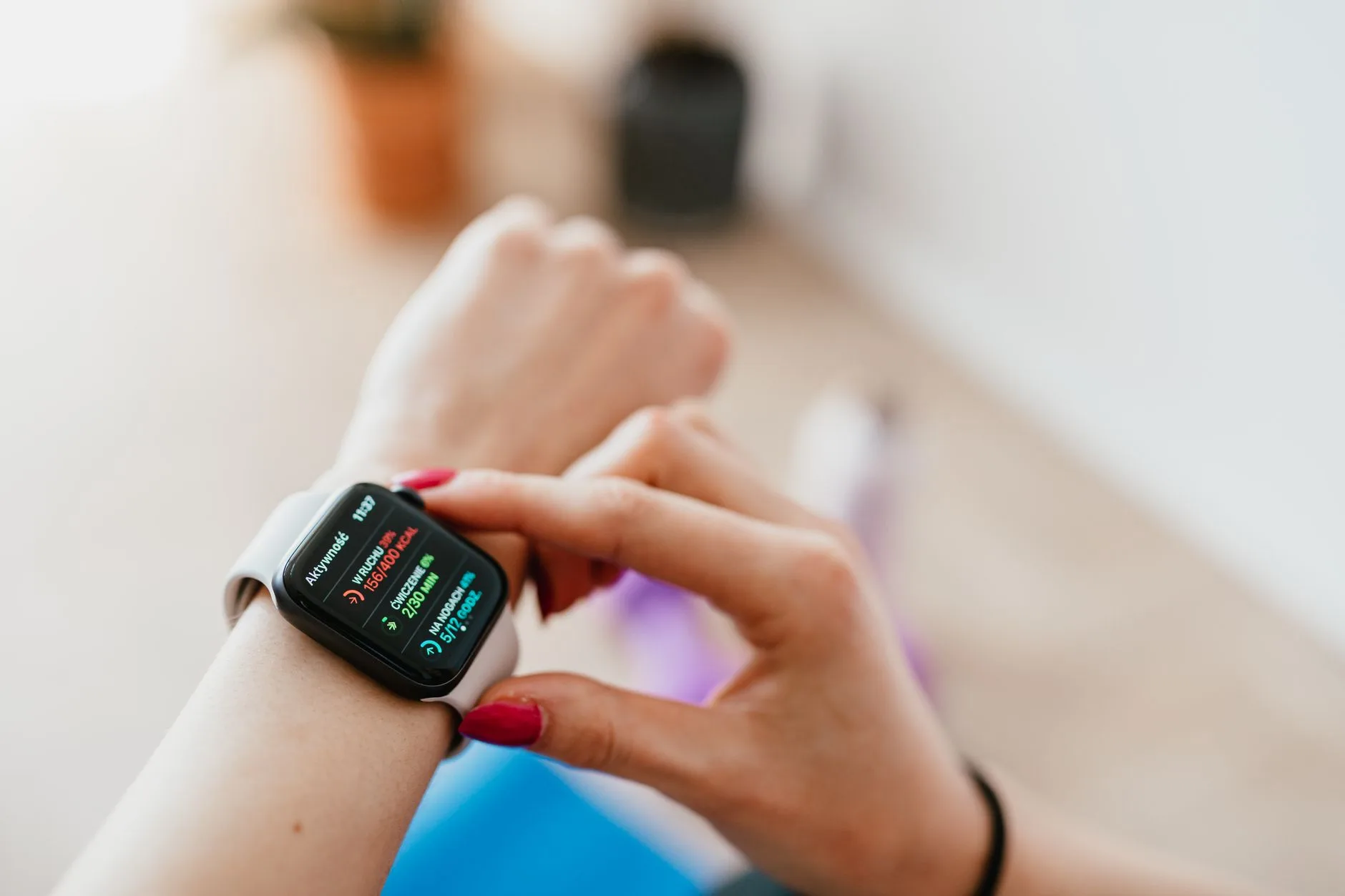
Optical sensors, often built into the underside of smartwatch cases, use small LED lights combined with photo diodes to detect changes in blood flow. These components typically flash at high frequencies. The absorbed and reflected light differs according to pulse rhythm, from which the device’s algorithm infers a heart rate.
Advantages
- Integrated into watches—no extra strap to wear.
- Track continuous heart rate through the day, ideal for recovery datasets.
- Comfortable for casual jogs, slower runs, and gym cross-training.
- Allow 24/7 heart rate monitoring to correlate sleep and stress data.
Disadvantages
- Accuracy may weaken during explosive movements (e.g., sprint finishes).
- Improper strap tension or wrist movement affects readings.
- Tattoos, arm hair, or strong outdoor light can introduce interference.
Use in UK Devices
Optical sensors are standard in Garmin Forerunner 265, Coros Pace 3, Polar Ignite 3, and Apple Watch Series 9—models commonly sold at chains such as Sweatshop and Jessops. The guide Best GPS Watches for Beginners 2026 UK lists several of these entry-level models ideal for hobby runners who value convenience. Fitbit’s PurePulse optical system similarly targets lifestyle tracking, linking with smartphone apps that analyse resting values for general wellness.
Typical UK Issues and Fixes
Rain is a common challenge. When raindrops break between the sensor and skin, readings can briefly spike. Securing the strap one hole tighter and wearing a moisture-wicking wristband underneath the watch tends to stabilise data. In cool weather, pre-warming the wrist with gloves or light activity for three minutes often eliminates low readings at the beginning of runs.
Chest Strap Heart Rate Monitors Explained
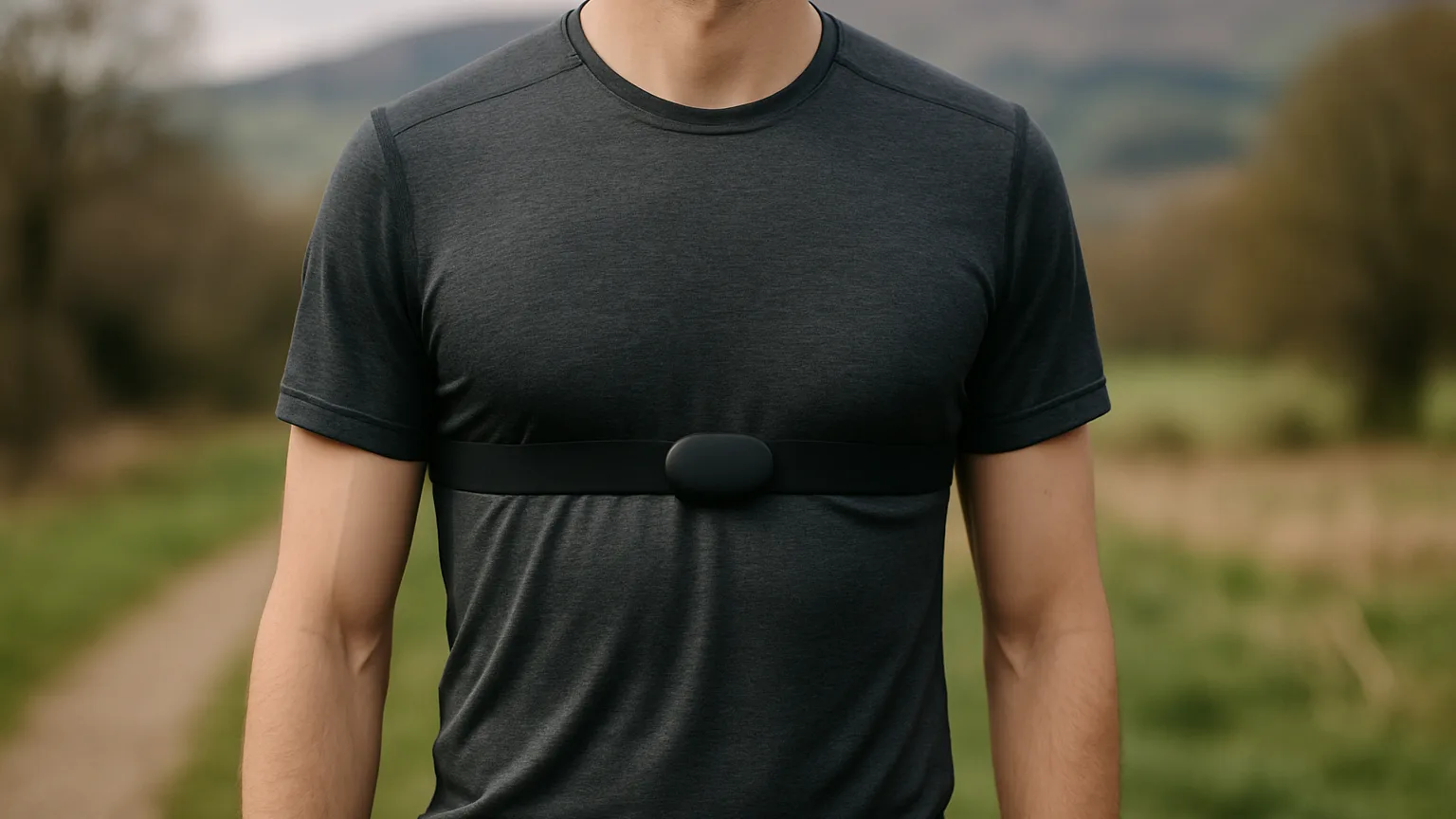
Chest straps are still the benchmark for heart rate accuracy. Typically worn just below the pectoral muscle, they use conductive electrodes that detect the heart’s electrical impulses (ECG readings). Bluetooth and ANT+ technology transmit that signal to compatible watches or apps.
Advantages
- Fast response when effort changes.
- Less disturbed by ambient temperature, tattoos, or wrist motion.
- Useful for coach-led threshold sessions and lab-style testing.
- Better than optical sensors for intervals, hill repeats and rapid pace changes.
Disadvantages
- Usually needs the contact pads wetted before the run.
- Can feel restrictive under layers and may chafe on marathon or ultra-distance runs.
- Battery eventually needs replacement (CR2032 commonly used).
Realistic UK Applications
Club athletes at Parkrun or British Athletics-affiliated sessions commonly adopt chest straps such as the Garmin HRM-Pro, Polar H10, or Wahoo TICKR. These pair with watches and apps, allowing coaches to compare intensity data across team members. In colder UK months, chest straps continue working efficiently when hidden under thermal baselayers, maintaining steady data even through mist or drizzle.
Long-distance runners building for the Manchester Marathon or Great North Run often switch to a chest strap for key sessions. That gives cleaner heart-rate variability (HRV) data when fatigue rises after consecutive long runs.
Accuracy and Data Differences
When assessing optical vs chest strap heart rate readings, differences typically appear under specific conditions rather than in all scenarios. During steady endurance runs, optical and chest strap averages can align within 3–5 beats per minute. However, short bursts, hill sprints, or track intervals show latency where optical sensors lag.
Reaction to Intensity Changes
- Chest Strap: Reacts almost instantly; displays accurate peaks within seconds.
- Optical Sensor: May need several seconds before stabilising around true max bpm.
- Impact: Slight delay renders optical-driven interval analysis less precise.
Environmental Sensitivity
- Cold skin, lotions, or sunscreen can interfere with optical sensors but rarely affect electrical readings.
- Heavy sweat under silicone straps may cause light scattering.
- Chest straps, however, can misread if connection points dry out mid-run; reapplying water resolves it.
Long-Run Consistency
For athletes targeting 20-mile long runs around Yorkshire trails, both systems deliver good consistency after the first mile. Optical sensors gradually align with actual heart rate once skin contact stabilises. Nevertheless, for advanced sessions involving heart rate-based pacing, chest strap data remains the gold standard for analysis tools such as TrainingPeaks and Garmin Connect.
Data Considered by Runners
UK coaches sometimes recommend dual recording: using optical sensors for overall fitness tracking and chest straps only for threshold verification sessions. Many running clubs, including England Athletics’ partner groups, integrate that method when teaching HR-based pacing.
Comfort and Practical Considerations
Comfort influences adherence. A device worn nearly every day must not irritate the skin. Optical systems win for overall convenience: no extra gadget, instant fitting, and better aesthetics for office wear. Chest straps deliver higher performance—yet require pre-run preparation.
Chafing and Skin Care
Some runners get red marks or rubbing from elastic straps on longer runs. To mitigate this:
- Wet the contact pads before fastening, or use a small amount of electrode gel.
- Wash the strap with mild soap weekly and air-dry—avoiding radiators which can degrade elasticity.
Conversely, optical sensors can leave impressions from compression if worn overly tight. The fit should be snug enough to block light leaks, but not so tight that it leaves deep marks. Rotating wrist position occasionally (top vs underside) prevents overexposure of one patch of skin.
Practical Layering in British Weather
With the UK’s unpredictable rain, layering for comfort matters. Under waterproof jackets, chest straps retain stable adhesion, whereas condensation under silicone wristbands may distort optical readings. Summer road races, however, reveal the optical advantage—one less strap simply feels cooler.
Training Implications and Usage Tips
For zone-based training, treat the watch or strap as a guide rather than a verdict on your fitness. The American Heart Association target heart-rate guidance gives broad ranges for moderate and vigorous activity, but runners still need to adjust for heat, tiredness, caffeine, stress and unusually hilly routes.
A practical way to use the data is to pair heart rate with feel:
- Easy runs: you should be able to speak in full sentences, even if the watch says the number is higher than expected.
- Tempo efforts: breathing should be controlled but focused, not a sprint disguised as discipline.
- Intervals: expect optical sensors to lag during short reps, which is where a chest strap earns its keep.
Heart rate-based training relies on discipline. Interpreting numbers within context avoids overreliance on gadgets. Comparing heart rate with perceived exertion builds smarter runners able to adjust when technology falters.
Setting Heart Rate Zones
- Measurement: Determine your estimated maximum heart rate using test protocols or age predicted values.
- Zone Calibration: Perform occasional threshold runs guided by a coach or running lab such as London’s InsideTracker Services or SweatLDN metabolic testing.
Zones can then classify training: easy runs (Zone 2) build aerobic endurance; tempo (Zone 3–4) helps you tolerate harder efforts.
Monitoring Recovery
Runners observing rising resting heart rate readings at dawn may detect early fatigue or infection. Consistent morning readings from a watch can help you spot when the workload is catching up with you. Some advanced watches combine HRV indices with temperature data to highlight recovery streaks.
Practical Running Guidance
- Use heart rate alerts during sessions to stay within target zones.
- Track weekly averages rather than each single outing.
- Always interpret anomalies: stray spikes after hill descents could stem from motion noise.
- Combine heart rate with pace and cadence metrics found in GPS watch dashboards.
For model comparisons, How to Choose a GPS Running Watch outlines compatibility lists and connectivity support—vital if considering upgrade paths across ecosystems (Garmin Connect vs Apple Health vs COROS App).
Advanced UK-Specific Strategies
Many UK marathon training groups, from Cardiff to Edinburgh, employ heart rate drift analysis. If your heart rate steadily rises across an unchanged pace run, dehydration or heat adaptation might be factors. Logging these effects across microcycles provides a realistic gauge of base fitness.
Integration with GPS Watches
Integration ensures the sensors complement run analytics. Premium multisport watches such as the Garmin Forerunner 965 or COROS Apex 2 Pro allow pairing with external chest straps via ANT+. More lifestyle-oriented watches, including Fitbit Charge 6, sync only through Bluetooth, sufficient for most.
Maintenance Tips
- Firmware updates via companion apps may rectify connection dropouts.
- Replace strap batteries at least annually; store spares (CR2032/L2032) in sealed packets.
- Rinse strap sensors after sweaty hill sessions to keep the contacts working for longer.
Poor pairing experiences in older watches often stem from outdated software or signal interference around urban Wi-Fi zones. Testing connection in open green parks, common across UK cities, reduces false pairing failures.
App and Platform Compatibility
- Garmin Connect: Unified for optical and ANT+ strap data.
- Polar Flow: Generates extensive cardiac load summaries, helpful for sustained training.
- Strava: Imports heart rate metrics regardless of source for social benchmarking.
- Apple Health: Consolidates daily recovery insights.
Example of Cross-App Utility
A UK-based trail runner might log a chest strap session to Strava while capturing optical-based sleep tracking via Apple Watch—both complementing a single overall recovery picture.
Price and Availability in the UK
One extra buying check is sensor compatibility. If you already own a Garmin, COROS, Polar, Suunto or Wahoo watch, confirm whether the strap broadcasts over Bluetooth, ANT+ or both before buying. A technically accurate strap is irritating if it will not pair cleanly with the watch or app you actually use.
The British market offers extensive options across budgets. Pricing often varies seasonally, with periodic Black Friday or Boxing Day sales.
Optical Heart Rate Devices
- Entry-level GPS watches: £100–£150 (e.g., Garmin Forerunner 55, Coros Pace 3).
- Mid-range inclusive smart features: £200–£350 (Polar Ignite 3, Apple Watch SE).
- High-end multisport wearables: £400+ (Garmin Epix, Suunto Vertical).
Chest Straps and Accessories
- Base models: £40–£60 (Polar H9, Wahoo TICKR).
- Advanced memory-equipped units: £70–£120 (Garmin HRM-Pro Plus).
Retailers and Aftercare
Most UK stores—Runner’s Need, Wiggle, and John Lewis—stock both categories. Wiggle typically offers accessory bundles with straps and extra batteries, while John Lewis provides extended warranties. Specialist apps like SportPursuit frequently run member-only price drops.
Budget-savvy users will find suitable pick-ups in Best Running Watches Under £200 2026 UK where reliability meets affordability. Buyers should always verify Bluetooth or ANT+ compatibility with current smartphones or watches before purchase to avoid returns.
Which Type Suits Different Runners
Choosing between optical and chest strap systems depends primarily on purpose and tolerance.
Beginners
Everyday joggers or Parkrun participants may prioritise ease of setup and general progress metrics. Optical systems suffice—just activate, wear, and run. These allow seamless daily tracking without remembering additional gear.
Intermediate or Club Runners
Those joining local athletics clubs or expanding to half marathons benefit from chest straps for accurate tempo pacing. Tracking threshold sessions helps prevent overexertion. Pairing chest straps with structured app plans on Garmin Connect or Polar Flow ensures precision.
Triathletes and Cross-Trainers
Multisport athletes gain from chest straps rated for water resistance (5 ATM or more), such as the Polar H10, which retains connectivity underwater for swim splits.
Casual Health-Focused Users
Optical wearables fit better for 24/7 lifestyle monitoring—recording resting heart rate, daily movement, and stress metrics. If you mainly want sleep, resting heart rate and general health trends, a watch is the easier setup.
Long-Term Maintenance Perspective
Optical watches occasionally require firmware refinements only, whereas chest straps occasionally need elastics replaced around the 18–24-month mark. Cost-of-ownership comparisons thus balance: slightly higher maintenance for chest straps against the fact that watches are usually replaced before the sensor itself fails.
Contextual Recommendation for UK Runners
For British winter base training, a chest strap is usually the safer bet. In spring and summer, optical wrist tracking is often convenient enough. Plenty of runners use both: watch-only for easy miles, chest strap for workouts where the data matters.
Frequently Asked Questions
Is a chest strap more accurate than an optical heart rate sensor? Chest straps usually read directly from the heart’s electrical impulses, providing more precise data during rapid intensity changes such as hill repeats or interval sprints.
Can I wear an optical sensor watch and chest strap at the same time? Yes, many watches automatically prioritise chest strap data when connected. This lets you save the strap for workouts while still using wrist tracking during the day.
Do tattoos interfere with wrist-based optical readings? Dark ink or shading can reduce light penetration, sometimes causing spikes or dips. Positioning the sensor on untattooed skin or tightening the strap gently can help stabilise readings.
How often should I replace the battery in a chest strap? Roughly every 6–12 months depending on the volume of sessions, or sooner if signal reliability drops.
Will heart rate tracking help improve my running pace? Structured heart rate monitoring refines pacing awareness, teaching steady effort that improves pacing discipline and helps protect recovery after harder sessions.
Are optical sensors reliable for marathon distances? Yes, as long as the watch fits well and conditions are fairly steady. Optical monitoring works well for consistent pacing over long efforts.