One chilly February morning, a runner can scroll through months of Strava or Garmin Connect data and still have no clear answer to a simple question: am I actually improving? Pace jumps around, distance varies, and feeling a bit fitter is useful but vague. That is where learning how to track running progress over time matters more than just racking up mileage without structure.
If you are still choosing the watch to do the tracking, start with our guide to running watches under £150 or compare how VO2 max and training load features actually work before paying more for advanced metrics.
In This Article
- Understanding Why Tracking Matters
- Selecting Your Tools
- Setting Realistic Baselines
- Measuring Key Running Metrics
- Using Your GPS Data Wisely
- Building a Consistent Tracking Habit
- Analysing Long-Term Trends
- Tracking and Rest Days
- Common Mistakes and How to Avoid Them
- Frequently Asked Questions
Understanding Why Tracking Matters
Consistency and context are at the heart of tracking progress. Many UK runners fall into the trap of believing that simply clocking up mileage equals improvement. Yet keeping records of pace, heart rate, cadence and perceived exertion builds a far clearer picture of performance and endurance growth. Even a modest jog along the Thames Path can feel tougher on one day than another purely due to the weather, stress or hydration levels. A simple log makes those outside factors easier to spot, so you can adjust the plan instead of blaming your fitness every time a run feels flat.
The NHS physical activity guidance suggests that adults aim for a minimum of 150 minutes of moderate or 75 minutes of vigorous exercise weekly. For new runners following a Couch-to-5K plan or similar, these benchmarks give the training a useful frame. By monitoring distance, pace, and effort, you can gauge how closely you align with these guidelines, making adjustment easier and reducing risk of overtraining.
Tracking adds a motivational layer too. Seeing progress in black and white helps. A slow improvement in average 5 km time across six weeks can sustain enthusiasm even through dreary November conditions or dark winter mornings when the sofa tempts more than the pavement.
Why small gains matter
Performance growth in running rarely appears overnight. Many newcomers mistake stalls or small regressions for failure. But in practice, running better over months relies more on sustainable heart-rate improvements, consistent cadence, and better recovery habits than dropping pace noticeably. A good log makes those smaller wins visible.
Selecting Your Tools
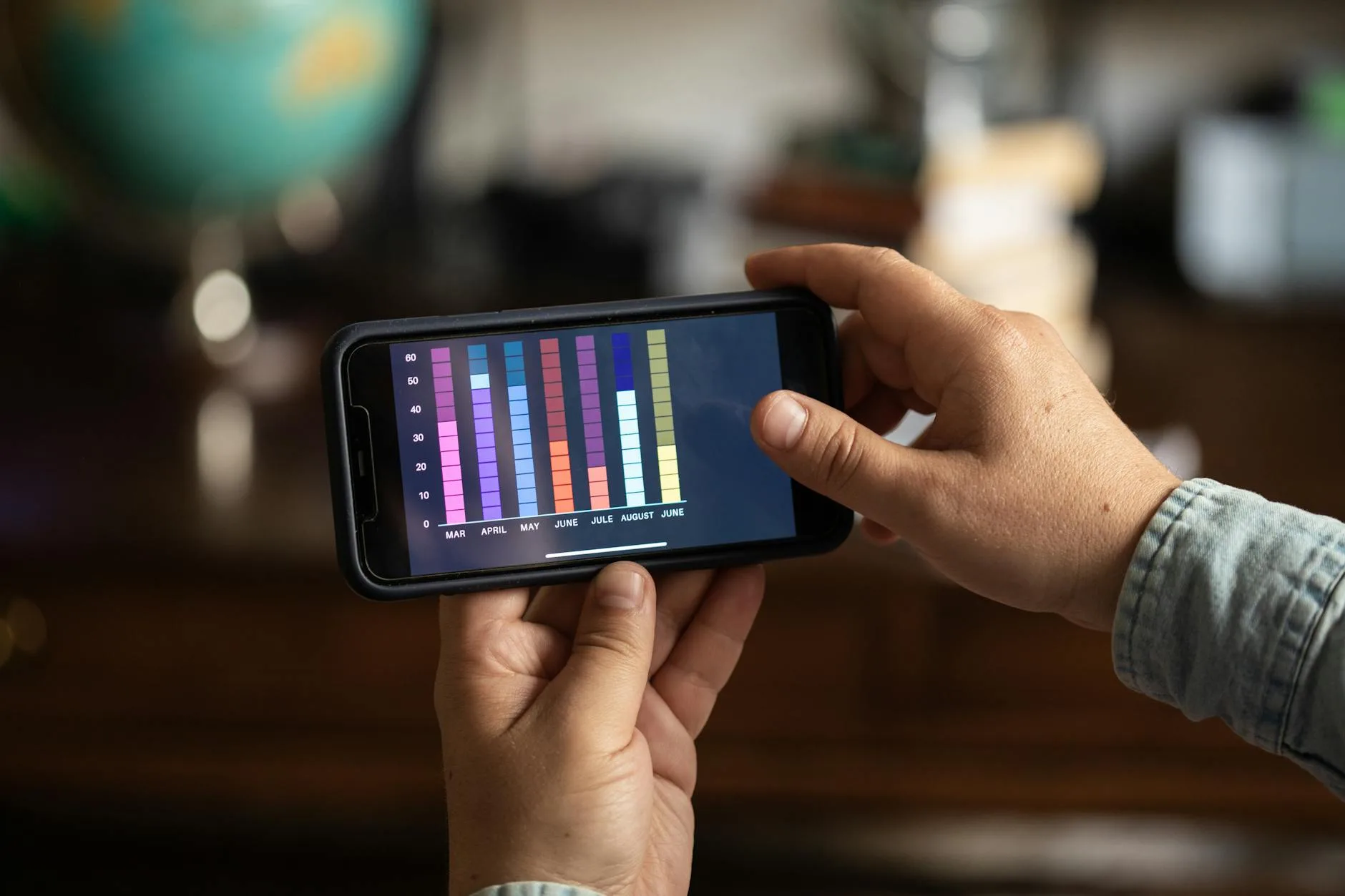
Start with a tool you will actually use every run. Basic smartphone apps—such as Strava, Nike Run Club or MapMyRun—offer precise GPS capabilities and social encouragement without extra expense. However, GPS running watches add enhanced features like wrist-based heart rate, pace zones, training load indicators, and structured workouts. If you are unsure whether the extra watch features are worth it, compare Best GPS Watches for Beginners 2026 UK or How to Choose a GPS Running Watch.
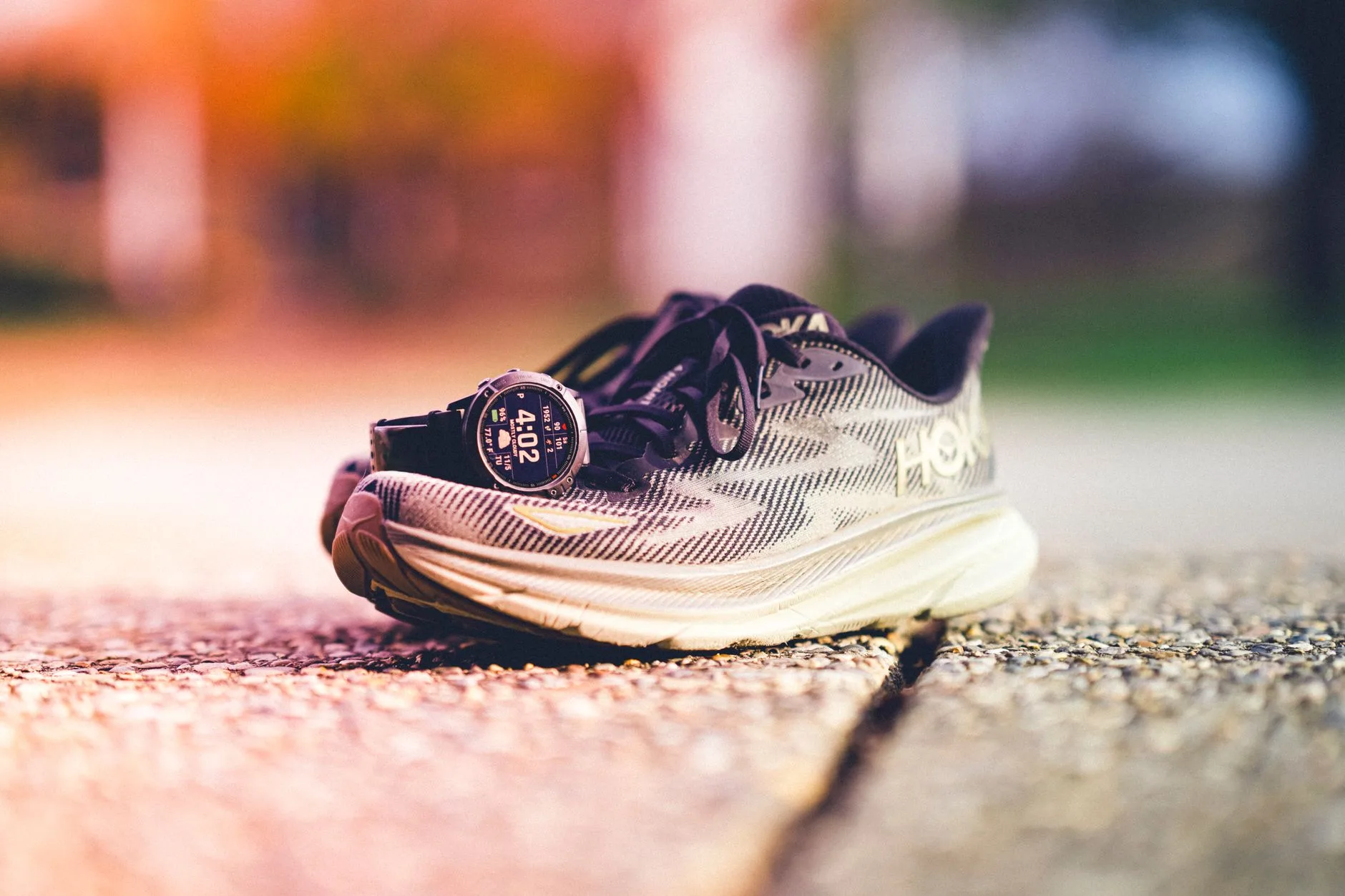
For most runners, a mid-range watch at around £120-200 is a practical compromise between precision and simplicity. Models in that range usually sync with Garmin Connect, Coros, Polar Flow or Strava, show heart-rate zones, and make it easier to spot which sessions are actually creating strain.
For those seeking affordable yet capable devices, the models mentioned in Best Running Watches Under £200 2026 UK are good examples of watches with reliable GPS, quick satellite lock and dashboards that do not overwhelm beginners. Many incorporate Glonass or Galileo systems alongside GPS to improve route consistency in dense London boroughs or rural wooded trails.
Useful features to prioritise
- Reliable GPS tracking and quick satellite lock.
- Screen readability under sunlight and rain.
- Auto-sync integrations with platforms.
- Heart-rate, pace alerts, and cadence data.
- Battery endurance exceeding your longest run durations.
Integration with daily life
Tracking tools should fit your routine without becoming another chore. Automatic data uploads mean no forgetting sessions. Sleep tracking adds context to your performance, revealing rest quality before speed sessions. A runner in Manchester during winter may benefit from models with glove-compatible buttons. Choose what supports comfort, not complexity.
Setting Realistic Baselines
If you are coming back from a break or starting from scratch, anchor the first month around repeatable easy running rather than heroic single efforts. The NHS Couch to 5K plan is a useful benchmark because it builds progress through regular sessions, not one-off tests.
Before setting ambitious goals, first understand your starting reference. A baseline gives you something fair to compare against later. A useful UK approach is to run the same 5 km park route, or a local Parkrun, once a month. The consistent environment and community atmosphere encourage balanced effort.
Steps for a strong baseline
- Select a fixed route with similar start and end elevation.
- Warm up similarly each time.
- Record average heart rate, total time, cadence, and perceived exertion using a scale of 1–10.
- Repeat under comparable weather and times of day to control for variables.
If you’re training on mixed terrain like the South Downs Way or city pavements, alternate test routes for each surface type. That keeps the comparison fair. Recording notes in a spreadsheet or your watch platform allows easy monthly comparison.
Frequency and caution
Reassess once every four to six weeks for meaningful patterns. Testing too often can mask actual endurance improvements under short-term fatigue. Rest properly before a baseline test too, or you are measuring tiredness rather than fitness.
Measuring Key Running Metrics
Running apps can throw too many numbers at you. Focus on five useful numbers and ignore the rest until you need them.
Pace and Splits
Average pace (min/km) remains a simple but effective indicator. Reviewing splits alerts you to pacing discipline issues. For instance, on a 10 km course in Birmingham, a first-half surge followed by a drastic slowdown indicates pacing inconsistency; working toward even splits signals improvement.
Distance and Duration
Monitoring your cumulative distance per week offers perspective on training load. Runners following half-marathon plans often aim to increase weekly mileage by no more than 10% to prevent overload. Tracking duration alongside helps – 60 minutes of hilly terrain may take the same effort as 80 minutes of flat mileage.
Heart-Rate Zones
Heart-rate monitoring helps separate recovery runs, aerobic work, tempo efforts and harder sessions. Most watches estimate zones from maximum heart rate, often using age as a starting point. If too many ordinary runs land in the higher zones, it is usually a sign to slow down, sleep more, or add an easier day.
Cadence and Stride Length
Elite runners usually maintain 170–180 steps per minute. Beginners can analyse cadence shifts on platforms like Garmin Connect, highlighting progress in running economy. Shorter, quicker steps lower joint impact and encourage consistency, particularly important on uneven British surfaces like canal paths.
Perceived Effort and Mood
Besides numerical data, subjective sensations reveal much. Recording energy level and motivation after each run, even via emoji or brief comment, later proves invaluable for identifying triggers of top or poor performances. UK weather variety reinforces this need—a windy coastal run in Brighton may naturally elevate perceived effort with minimal effect on conditioning.
Using Your GPS Data Wisely
GPS data is useful, but it can fool you if you read too much into one run. To avoid confusion:
- Examine averages across longer time frames like monthly summaries.
- Annotate context including nutrition, sleep, and shoe condition.
- Adjust for environment—dense London blocks or Scottish glens may distort accuracy temporarily.
Cross-referencing with mapping tools
Free online services like GPX Studio or OS Maps ensure calibration of route distance. If your recorded 10 km run repeatedly reads 9.7 km, adjusting reference files prevents inflated pace accuracy illusions.
Tracking terrain and elevation
Modern platforms display elevation gain. Repeated hill reps in the Lake District will distort overall average pace yet represent higher intensity. Categorising terrain types (‘trail’, ‘road’, ‘coastal’) preserves clarity in comparisons.
Seasonal variations
Winter data often shows slower paces due to slippery pavements or heavy clothing. Instead of seeing decline, compare same seasons year to year. Noticing a faster pace under identical winter conditions next year signals genuine improvement.
Building a Consistent Tracking Habit
The log only works if it is consistent. Logging every outing, even 20-minute recovery jogs through drizzle, builds a record you can trust.
Habit-building strategy
- Upload data immediately post-run.
- Schedule weekly five-minute summary reviews.
- Backup weekly through cloud platforms ensuring data safety.
If injuries occur, maintain some log entries describing rest and cross-training such as swimming or strength sessions. Including these clarifies continuity rather than blank gaps.
Motivation through mini-goals
Set micro targets: consecutive days tracked or hitting 100 km in a month. Reward progress—perhaps new moisture-wicking socks from a UK brand like Ronhill. Small rewards help the habit survive past the January motivation spike.
Overcoming low-motivation periods
During colder months or recovery phases, reduce tracking strictness instead of halting completely. For example, note duration without concerning over pace data. That ensures continuity without pressure. Missed data lessens long-term pattern reliability.
Analysing Long-Term Trends
The useful bit is turning numbers into decisions.
Step 1: Compare compatible sessions
Contrast efforts on similar terrain and weather. Rural trail times cannot fairly compare with inner-city asphalt. Segment data into categories for realistic review.
Step 2: Move averages for accuracy
Creating three-month rolling averages flattens anomalies. A brief virus spell or heatwave will not make the whole picture look worse than it is. Spreadsheet tools such as Google Sheets pivot tables or Runnalyze visual dashboards make this simple.
Step 3: Spot plateau phases
Over months, performance may stagnate. If your average 10 km time or resting heart rate remains static for over six weeks, adjust training stimulus—longer long runs, added hill intervals or technique drills. Before adding more intensity, check recovery first. A plateau can mean your body is adapting, not that you are going backwards.
Case example
A club runner from Leeds reviewing six-month graphs might find average training heart rate decreasing by 6 bpm while pace holds steady. That reveals efficiency gain without conscious speedwork—a silent success easily missed without data archiving.
Interpreting anomalies
Occasional outliers, like sudden poor runs, should trigger analysis not frustration. Reflect on lifestyle factors—hydration, nutrition, or stress. One slow run doesn’t define regression; ten consistent improvements over months do.
Tracking and Rest Days
Rest measurement deepens understanding of the full performance cycle.
Recording recovery
Modern wearables, even budget ones, track heart-rate variability (HRV), sleep stages and step count. Observing increased resting heart rate may indicate illness onset—valuable feedback to adjust schedule. Log walks, mobility work or strength sessions too, rather than forcing another tired run.
Importance of rest ratios
Most runners should keep at least one real rest day each week, especially when mileage starts rising. Monitoring resting heart rate and step volume on those days ensures actual rest rather than disguised activity overload. Many apps allow tagging ‘rest’ as an activity, keeping the timeline complete.
Balance between training and rest
Using metrics like Training Stress Scores (TSS) or form charts—available on platforms such as TrainingPeaks—illustrates cumulative fatigue and readiness. Beginner runners should focus less on chasing upward graphs and more on maintaining oscillating yet positive trends, where recovery equals resilience gain.
Common Mistakes and How to Avoid Them
Monitoring progress involves pitfalls that distort progress perception.
Pitfall 1: Over-analysing short-term noise
Day-to-day fluctuations reflect hydration, sleep, or mood, not decline. Evaluate at macro levels only—a fortnights’ averages at minimum.
Pitfall 2: Neglecting recovery entries
Failing to log rest days erases a crucial factor from overall assessment. Overtraining may hide behind incomplete datasets.
Pitfall 3: Changing multiple inputs simultaneously
Changing shoes, diet and route at the same time makes it hard to know what helped. Change one thing per training block.
Pitfall 4: Ignoring subjective context
A 4:50/km average might feel easy one week, exhausting next. A short note like “felt smooth early, heavy after late dinner” makes the numbers much more useful later.
Pitfall 5: Misaligned goals
Tracking success purely by speed discounts endurance or consistency. Track weekly frequency and enjoyment too, because those are often what keep you running.
Good tracking should help the running, not take the fun out of it.
Frequently Asked Questions
How often should I track my running progress over time? Weekly summaries work best. Updating data at shorter intervals may exaggerate natural fluctuations, making real progress harder to see. Reviewing after every run is fine for logging but evaluating less frequently keeps perspective.
Can beginners track without expensive gear? Smartphone GPS accuracy is usually sufficient across the UK network. A dedicated watch mainly adds convenience, better buttons in wet weather and easier heart-rate tracking. For casual runners, the accuracy jump is usually modest.
What’s the most reliable metric for seeing improvement? Average pace on a fixed route or Parkrun course stands out for simplicity. Over time, monitor heart-rate at that pace—reduction reflects improved aerobic capacity.
How can I stop becoming obsessed with statistics? Allocate review days, perhaps Sundays only, and intentionally log a few unmeasured leisure runs. Focusing on enjoyment rather than numbers ensures longevity.
Do weather conditions affect my readings? Yes. UK wind, rain and summer humidity can all change effort. Always note conditions beside performance data to distinguish external factors from fitness change.