You are ten minutes from leaving for a wet Saturday parkrun, standing in the hall with one pair of loose gym shorts, one pair with a built-in liner that feels a bit tight, and a forecast that says wind, drizzle and 9°C. The wrong choice will not ruin your run, but it can leave you pulling at the waistband, worrying about your phone bouncing, or dealing with thigh chafing by the second lap.
In This Article
- Quick Answer: How to Choose Running Shorts
- Why Running Shorts Matter
- Step 1: Pick the Right Short Length
- Step 2: Get the Fit Right at the Waist and Thigh
- Step 3: Decide Between Lined and Unlined Shorts
- Step 4: Choose Fabric, Storage and Weather Features
- Step 5: Match Your Shorts to the Run
- Common Mistakes When Buying Running Shorts
- Simple Try-On and Setup Checklist
- Care, Replacement and Budget
- Frequently Asked Questions
Quick Answer: How to Choose Running Shorts
If you want the short version of how to choose running shorts, start with the run you do most often. For steady road running, a 5-inch to 7-inch short with a secure waistband, light fabric and a brief or boxer-style liner suits many UK runners. For speedwork and racing, shorter split shorts or lightweight 3-inch to 5-inch shorts feel less restrictive. For trail running or long weekend runs, choose more coverage, better pockets and a liner that prevents rubbing.
The best running shorts are not the ones with the most features. They are the pair you forget about after the first kilometre. They stay up without being tight, let your stride open naturally, handle sweat and rain, and keep seams away from high-friction areas.
As a practical buying rule, I would choose comfort and waistband security before colour, brand or tiny weight savings. A beautiful pair of shorts that slips down with a phone in the back pocket will not be used for long runs.
A dependable first pair for most runners is:
- 5-inch or 7-inch inseam, depending on preferred coverage
- Lightweight recycled polyester or nylon with some stretch
- Built-in liner if you prefer not to wear separate underwear
- Internal drawcord or secure elasticated waistband
- One zipped rear pocket for keys, card or a small phone
- Flat seams and soft inner edges to reduce rubbing
If you are building a full kit rather than buying one item, pair this advice with How to Choose the Right Running Clothing so your shorts work with your tops, socks, jacket and base layers.
Why Running Shorts Matter
Running shorts look simple, but they sit at the centre of comfort, movement and heat management. Your legs repeat the same motion thousands of times on a normal run. Small fit problems become big annoyances because each stride repeats the same friction, bounce or tug.
Shorts also affect confidence. If the liner rides up, the waistband digs in, or the fabric clings when wet, you may cut a route short or avoid faster efforts. Good shorts make running feel less fussy. You should be able to warm up, run, stretch and travel home without thinking about them every few minutes.
Running is also part of wider health and fitness for many people. The NHS physical activity guidance recommends regular weekly activity for adults, and comfortable kit removes one small barrier to getting out consistently. You do not need premium clothing to run, but you do need clothing that does not distract or irritate.
Comfort is more than softness
Soft fabric helps, but running comfort depends on the whole garment. Waistband height, seam position, liner shape, leg opening and pocket placement all matter. A short can feel pleasant in your hand yet still rub after 30 minutes.
Runners often notice waistband problems first. A band that feels fine in the changing room can creep down once a phone, gel or keys are added. On the other hand, a tight band can feel restrictive after food, hills or warm weather.
Shorts influence your stride
A runner with a compact stride may be happy in longer shorts. A runner with a higher knee lift, wider gait or faster pace may prefer shorter side seams, split hems or stretch woven fabric. If fabric catches across the thigh, you may shorten your stride without realising.
This is one reason many experienced runners keep more than one style. The short used for an easy 5K around town may not be the same as the one chosen for intervals, hill reps or a summer 10K race.
Step 1: Pick the Right Short Length
Short length is usually described by inseam: the distance from the crotch seam to the hem. Common running short lengths are 3-inch, 5-inch, 7-inch and 9-inch. The right length is a mix of comfort, coverage, body shape, pace and personal preference.
There is no moral victory in wearing the shortest shorts possible. The right length is the one that lets you run freely without feeling exposed, restricted or overheated.
3-inch shorts
Three-inch shorts are common for racing, track sessions and runners who want maximum leg movement. They are often cut with side splits and very light fabric. They dry quickly and feel minimal.
They can be less practical for carrying items and may feel too revealing for some runners, especially in busy parks or on mixed run-commute routes. If you are new to shorter shorts, try them first on a familiar route rather than on race day.
5-inch shorts
Five-inch shorts are a popular middle ground. They allow a free stride but give more coverage than classic racing splits. Many runners use them for daily training, parkrun, gym sessions and summer road runs.
In my view, 5-inch shorts are the safest starting point if you want one pair that feels like proper running kit without feeling too minimal. They work for a wide range of speeds and body types.
7-inch shorts
Seven-inch shorts offer more coverage and often more storage. They suit easy runs, longer road miles, trail routes and runners who prefer a modest look. They can also feel better in cooler UK conditions, especially with a light wind.
The trade-off is that longer fabric can brush the thigh or restrict high knee lift if the cut is narrow. Look for stretch panels, side vents or a slightly wider leg opening.
9-inch shorts and longer
Nine-inch shorts are closer to general gym shorts. Some runners like the coverage, particularly for walking-to-running plans, gym-to-road sessions or run commuting. They can work well if the fabric is light and the cut is made for running.
Be careful with heavy cotton-rich gym shorts at this length. They absorb sweat, cling in rain and can become heavy. If you want longer coverage, choose technical running fabric rather than casual jersey.
How body shape affects length
Runners with larger thighs may prefer either short split styles that avoid fabric bunching or longer half-tights that stop thigh-on-thigh rubbing. Mid-length loose shorts can sometimes sit in the worst zone, where the hem repeatedly catches the upper thigh.
Taller runners may find a 5-inch short looks and feels very short, while shorter runners may find 7-inch shorts behave like long gym shorts. Use the inseam as a guide, not a rule.
Step 2: Get the Fit Right at the Waist and Thigh
Fit is where many running short purchases go wrong. People often size by everyday clothing, then discover that running movement changes everything. Shorts need to stay secure through bouncing, sweating, bending, sprinting and phone storage.
A good fit should feel stable without pressure. You should be able to breathe deeply, bend forward, perform a few high knees and jog on the spot without the waistband rolling or the legs riding up.
Waistband fit
The waistband should sit where you prefer to run: on the hips, just below the waist, or higher on the waist. None is automatically better, but the short should be designed for that position.
Look for an internal or external drawcord. Elastic alone can work for short, phone-free runs, but a drawcord helps once pockets are loaded or fabric becomes wet. A flat drawcord is usually more comfortable than a chunky round cord that creates pressure under a running belt.
The band should not leave deep marks after a short try-on. Slight compression is normal; digging is not. If you are between sizes, think about what you carry. A larger size may feel nice in the shop, but a smaller size with a reliable drawcord may be more secure for long runs. The opposite is true if the smaller size pinches when seated or climbing hills.
Thigh and leg opening
The leg opening needs enough room for your stride. Stand with feet hip-width apart, then lift one knee as if stepping over a low gate. If the fabric pulls tightly across the front of the thigh, the cut may be too narrow.
For loose shorts, check whether the hem flares slightly or includes side vents. For half-tights or 2-in-1 shorts, check the gripper or hem edge. It should stay in place without feeling like a tourniquet.
Rise and crotch seam
Rise is the distance from waistband to crotch. Too low, and the shorts may pull when you climb or sprint. Too high, and the waistband can sit awkwardly on the stomach.
The crotch seam should not create pressure or rub. Flat seams are helpful, but placement matters as much as seam style. If the seam sits exactly where your thighs meet, consider a different cut or a longer liner.
Step 3: Decide Between Lined and Unlined Shorts
The liner is one of the most personal parts of choosing running shorts. Some runners love built-in support. Others cut liners out and wear their preferred underwear. The best option depends on comfort, support, washing habits and chafing risk.
Lined running shorts are designed to be worn without underwear. Adding underwear beneath a liner can create extra seams and heat, though some runners still do it for comfort. Unlined shorts require suitable underwear or a separate base layer.
Brief liner
A brief liner is the classic inner. It gives support with minimal fabric and dries quickly. It is common in racing and everyday running shorts.
A good brief liner should hold everything in place without squeezing. The edges should be soft and should not saw into the groin or inner thigh. If the leg elastic feels sharp when standing still, it will probably feel worse after several miles.
Boxer or compression liner
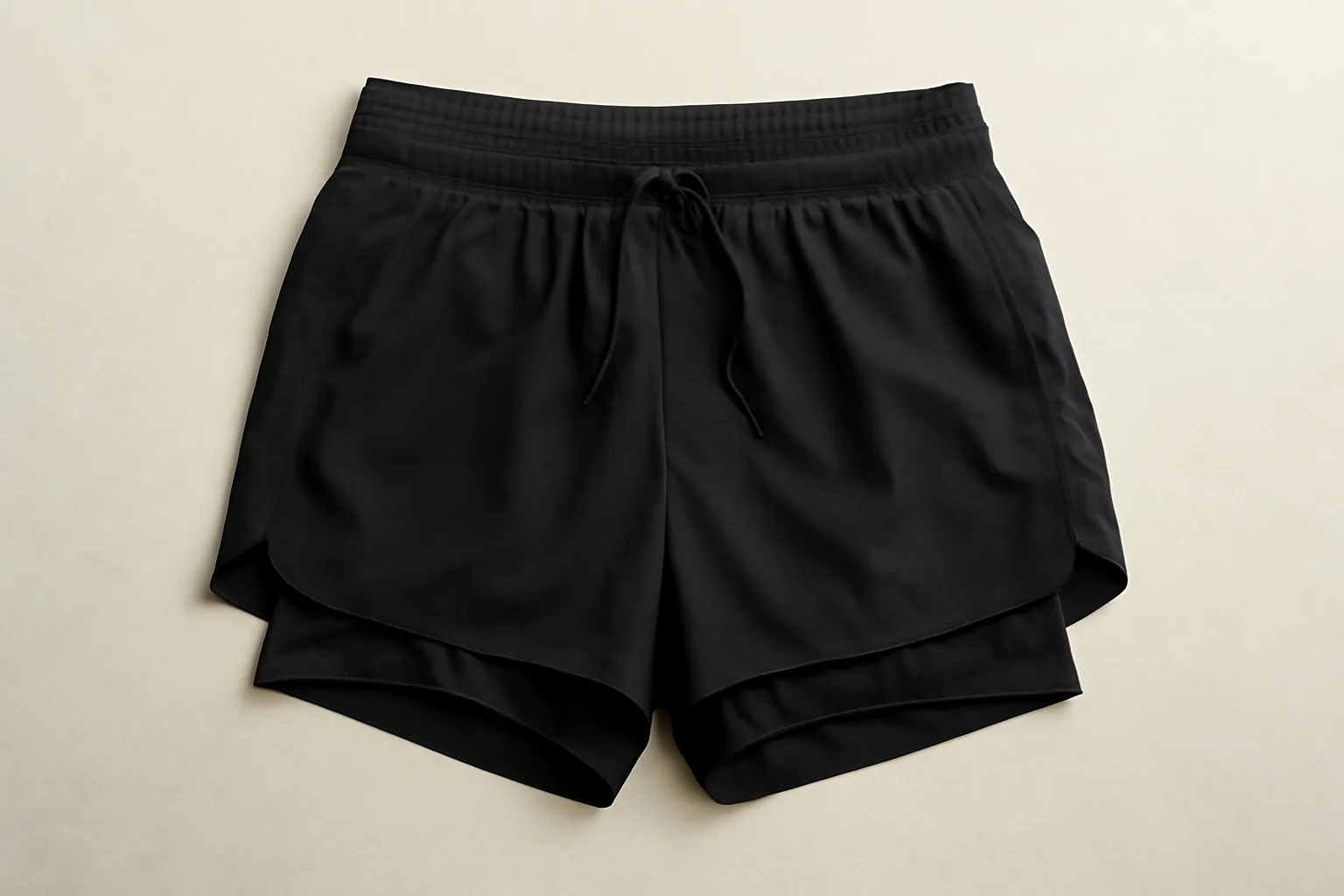
A boxer-style liner gives more coverage down the thigh. It can reduce chafing, especially for runners whose thighs touch or who run longer distances. This style is common in 2-in-1 shorts, where a tighter inner short sits beneath a loose outer shell.
The key detail is inner length. If the liner is too short, it may roll up. If it is too long under a loose outer, it may feel warm. A liner that finishes just below the main friction point tends to work well.
Unlined shorts
Unlined shorts are flexible because you choose your own underwear, sports brief, compression short or base layer. They can be useful if you have a favourite anti-chafe setup already.
The downside is laundry and layering. Two separate garments can create more heat and more seams. Still, for runners prone to irritation, the ability to control the inner layer is valuable.
Chafing and skin protection
Chafing is caused by friction, moisture and repeated movement. It often appears on inner thighs, groin, waistband areas and anywhere seams rub. The MedlinePlus chafing advice gives a useful medical overview of skin irritation and prevention basics.
For running shorts, prevention usually means choosing smooth seams, a liner that does not shift, fabric that dries quickly, and enough coverage at the friction point. Anti-chafe balm can help on long runs, warm days or wet routes.
If you often finish runs with sore skin, do not keep blaming yourself or your body shape. It is usually a kit mismatch. A longer liner, different seam layout or half-tight style may solve the issue.
Step 4: Choose Fabric, Storage and Weather Features
UK running kit has to cope with mild drizzle, sudden sun, cold wind, humid summer evenings and muddy paths. Shorts do not need to be waterproof, but the fabric should manage sweat and light rain well.
Most running shorts use polyester or nylon because these fibres dry faster than cotton. Elastane or spandex adds stretch. Some shorts include recycled materials, which can be a good choice if comfort and durability are still there.
Fabric feel and weight
Light woven fabric is common for loose running shorts. It moves well and dries quickly. Stretch woven fabric costs a bit more but can feel better for larger strides, hills and trail running.
Knitted fabric, like jersey, feels soft but can hold more moisture. It may work for short easy runs, yet it is not ideal for long wet sessions.
Avoid heavy cotton shorts for regular running. Cotton absorbs sweat, becomes cold in wind and may rub once damp. This matters in the UK, where a run can start dry and end in rain even in May.
Pockets that work while running
Pockets are useful only if they stop bounce. A deep open pocket may be fine for walking but poor for running. A zipped rear pocket at the centre of the waistband is often the most stable place for keys or a card.
Phone storage is trickier. Large phones can pull shorts down unless the waistband is firm and the pocket sits close to the body. If you carry a phone on every run, test this before removing tags.
Useful storage features include:
- Zipped rear pocket for keys, card or a small phone
- Internal key loop to stop keys moving around
- Side gel pockets for longer runs
- Drop-in waistband pockets for soft items
- Water-resistant pocket lining for sweat protection
For long runs, a running belt or vest may still be better than overloading shorts. The more weight you add, the more you ask of the waistband.
Reflective details
Reflective logos or strips help with visibility in low light, but they are not a full safety solution. Shorts sit low on the body and may be hidden by a jacket. In winter or on unlit roads, combine reflective shorts with a visible top, light, or reflective accessories.
For seasonal kit planning, What to Wear Running in Every Season: A UK Guide explains how shorts, tights, tops and layers fit into changing British weather.
Water resistance and wet-weather choices
Running shorts may have a durable water repellent finish, often called DWR. This can help light rain bead off for a while, but it will not make shorts waterproof for a long downpour.
In wet conditions, quick drying matters more than full water resistance. A soaked pair of heavy shorts is uncomfortable; a soaked pair of light shorts can still be fine if the liner does not rub.
If rain is the main concern, your upper body layer often matters more. A good jacket can keep your core comfortable while shorts continue to manage leg movement. For the jacket side of the outfit, see Waterproof Running Jackets: What to Look For.

Step 5: Match Your Shorts to the Run
The best pair for a 20-minute recovery jog is not always the best pair for a hilly trail run or a half marathon. Choosing by run type helps you avoid overbuying while still having the right tool for the job.
If you only want one pair, choose the one that serves your most frequent run. If you run three or more times a week, two or three pairs in different styles can make training more comfortable and reduce laundry pressure.
Easy road runs
For easy road runs, comfort and storage matter more than minimum weight. A 5-inch or 7-inch short with a reliable liner and zipped pocket is a safe choice. You may want enough coverage for walking to the start, stretching in public and popping into a shop afterwards.
A softer waistband can be welcome on relaxed runs, as long as it does not slide. If you run with music or a phone app, test pocket bounce carefully.
Speedwork and races
For faster sessions, shorter and lighter shorts often feel better. A 3-inch or 5-inch short with side splits can reduce restriction. Pockets can be minimal if you are at a track, organised race or looped session.
Do not wear brand-new shorts for a target race. Even a small seam issue can become a problem at race pace. Use them for at least one session that mimics your race effort.
My own preference for race-style shorts would be minimal fabric, a secure drawcord and no bulky side pockets. The practical trade-off is reduced storage, so plan where your key, gel or phone will go.
Long runs
Long runs need friction control. Choose a liner that has already worked for you over similar distances. If you carry gels, keys or a phone, make sure the storage does not alter fit after 30 minutes.
A 2-in-1 short can be helpful for long runs because the inner short reduces thigh rubbing while the outer short gives coverage. Some runners prefer half-tights for the same reason.
Anti-chafe balm is sensible for long routes, especially in rain or warm weather. Apply it before irritation starts, not after the skin is already sore.
Trail running
Trail shorts often need stronger fabric, more storage and a secure waistband. On uneven ground, your stride changes constantly, so stretch and stability are useful.
Longer shorts can protect against brambles, nettles and pack straps, though very long loose shorts may snag. A 5-inch to 7-inch trail short or a 2-in-1 design often works well.
If you carry mandatory kit for events, do not expect shorts alone to handle everything. Use a vest or belt for heavier items.
Treadmill and gym running
Indoor running is warmer and less windy. Lightweight shorts with good ventilation are useful. Pockets matter less if you can place a phone or bottle nearby.
Avoid very loose shorts for gym sessions that include stretching, floor work or strength exercises unless the liner provides enough coverage. A 2-in-1 short can be a neat option for mixed sessions.
Common Mistakes When Buying Running Shorts
Small buying errors are common because shorts are easy to underestimate. The wrong pair may still look fine, so the problem only appears during actual running.
Buying only by waist size
Waist size matters, but it is not the full fit. Thigh room, rise, liner shape and pocket position all affect comfort. If a size chart includes hip measurements, use them.
Try not to assume your usual jeans size or casual shorts size will translate. Running brands vary, and some performance cuts are slimmer than expected.
Ignoring the liner
A liner can make or break the shorts. Check how it feels around the groin, inner thigh and rear. If the liner is scratchy or tight while standing, it is unlikely to improve during a run.
For online purchases, read comments about liner fit rather than just overall star ratings. Runners often mention riding up, tightness or lack of support.
Choosing fashion fabric over running fabric
Casual shorts may be fine for a short jog, but regular training is different. Heavy jersey, thick fleece and cotton-rich fabric hold moisture and can rub.
Running fabric should feel light, smooth and quick drying. It should not become transparent when stretched or soaked.
Overloading pockets
Shorts with six pockets can look appealing, but load carriage depends on placement. Heavy items in loose side pockets bounce. A phone can drag one side down. Keys can jab the thigh.
If you need to carry more than a key and card, think about a belt, vest or armband. Shorts are part of storage, not always the whole system.
Copying someone else’s ideal length
One runner’s perfect 3-inch split short is another runner’s worst nightmare. Body shape, confidence, climate, pace and route all change the answer.
Use recommendations as starting points. Your own comfort is the final filter.
Simple Try-On and Setup Checklist
A good try-on takes five minutes and can save months of annoyance. Do it at home on carpet if you may return the shorts. Keep tags attached until you are sure the fit is right.
Use this quick routine before committing:
- Put the shorts on with the underwear or liner setup you plan to use
- Tighten the drawcord to a normal running feel, not maximum tightness
- Add your usual key, card, gel or phone to the pockets
- Jog on the spot for 30 seconds
- Do ten high knees and ten heel flicks
- Bend forward as if tying your shoes
- Step up onto a stair or sturdy platform
- Check the waistband, liner edge, crotch seam and leg opening
If anything slips, digs or rides up during this mini-test, it may be worse outdoors. The only exception is slight stiffness in new fabric, which can soften after washing. Seam pressure, poor liner shape and major waistband bounce rarely disappear.
Check the waistband with storage loaded
Many shorts pass the empty-pocket test and fail once loaded. Put your normal items in place. If the waistband tips outward or slides down, the pocket system is not right for your needs.
A central rear pocket usually bounces less than side pockets because the load sits close to your centre line. For larger phones, a snug waistband sleeve or separate belt may be better.
Check the liner separately
Move the outer fabric aside and look at where the liner sits. The liner should cover the areas that need support or friction control. It should not twist, bunch or pull the outer shorts out of shape.
If you are trying 2-in-1 shorts, walk around for a few minutes. Some compression liners creep upwards only after repeated movement.
Check modesty and confidence
Comfort is physical and mental. Stand in bright light, squat, stretch and lift your knee. If the fabric becomes see-through or the cut makes you self-conscious, choose another pair.
You should not spend a run worrying about coverage. Confidence is a valid performance feature.
Care, Replacement and Budget
Running shorts last longer when washed and dried properly. Sweat, body oils, mud and repeated friction all wear fabric down, but poor laundry habits can speed up the process.
Most running shorts should be washed at 30°C or 40°C, depending on the label. Avoid fabric softener because it can reduce wicking performance and affect stretch fibres. Air drying is usually better than tumble drying, especially for elastic waistbands and liners.
How many pairs do you need?
For one or two runs per week, one or two pairs may be enough. For three to five runs per week, three pairs is more realistic, especially in winter when drying takes longer.
A simple rotation could be:
- One light pair for races, treadmill or summer speedwork
- One daily pair with secure storage
- One longer or 2-in-1 pair for long runs and wet days
This setup covers most UK training without turning your drawer into a kit shop.
What should you spend?
You can find usable running shorts from around £20 to £35, especially in sales. Mid-range shorts often sit around £35 to £60 and tend to offer better liners, waistbands and pocket design. Premium shorts can cost £70 or more, usually with lighter fabric, refined cuts or specialist trail storage.
Price does not guarantee comfort. A £25 pair that fits your body and run type is better than an £80 pair with a liner that rubs. Spend more where it solves a real problem: chafing, waistband bounce, long-run storage or race-day lightness.
When to replace running shorts
Replace shorts when the waistband loses grip, the liner stretches out, seams become rough, or fabric turns thin. Persistent odour after washing can also mean the fabric is past its best.
Small repairs, such as trimming a loose thread, are fine. But if a seam has started rubbing or the liner no longer supports properly, replacement is usually the better choice.
Building a weather-ready outfit
Shorts are only one part of a running outfit. On a cool spring morning, shorts may work well with a long-sleeve top and gloves. In winter, you may switch to tights, or wear shorts over tights if you prefer extra coverage. In summer, you may want the lightest fabric and best ventilation you can find.
Think in layers rather than isolated items. Your shorts should work with your socks, top, jacket, belt and underwear. That is the easiest way to avoid surprise rubbing points where garments overlap.
Shorts are only one part of the lower-body comfort setup. If rubbing or blisters keep coming back, pair this advice with our running socks guide. For winter or recovery runs, you may also be better served by the coverage in our best running tights guide.
Frequently Asked Questions
How do I choose running shorts as a beginner? Start with a 5-inch or 7-inch pair made from lightweight technical fabric. Choose a secure waistband, a comfortable built-in liner and at least one zipped pocket. Avoid heavy cotton gym shorts if you plan to run regularly. The aim is comfort, not elite styling.
Should running shorts be tight or loose? They should be secure, not restrictive. Loose outer shorts are fine if the waistband stays up and the liner supports you. Tight half-tights or 2-in-1 liners can help with chafing, but they should not pinch, roll or limit your stride.
Do you wear underwear with lined running shorts? Most lined running shorts are designed to be worn without underwear. Wearing underwear as well can add seams, heat and friction. If the liner is uncomfortable on its own, try a different liner style or choose unlined shorts with your preferred running underwear.
What length running shorts are best? Five-inch shorts are a good starting point for many runners because they balance coverage and freedom of movement. Three-inch shorts suit racing and speedwork, while 7-inch shorts offer more coverage and storage. The best length depends on your stride, confidence and route.
How can I stop running shorts from riding up? Check the leg opening, liner length and fabric stretch. Shorts often ride up when the thigh is too narrow, the liner is too short, or the fabric catches during knee lift. A longer boxer-style liner, 2-in-1 short or half-tight can help.
Are 2-in-1 running shorts good for long runs? They can be very good for long runs if the inner short fits well. The liner can reduce thigh rubbing while the outer short gives coverage. Make sure the inner does not roll up and the waistband remains stable with any gels, keys or phone loaded.
What are the best running shorts for UK rain? Choose lightweight shorts that dry quickly and have a liner that does not rub when wet. Full waterproofing is not needed for shorts. In heavy rain, focus on quick-drying fabric, anti-chafe preparation and a suitable upper-body layer.