The best running jacket for most UK runners is the one that matches the weather rather than the jacket with the most impressive label. The BALEAF Waterproof Jacket is our best overall pick for ordinary wet road and park runs, while the DANISH ENDURANCE Windbreaker makes more sense when cold wind and packability matter more than sustained rain.
In This Article
- Best running jackets at a glance
- The six best running jackets
- Waterproof vs windproof: which do you need?
- How to choose a running jacket
- Fit, layering and seasonal use
- Final verdict
- Frequently Asked Questions
Best Running Jackets at a Glance
This shortlist deliberately includes jackets with different levels of weather protection because waterproof, water-resistant and windproof are not interchangeable terms. For prolonged rain, exposed routes or mandatory-kit events, use a jacket whose complete construction—including its seams—meets the organiser’s current requirements. A light windbreaker is usually less clammy on dry, blustery training runs.
| Jacket | Best for | Key specification | Choose it when |
|---|---|---|---|
| BALEAF Waterproof Jacket | Best for routine wet-weather runs | 5,000 mm fabric rating; rear ventilation | A practical wet-weather choice for routine road and park running. |
| DANISH ENDURANCE Windbreaker | Best packable windproof | Ultrathin packable shell; adjustable hood | The light option to carry when wind is the main problem and persistent rain is not forecast. |
| Ronhill Tech All-Terrain Jacket | Best for mixed-terrain runs | Wind-resistant, water-repellent, packable rear pouch | A running-specific shell with useful storage and a roll-away hood. |
| Proviz REFLECT360 Lightweight Running Jacket | Best for dark winter runs | Reflective print; concealed hood; rear ventilation | The strongest shortlist option when conspicuity in headlights matters as much as weather protection. |
| Under Armour Rival Woven Windbreaker | Best everyday windbreaker | Pack-it pocket; zip pockets; reflective details | A simple full-zip layer for breezy training, warm-ups and changeable days. |
| adidas Adi365 Running Essentials Jacket | Best simple running jacket | Regular fit; full zip; recycled polyester fabric | A familiar running cut for runners who want an uncomplicated outer layer. |
Product links can open on a particular men’s size or colour. Check the selected variant, fit and returns terms before ordering; a size shown in the link is not a recommendation for every runner.
The Six Best Running Jackets
1. BALEAF Waterproof Jacket — Best for routine wet-weather runs

Best for: A practical wet-weather choice for routine road and park running. Key specification: 5,000 mm fabric rating; rear ventilation.
BALEAF specifies a laminated TPU membrane, a 5,000 mm fabric waterproof rating, a 3,000 g/m²/24hr breathability figure, rear ventilation, an attached hood, elastic cuffs and a drawcord hem. It also packs into its rear pocket and has reflective details.
Why it made the shortlist: It is the shortlist’s most clearly specified option for routine wet-weather road and park runs, with ventilation and packability that are useful when conditions change.
Compromise: Neither the current API data nor the matched BALEAF product page verifies taped or sealed seams. The fabric rating does not establish the waterproof performance of the complete garment, so this is not our choice for prolonged rain, exposed routes or mandatory race kit. The selected link may open on fluorescent yellow in size L; check colour and size.
2. DANISH ENDURANCE Windbreaker — Best packable windproof

Best for: The light option to carry when wind is the main problem and persistent rain is not forecast. Key specification: Ultrathin packable shell; adjustable hood.
This is a thin, packable windbreaker with an adjustable hood, elastic cuffs, reflective details and zipped side pockets. Its fabric composition is listed as 55% recycled polyester and 45% nylon, with a recycled-polyester mesh.
Why it made the shortlist: It earns its place as the shell to carry for cool starts and blustery, mainly dry runs. The hood and pockets add more everyday usefulness than a bare-bones emergency layer.
Compromise: No waterproof rating or sealed-seam construction is stated, so treat it as a windproof layer rather than rain protection for sustained bad weather.
3. Ronhill Tech All-Terrain Jacket — Best for mixed-terrain runs

Best for: A running-specific shell with useful storage and a roll-away hood. Key specification: Wind-resistant, water-repellent, packable rear pouch.
Ronhill describes this running-specific jacket as wind-resistant and water-repellent. It packs into a rear pouch with a hand strap and includes a roll-away hood, a secure zipped pocket with key pouch, a chest ventilation tab and reflective tabs.
Why it made the shortlist: The combination of running-specific storage, a stowable hood and a relaxed movement-friendly cut makes it the most versatile option here for mixed road and light-trail use.
Compromise: Water-repellent is not the same as waterproof. It can handle unsettled training weather, but it should not be treated as a sustained-rain shell. The link currently opens on black in size S.
4. Proviz REFLECT360 Lightweight Running Jacket — Best for dark winter runs

Best for: The strongest shortlist option when conspicuity in headlights matters as much as weather protection. Key specification: Reflective print; concealed hood; rear ventilation.
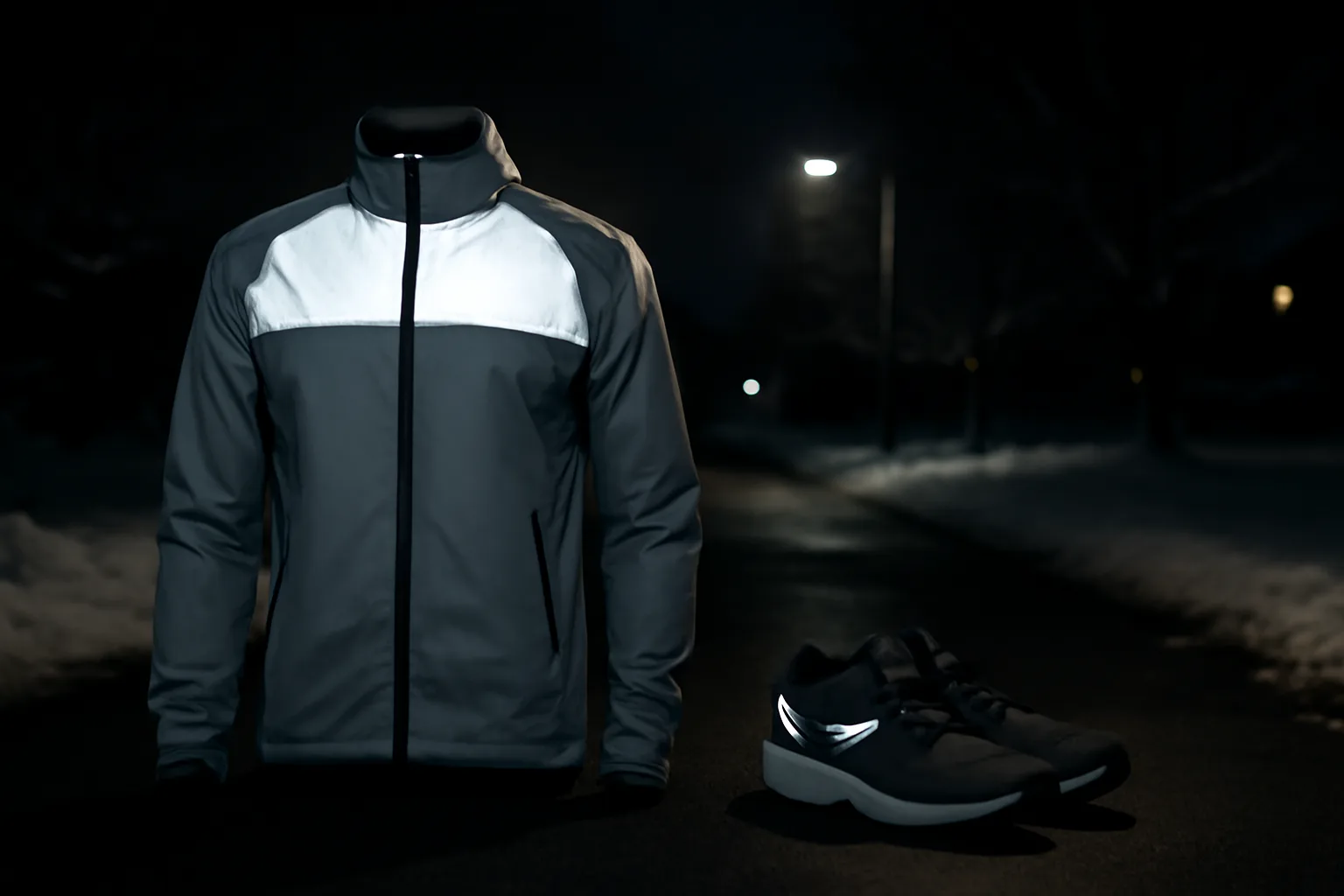
The Proviz uses reflective print across the front, arms, back and hood, with a reflective logo, a hood that stows into the collar, a lined collar and open rear ventilation.
Why it made the shortlist: It is included for runners whose normal routes involve dark roads and headlight exposure. The broad distribution of reflective material is more useful for that job than a small logo or narrow trim.
Compromise: Reflective material only returns light that reaches it and does not guarantee that a driver will see you. The available evidence does not give a waterproof rating, so choose it for conspicuity and light weather coverage rather than dependable rain protection.
5. Under Armour Rival Woven Windbreaker — Best everyday windbreaker

Best for: A simple full-zip layer for breezy training, warm-ups and changeable days. Key specification: Pack-it pocket; zip pockets; reflective details.
Under Armour lists a regular fit, full zip, pack-it pocket, zipped side pockets, a flexible construction and reflective details. The selected variant is black in size M.
Why it made the shortlist: It is the uncomplicated everyday windbreaker in the group: easy to throw on for breezy training, warm-ups and the walk to and from a session, with more secure storage than the simplest shells.
Compromise: The current evidence does not state a waterproof rating or sealed seams. It is also less minimal than the thinnest packable windbreakers, so it is not the first choice when every gram matters.
6. adidas Adi365 Running Essentials Jacket — Best simple running jacket
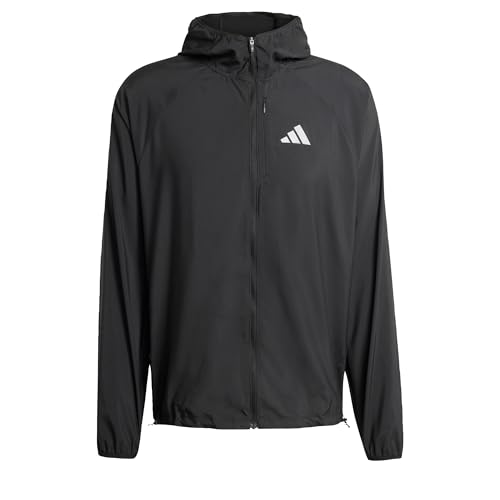
Best for: A familiar running cut for runners who want an uncomplicated outer layer. Key specification: Regular fit; full zip; recycled polyester fabric.
The adidas Adi365 Running Essentials Jacket has a regular fit, full front zip, regular length and a recycled-polyester main fabric. The selected variant is black in size L.
Why it made the shortlist: Its appeal is simplicity: a familiar running cut and full zip for runners who want a general outer layer without specialised race-shell features.
Compromise: The current product data does not state waterproof, water-resistant or windproof performance. Treat it as a general running jacket, and verify the selected size and colour before buying.
Waterproof vs Windproof: Which Do You Need?
Choose waterproof for persistent rain and exposed routes
A waterproof fabric can use a membrane or coating to resist water, but complete-garment performance also depends on seams, zips, hood design and openings. BALEAF specifies a laminated TPU membrane and a 5,000 mm figure for this jacket’s fabric. Neither the current API data nor the matched manufacturer page confirms taped or sealed seams, so that figure must not be read as proof that the complete jacket will resist prolonged rain.
For fell races and other events with kit rules, do not assume any jacket qualifies because its product title says waterproof. Read the organiser’s current requirements. The Fell Runners Association kit requirements explain why taped seams and a hood may be mandatory in some conditions.
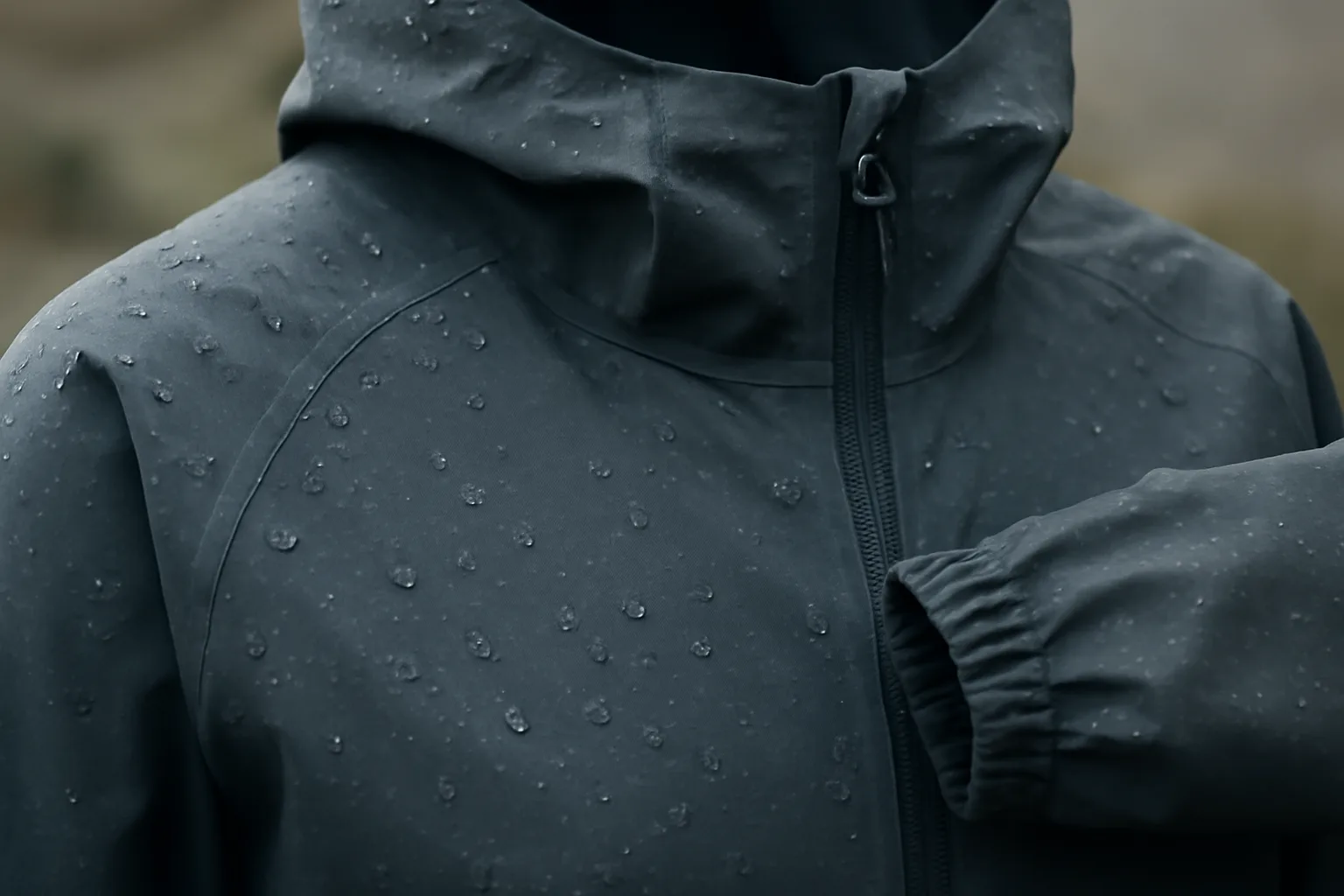
Choose windproof for cool, dry and changeable training
Windproof jackets block moving air and can make a cold start far more comfortable without trapping as much heat as a rain shell. They are particularly useful over a light base layer on breezy spring and autumn runs. The DANISH ENDURANCE, Ronhill, Under Armour and adidas options fit this broader training role, though their precise weather claims differ.
If the forecast is uncertain, check the Met Office UK warnings and route-specific forecast before leaving. A packable shell is useful insurance, but it does not replace route planning on exposed ground.
How to Choose a Running Jacket
Start with protection, not brand
- Sustained rain: look for a stated waterproof rating, protected seams, a stable hood and enough coverage at the rear.
- Showers and drizzle: a water-repellent running shell may be more comfortable, provided getting wet would not create a safety problem.
- Wind without rain: choose a light windbreaker with ventilation and a secure pocket.
- Dark roads: combine reflective details with bright colours, lights where appropriate and safer route choices.
Ventilation matters once you warm up
No shell can release unlimited heat and moisture. Rear vents, a full zip and a fit that allows air movement can make a bigger comfort difference than a small change in fabric specification. Runners who heat up quickly should be cautious about wearing a full waterproof for every winter run.
Check the variant behind the link
Running jackets are unusually sensitive to size, colour and model-year variation. Several links in this guide currently open on one men’s size. Use the product page’s size selector, compare its chart with a jacket you already own and leave room for the layers you intend to wear.
Do not overrate reflective trim
Reflective panels can return light from vehicle headlights, but they are not a force field. Our guide to running safely in the dark covers route choice, lighting and situational awareness. The Proviz is the strongest conspicuity-led jacket here, but runners still need to make sensible decisions.
Fit, Layering and Seasonal Use
Allow movement without excess flapping
A jacket should let you swing your arms, rotate your torso and reach forward without pulling across the shoulders. Too tight and it restricts movement over a winter layer; too loose and it flaps in headwinds. If you use a running vest, check that zips and pockets remain accessible beneath the straps.
The guides to cold-weather layering and winter running base layers explain what should sit underneath. In mild rain, a thin technical top plus shell is often enough. In cold conditions, add insulation carefully rather than relying on one heavy outer jacket.
Match the jacket to the season
- Winter: prioritise wind protection, adjustable cuffs and visibility, then layer for temperature.
- Spring and autumn: a packable windbreaker often gives the best balance of comfort and flexibility.
- Summer rain: use the lightest protection that keeps the route safe; overheating can be more uncomfortable than a brief shower.
- Trail and hills: choose around exposure and event rules, not the weather at the car park.
For a wider clothing system, see what to wear running in every UK season, our guide to choosing running clothing, and the comparison of running tights for winter and year-round use.
Final Verdict
The BALEAF Waterproof Jacket is the practical choice here for routine wet-weather road and park running, but its 5,000 mm fabric rating does not verify the waterproof performance of the complete garment and its seam construction is undocumented. The DANISH ENDURANCE Windbreaker is the better buy for dry, windy training and packs down with less fuss. Choose the Ronhill for water-repellent running-specific versatility, the Proviz for dark-road conspicuity, the Under Armour for everyday wind protection, or the adidas for a simple general running layer.
The central decision is waterproof versus windproof. Buy for the conditions that would make you cancel or shorten a run, and do not pay for heavy weather protection you will avoid wearing because it runs too warm.
Frequently Asked Questions
What is the best running jacket for UK weather? The BALEAF Waterproof Jacket is our best overall pick for routine wet-weather running. A lighter windbreaker is usually more comfortable when the forecast is dry but breezy.
Is a water-resistant jacket waterproof? No. Water-resistant or water-repellent fabrics can handle light moisture, but they should not be assumed to resist prolonged rain or meet race kit rules.
Do I need a waterproof jacket for road running? Not for every run. It is useful for persistent rain and cold, exposed routes; a breathable windproof layer may suit ordinary cool-weather training better.
How should a running jacket fit? It should allow a full arm swing and fit over your intended layers without billowing. Check the exact size and colour selected on the retailer page.
Are reflective running jackets enough for night running? No. Reflective details help when illuminated, but route choice, lighting, attention and bright clothing still matter.
Can I wear a running vest over a jacket? Yes, provided the jacket fits comfortably and the vest does not prevent ventilation or access to essential pockets.